Get Expert Advice - Free Today

Fun Facts about Hair and Natural Hair Care

Our hair has to endure pollution, dust, and heat. It is important to take care of the hair to prevent hair loss and help in hair growth.

Natural hair care is the best type of hair care, as natural ingredients cause minimum damage to the hair.

In this article, we will be discussing a few fun facts about hair, and tips about hair care for different hair types. 

Fun Facts about Hair

Here are a few fun facts about hair that we may be unaware of:

-Warm climate is more favorable for hair growth and the prevention of hair loss, than a cold climate.

-A wet hair strand can be stretched up to 30% of its original length.

-The human hair is mainly made up of keratin, which is the same protein found in the human skin and fingernails.

-Black is the most common hair color and red is the least common hair color seen.

-The hair seen by us is dead. The only part of the hair that is alive is inside the scalp.

-One strand of hair can support about 100 grams of weight. 

-The bone marrow is the fastest-growing tissue in the body, and hair is the second-fastest-growing tissue in the body.

-A single strand of hair can be used as forensic evidence in several investigations. Forensic experts can easily find out the kind of environment one lived in, what he/she ate, or drank by using a single strand of hair.

-Haircuts do not help in the process of hair growth. However, split ends can affect hair growth and it is better to cut the split ends off.

-Water and heat can change the hydrogen bonds of hair leading to a change in the shape of the hair. This is why hair tends to become frizzy in humid conditions when there is a presence of water in the air, and becomes flat after taking a shower.

What is Natural Hair Care?

Natural hair care means the use of hair care products (shampoos and hair oils) containing natural ingredients to take care of hair. These natural ingredients are usually extracted from natural resources like plants. 

Natural Hair Care for different types of hair

There are different types of natural hair products for different types of hair available in the market. 

The following are a few natural hair care tips:

-Use of organic or mild shampoo

The harsh chemicals present in shampoo can damage the hair. These chemicals tend to make the roots of the hair weak and are also associated with scalp related problems.

One should therefore opt for an organic or mild shampoo, that is free of such harsh chemicals. There are several organic shampoos available in the market which are paraben, sulfate, and BPA free. One can start seeing the improvement in hair quality by the use of organic shampoos. Organic shampoos provide better shine, moisture, and softness to the hair.

-Maintain the Natural Luster of hair

Regular styling of hair leads to dull and dry hair, and regular straightening of hair can lead to damage to the hair follicles causing hair thinning and hair loss. One can instead use certain natural hair care products for hair straightening. Some of the natural ingredients that can help in straightening of hair include

 -Aloe Vera

-Apple Cider Vinegar

-Honey and Milk

-Banana, Olive oil, and Curd

-Papaya and Banana mask

-Egg and Rice flour mask

-Coconut milk and lemon juice

-Milk spray

-Hot oil treatment

-Olive oil and eggs

-Avoiding damage due to heat

Various forms of hairstyling procedures involve the use of heat and/or various harsh chemicals that can damage the hair. Some of the methods that can be used to prevent heat damage to the hair include:

-Avoid the use of a blow dryer. A blow dryer is known to cause maximum damage to hair. Air-dry your hair as much as possible. If you have a time constraint, blow dry your hair only after using a heat protectant. A heat protectant prevents excessive heat exposure to the hair, preventing damage to the hair.

-Use a heat protectant before any form of heat styling.

-Use a comb to evenly spread the heat protectant in the hair.

-Avoid the use of metal combs during a heat styling procedure.

-Use heat styling irons only on dry hair.

Conclusion

Hair loss is a common cause of concern for many. With the use of natural hair care products, one can prevent hair loss and help in hair regrowth. In the case of old age, these natural hair care products help in the delay of hair loss.

Choosing Between Breast Lift and Implants

A woman may not be happy with the size, shape, tightness, and/or firmness of her breast, or may have sagging breasts and may therefore opt to undergo a cosmetic breast surgery such as a breast lift, breast implants, or both.

The breast lift procedure is also known as mastopexy, whereas the breast implants procedure is also known as breast augmentation. These are both elective cosmetic procedures that change the appearance, position, and size of the breast.

Breasts that have started to droop or sag, and have lost their firmness may require a breast lift procedure to reshape the breasts.

Breast augmentation includes the insertion of breast implants above or below the chest muscle, thus giving more shape and volume to the breasts.

Both breast lifts and breast implants when performed separately, or together help in the enhancement of the size and appearance of the breasts.

The breast implant and breast lift surgeries may sometimes be performed together. However, depending on your case, your surgeon may also opt for two separate surgeries with some time in between for the healing process. 

The surgeon will explain all these things to you in the first visit itself during the consultation. In this article, we will be covering breast lift or breast implants, what works best for you, and what to expect during each procedure.

Do I need a Breast Lift?

A breast lift may be the solution to drooping or sagging breasts and restoring the shape of the breast. A breast lift is the only solution to reshape and reform the breasts and remove the extra skin from the breast.

A breast lift procedure may be opted by women having sagging breasts, or by women who want to reshape their breasts post-pregnancy and breastfeeding.

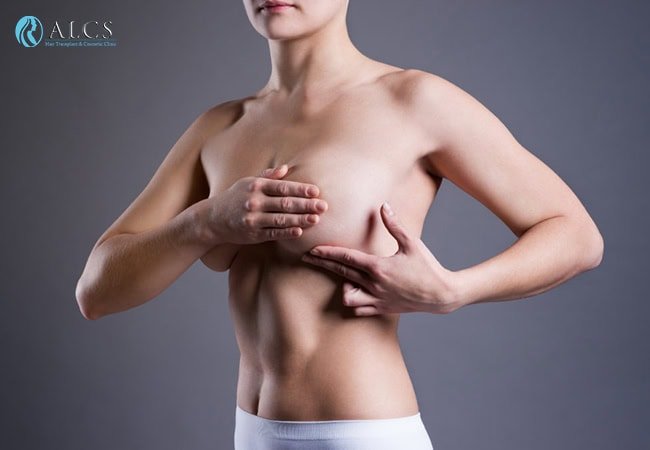
A simple home detection test to determine whether or not you require a breast lift is by checking the position of the nipple in relation to the breast fold. If the position of the nipple is below the fold, a breast lift procedure is your best bet.

A breast lift procedure will make the appearance of your breast similar to its appearance when supported by a bra. 

A breast lift will not increase the size of the breast, it will only reposition the breast tissue.

Do I need Breast Implants?

The breast augmentation procedure involves the placement of a saline or silicone implant into the breast, thus enhancing the volume of the breast and improving the shape of the breast. The results of this procedure generally last for many years.

Breast implants have become one of the most popular cosmetic procedures in recent times.

The breast implant surgery may be right for you if you are suffering from an asymmetry of breasts, if you are not happy with the size of your breast and want to increase it, or you have lost a substantial amount of breast volume due to weight loss or pregnancy.

Although a popular choice for many patients, breast implants are not for everyone. Breast implants will increase the size of your breasts, but will not correct the sagging of breasts.

Do I need a breast lift or breast implants, or both?

The breast lift and breast implant procedures when performed together can reduce the overall cost of your treatment, reduce the recovery time after the treatment, and has the added advantage of undergoing a surgical procedure only once.

But, not all patients can undergo both these procedures together. Your surgeon will determine if you are the right candidate to undergo both these procedures together.

Generally, a breast lift and breast implant procedure are combined when:

-If one wants to correct the sagging of the breasts and also increase the size of the breasts.

-One is suffering from sagging and asymmetry of the breasts.

Undergoing the best breast enhancement procedures

If you are unhappy with the shape, size, and overall look of your breasts, or are suffering from sagging breasts a visit to the ALCS clinic, Jaipur will change your life forever.

We offer the best breast implant and breast lift surgeries at an affordable cost. Our cosmetic surgeon, Dr. Sunil Arora is highly experienced and one of the best in the field of cosmetic surgery.

Our well-trained staff ensures you a comfortable and pain-free experience. We are equipped with the latest technology to offer you world-class breast lift and breast implant procedures.

If you are looking to undergo a breast lift and/or breast implant surgery, book your appointment with ALCS clinic, Jaipur today.

5 Treatments for Hair Regrowth Find Out The Best One

The problem of hair loss has been at the disposal of men and women since time immemorial. In the early days, natural ingredients were used to resolve such conditions, but, as humans evolved, people began to discover better and more efficient ways to fight this dreading issue. Now, in the present state of modernization, there are multiple ways that can help to reduce and fight hair loss. Finally, today treating hair loss isn’t as big an issue as it used to be back in the time.

Treatments for Hair Regrowth

Following mentioned are the few techniques to regrow hair:

  • Maintaining a balanced diet
  • Prescription and OTC medicine
  • Oiling
  • Laser treatment
  • Hair transplant
  1. How does balanced diet help?

A balanced diet helps in maintaining hair health so ensure that your diet must contain fresh fruits and vegetables that comprise proteins, vitamins and minerals. These elements are essential for proper hair growth. It is also equally necessary to keep the body hydrated is by drinking loads of water to prevent the scalp and hair from drying out. Iron-rich food items like beans, leafy green veggies, lean beef, grain-rich and omega-3 fatty-acid rich food items like fish, flaxseed, egg yolks must also be added to your diet. 

  1. Does medication work?

In case you find out that none of the hair loss treatments is working then medications might end up producing a positive impact on your hair. There are numerous over the counter drugs that are available for hair growth, but it is always desired to consult with an expert before using these medications. There are two most popular FDA approved drugs that are available for hair loss treatment, namely, Minoxidil or Rogaine and Finasteride. The former is an over the counter drug available in liquid form, but the later is a medicine that needs to be taken daily.

  1. How does oiling help?

There are times when we start neglecting our hair and experience hair loss. Now, this might happen due to the presence of harsh chemicals present in the hair care products, adverse effects of pollution, use of excessive heat to the hair may all end up damaging the hair adversely. It is incredibly essential to massage the scalp and hair with some essential oils like Peppermint oil, Rosemary oil, Coconut oil, Castor oil, olive oil and even Almond oil. All of these ultimately can help to restore the damaged tresses and stimulate the hair regrowth.

  1. Is laser treatment effective?

Laser treatment is one of the most common hair removal methods. Recently it has also become beneficial as a hair restoration procedure. Numerous researches are being conducted about utilizing low-level laser therapy to treat hair loss. However, there is still no substantial evidence to support the claim that Low Laser Therapy can stop hair loss, but scientists and researcher are very optimistic about this.

  1. How does Hair Transplant work?

Hair Transplant is one of the most common hair restoration procedures. This involves two most common techniques- Follicular Unit Transplant (FUT) and Follicular Unit Extraction (FUE).

  • Follicular Unit Transplant (FUT)– This is a traditional method of hair transplant that is a comparatively traditional method where a strip of skin is removed from the back of the scalp. Hair follicles are extracted from this skin and then grafted into units to the bald spots. But this procedure usually leaves behind a linear scar.
  • Follicular Unit Extract (FUE)- This is one of the most advanced methods where individual hair follicles are extracted from the scalp and then directly implanted to the balding areas. As a result of obtaining the hair follicles, this procedure usually leaves behind several tiny puncture marks on the scalp.

The final result will be visible after 9 to 12 months after undergoing the procedure. However, this is a surgical procedure and may include some minor complication. But these can be easily be avoided by sticking to the post-op instructions that are provided by the surgeon.  

In case you are enduring severe hair loss and want to get rid of the situation, then it is necessary to consult with an experienced surgeon who can lead you in the right way. You can contact one such surgeon, then do not hesitate to contact Dr Sunil Arora, who holds several years of experience in this field.

हेयर ट्रांसप्लांट क्या होता है?

आप यह जानने के लिए बेहद उत्सुक होंगे कि हेयर ट्रांसप्लांट क्या होता है या फिर हेयर ट्रांसप्लांट कैसे किया जाता है। हेयर ट्रांसप्लांट एक ऐसी प्रक्रिया होती है जिसमें प्लास्टिक सर्जन या फिर त्वचा विशेषज्ञ सर्जन सिर के गंजेपन के हिस्से पर बाल लगाते हैं। सर्जन आमतौर पर सिर के पीछे या फिर किनारे से बाल लेते हैं और उन्हें उस जगह पर लगाते हैं जहां पर बाल नहीं होते हैं।

हेयर ट्रांसप्लांट आमतौर पर एनेस्थीसिया के तहत क्लिनिक या फिर अस्पताल में किया जाता है। गंजेपन के सामान्य पैटर्न बालों के झड़ने के लिए सामान्य तौर ज़िम्मेदार होता है। यह आनुवंशिक कारणों से भी होता है। इसके अलावा, गंजापन अन्य कई कारणों से भी हो सकता है, जिनमें शामिल हैं-

•असंतुलित आहार 

•तनाव

•बीमारी

•हार्मोनल असंतुलन

•दवाएँ

क्या हेयर ट्रांसप्लांट अलग-अलग प्रकार के होते हैं?

हेयर ट्रांसप्लांट में सामान्य तौर पर दो मुख्य तरीके शामिल होते हैं: स्लिट ग्राफ्ट और माइक्रोग्राफ्ट। 

स्लिट ग्राफ्ट में प्रति ग्राफ्ट 4-10 बाल होते हैं और इन्हें स्कैल्प में बने छोटे, स्लिट जैसे जगहों में ही रखा जाता है, जो कि घने बालों के घनत्व को प्राप्त करने के लिए पूरी तरह से जरूरी होते हैं। दूसरी तरफ देखा जाए तो माइक्रोग्राफ्ट में प्रति ग्राफ्ट 1 से 2 बाल होते हैं और इन्हें बेहद छोटे छोटे जगहों में रखा जाता है, जो कि प्राकृतिक सी दिखने वाली हेयरलाइन बनाने और साथ ही छोटे छोटे क्षेत्रों को भरने के लिए आदर्श माने जाते हैं। दोनों ही तकनीकों का उपयोग गंजेपन या फिर पतले क्षेत्रों में बालों को फिर से उगाने के लिए किया जाता है, जिसमें कि वांछित घनत्व और साथ ही उपचार किए जा रहे क्षेत्र पर भी यह बहुत अधिक निर्भर करता है। दोनों ही विधियाँ सुनिश्चित करती हैं कि प्रत्यारोपित बाल समय के साथ स्वाभाविक रूप से बढ़ते रहते हैं।

हेयर ट्रांसप्लांट का क्या लाभ हो सकता है? 

हेयर ट्रांसप्लांट करवाने से आपके बालों की उपस्थिति और साथ ही आत्मविश्वास में भी बहुत अधिक सुधार होता है। निम्नलिखित लोगों के लिए हेयर ट्रांसप्लांट बेहद आवश्यक है: पैटर्न हेयर फॉल वाले पुरुष तथा पतले बालों वाली महिलाएँ अगर किसी के बाल जलने या फिर सिर की चोट के कारण झड़ गए हैं, तो वे भी हेयर ट्रांसप्लांट बेहद आसानी से करवा सकते हैं। अच्छे शारीरिक स्वास्थ्य और युवा दिखने की तरह, हममें से अधिकांश लोग अपने बालों को बहुत गंभीरता से नहीं लेते हैं – यानी, जब तक कि वे झड़ने न लगें। कई लोगों में बालों का एक गुच्छा सा दिखाई देता है। अगर बाल बेहद पतले हैं, तो फिर हेयर ट्रांसप्लांट के ज़रिए भी इसका इलाज बेहद आसानी से किया जा सकता है।

पतले होते बाल या फिर गंजापन आपको वाकई बेहद अधिक परेशान कर सकता है, तो वहीं हेयर ट्रांसप्लांट आपके लुक को भी बहुत बेहतर बना सकता है और साथ ही आपको ज़्यादा कॉन्फ़िडेंस भी महसूस करा सकता है। लेकिन हेयर ट्रांसप्लांट से पहले अपने डॉक्टर से आप बात जरूर करें कि सर्जरी के दौरान या उसके बाद आपको और क्या क्या उम्मीद करनी चाहिए।

हेयर ट्रांसप्लांट के दौरान क्या होता है?

आप यह जानना चाहते होंगे कि हेयर ट्रांसप्लांट कैसे किया जाता है, तो फिर हम आपको यह बता दें कि इस दौरान आपके सिर को अच्छी तरह से साफ़ करने के बाद सर्जन एनेस्थीसिया लगाता है और साथ ही सिर के एक हिस्से को सुन्न करने के लिए एक छोटी सुई का भी इस्तेमाल करता है।

हेयर ट्रांसप्लांट के लिए फॉलिकल्स प्राप्त करने के लिए दो मुख्य तकनीकों का इस्तेमाल वर्तमान समय में किया जाता है: FUT और FUE

फॉलिक्युलर यूनिट ट्रांसप्लांटेशन (FUT):

सर्जन सिर के पीछे से त्वचा की एक पट्टी काटने के लिए स्केलपेल का सामान्य तौर पर इस्तेमाल करता है। पट्टी को लगाने के लिए किया जाने वाला चीरा आमतौर पर कई इंच लंबा होता है। फिर इस कट को सिलाई करके बंद कर दिया जाता है।

देखा जाए तो इसके बाद सर्जन लेंस और साथ ही सर्जिकल चाकू का इस्तेमाल करके सिर के हटाए गए हिस्से को छोटे-छोटे हिस्सों में पूरी तरह अलग कर देता है। जब जब बालों को प्रत्यारोपित किया जाता है, तो फिर यह विभिन्न क्षेत्रों से प्राकृतिक दिखने वाले बालों के विकास में भी बहुत अधिक मदद करता है।

फ़ॉलिक्युलर यूनिट एक्सट्रैक्शन (FUE)

देखा जाए तो इसमें सिर के पीछे से कई छोटे-छोटे पंच या फिर चीरों के ज़रिए बालों के रोम निकाले जाते हैं। सर्जन स्कैल्प के उस हिस्से में ब्लेड या फिर सुई से छोटे-छोटे छेद बनाता है, जहाँ हेयर ट्रांसप्लांट हो रहा होता है। वे बहुत ही सावधानी से इन छेदों में बाल डालते हैं।

इसी तरह देखा जाए तो सर्जन सैकड़ों या फिर हज़ारों बालों को ट्रांसप्लांट करते हैं। ट्रांसप्लांट के बाद कुछ दिनों तक सिर को ग्राफ्ट, गॉज या फिर पट्टियों से ढक दिया जाता है। हेयर ट्रांसप्लांट सेशन में चार घंटे या फिर उससे ज़्यादा समय भी लग सकता है। सर्जरी के लगभग 10 दिन बाद आपके टांके डॉक्टरों द्वारा हटा दिए जाएँगे।

हेयर ट्रांसप्लांट के बाद क्या होता है?

हेयर ट्रांसप्लांट कैसे होता है इस बात को जानने के बाद, आइए आपको बताते हैं कि हेयर ट्रांसप्लांट के बाद क्या क्या होता है। हेयर ट्रांसप्लांट के बाद आपको सिरदर्द भी हो सकता है और साथ ही हेयर ट्रांसप्लांट सर्जरी के बाद आपको कई दवाएँ लेने की ज़रूरत भी पड़ सकती है, जैसे कि:

दर्द निवारक दवाएँ

  • इन्फेक्शन के जोखिम को कम करने के लिए एंटीबायोटिक्स
  • सूजन को कम रखने के लिए दवाएँ

अधिकांश लोग सर्जरी के कई दिनों बाद सामान्य काम पर बेहद आसानी से लौट सकते हैं।

प्रत्यारोपित बालों का दो से तीन सप्ताह के बाद झड़ना बेहद सामान्य बात है। इसके बाद नए बाल उगने लगते हैं। कई लोगों को सर्जरी के 8 से 12 महीने बाद थोड़े-बहुत नए बाल उगते हुए दिखाई दे सकते हैं।

कई डॉक्टर बालों के विकास को तेज़ करने के लिए मिनोक्सिडिल (रोगेन) या फिर  बालों को बढ़ाने वाली दवा फिनास्टेराइड (प्रोपेसिया) लिख सकते हैं। ये दवाएँ भविष्य में बालों के झड़ने को धीमा करने या फिर रोकने में भी बहुत अधिक मदद करती हैं। हेयर ट्रांसप्लांट कैसे होता है, यह जानने के बाद साथ ही यह भी जान गए होंगे कि हेयर ट्रांसप्लांट के बाद क्या-क्या होता है?

लंबे समय तक इसका क्या नतीजा होता है?

आमतौर पर यह देखा जाता है कि जिन लोगों ने हेयर ट्रांसप्लांट करवाया है, उनमें ट्रांसप्लांट वाली जगह पर सामान्य तौर पर बाल उगने लगते हैं।

आपको बता दें कि नए बालों का कम या ज़्यादा घना होना कई अन्य चीज़ों पर भी निर्भर करता है जैसे –

  • सिर का ढीला होना या फिर सिर की त्वचा का ढीला होना।
  •  ट्रांसप्लांट एरिया में बालों का घनत्व बढ़ना या फिर कम होना
  • बालों की मजबूती या फिर गुणवत्ता
  • बालों का कर्ल होना

हेयर ट्रांसप्लांट से अपेक्षाएँ

आप सबसे पहले यह जान लें के इसके बाद आपको कई-कई दिनों तक दर्द निवारक दवाएँ लेने की ज़रूरत भी पड़ सकती है। सर्जन आपको सर्जरी के बाद कम से कम एक या फिर दो दिन तक अपने सिर पर पट्टियाँ बांधने के लिए जरुर कहेंगे। सर्जन कई दिनों तक नियमित तौर पर लेने के लिए एंटीबायोटिक भी लिख सकता है। ज़्यादातर लोग ऑपरेशन के 2 से 5 दिन बाद अपनी सामान्य दिनचर्या में बेहद आसानी से वापस आ जाते हैं।

सर्जरी के 2 से 3 हफ़्ते के अंदर प्रत्यारोपित बाल झड़ जाते हैं, लेकिन कुछ महीनों के अंदर नए बाल भी उगने लगते हैं। ज़्यादातर लोगों में 6 से 9 महीने के बाद नए बाल उगने लगते हैं। कुछ सर्जन ट्रांसप्लांट के बाद बालों की ग्रोथ बढ़ाने के लिए हेयर मिनोक्सिडिल (रोगेन) जैसी दवाएँ भी लिखते हैं, लेकिन इसका असर हर किसी पर अलग-अलग भी हो सकता है।

हेयर ट्रांसप्लांट के नतीजे कब दिखेंगे?

ज़्यादातर मरीज़ों को सर्जरी के छह से नौ महीने के बीच आसानी से नतीजे दिखने लगते हैं। कुछ मरीज़ों को इन सब प्रक्रियाओं को पूरा करने में 12 महीने लगते हैं। यह जानना बेहद जरूरी है कि सर्जरी के दो से आठ हफ़्ते के बीच प्रत्यारोपित बाल अपने आप झड़ जाएँगे।  यह एक बेहद सामान्य सी बात है। तीसरे महीने तक बाल हेयर ट्रांसप्लांट से पहले की तुलना में पतले दिखाई दे सकते हैं।

हेयर ट्रांसप्लांट कैसे किया जाता है, यह जानने के बाद, हेयर ट्रांसप्लांट के बारे में कुछ बातें जानने के अलावा निम्नलिखित बातें जानना भी बेहद जरूरी है:

1) ट्रांसप्लांट किए गए बाल प्राकृतिक बालों की तरह ही होते हैं और साथ ही ट्रांसप्लांट के दो से चार सप्ताह के बीच अपने आप झड़ जाते हैं। इसके बाद, बालों का विकास स्वाभाविक रूप से होने लगता है।

2) एनेस्थीसिया का इस्तेमाल करने से ट्रांसप्लांट के दौरान दर्द भीनहीं होता है और मरीज उसी दिन घर बेहद आसानी से जा सकता है।

3) हेयर ट्रांसप्लांट गैर-सर्जिकल हेयर रीस्टोरेशन से इस मायने बहुत अधिक अलग है कि इसमें स्कैल्प पर पहले से चुना हुआ बेस लगाया जाता है।

4) हेयर ट्रांसप्लांट का मतलब यह बिल्कुल भी नहीं है कि आपके बाल पूरी तरह से ठीक हो जाएंगे क्योंकि इसका असर हर व्यक्ति पर अलग-अलग हो सकता है।

5) हेयर ट्रांसप्लांट गंजेपन के हर मामले का समाधान नहीं होता है। यह पूरी तरह से केस-टू-केस पर निर्भर करता है। हरेक व्यक्ति पर यह अलग अलग प्रभाव डालता है।

हेयर ट्रांसप्लांट की लागत

आपके गंजेपन का स स्टेज हेयर ट्रांसप्लांट की लागत तय करने में बेहद महत्वपूर्ण भूमिका निभाता है। आप कितने गंजे हैं, इसका सीधा असर ट्रांसप्लांट के लिए इस्तेमाल की जाने वाली सर्जिकल प्रक्रिया, आवश्यक ग्राफ्ट की संख्या और साथ ही यह आपके बालों को बहाल करने के लिए भी आवश्यक उपचारों की संख्या पर भी प्रभाव सकतौ है। और साथ ही ये सभी चीजें इस बात को भी प्रभावित करती हैं कि हेयर ट्रांसप्लांट डॉक्टर कितना शुल्क लेते हैं ?

स्टेज 3A गंजापन (एक छोटे से क्षेत्र) के लिए 1400-1800 हेयर ट्रांसप्लांट की आवश्यकता हो सकती है, जिसकी कीमत आमतौर पर 42,000 रुपये से 54,000 रुपये के बीच होती है।

स्टेज-7 गंजापन (बड़े गंजे पैच) के लिए 2500 से 3200 हेयर ट्रांसप्लांट की जरूरत होती है और इसकी लागत लेबल 75,000 रुपये से 96,000 रुपये तक होती है।

Medication or Treatments. What is Helpful for Women With Thinning Hair?

Hair loss is not an uncommon issue. Men & women have always been a victim of this condition and might even end up being bald which is still less socially acceptable. This, as a result, not only affects their emotional well-being but also impacts their quality of life. They end up trying out anything and everything, right from medications to treatments to get back their hair. But the question is which one is a more effective way out of hair loss- medication or therapy?

In this article, we will be discussing whether medication or hair loss treatment is more helpful in treating hair loss issues. But before moving into that, first, we need to know the exact causes that trigger excessive hair loss.

Causes of Hair loss

Hair loss can occur for several reasons like mentioned below-

Genetics

One of the most common causes of hair loss is heredity. Some people might have a condition like Androgenic Alopecia in their family, so there are chances that their offspring may also suffer from the same condition over time.

Hormonal Imbalance

The second most common cause of hair loss is hormonal imbalance, and this mostly occurs to females. During pregnancy and childbirth, women endure a rollercoaster ride regarding hormones, and this ultimately leads to extreme hair fall.

Side effects of medications 

Some medications like the ones used for cancer, arthritis, heart diseases, gout, blood pressure and even depression may also lead to excessive hair loss.

Stress and Depression

Stress and depression can create a significant impact on hair growth, and they may finally end up losing a massive chunk of hair.

Hairstyle

This mostly occurs for women who often change their hairstyles into something very tight like a ponytail or cornrows. Such hairstyles mainly trigger traction alopecia which can be easily avoided.

Medication or hair loss treatment: which one?

Following are some of the most effective and commonly used hair loss medication and treatment-

Minoxidil (Rogaine)

Minoxidil or Rogaine is considered as one of the most successful drugs, used to treat hair loss and hair thinning conditions. Minoxidil initially originated as a drug to treat high blood pressure, but it ended up showing excellent results for hair growth. So the researchers confirmed that this particular medicine could be applied on the scalp to stimulate hair growth. The only downside of using this medication is this medicine works as long as it is used. So anyone who wants a sustained result will have to use it daily.

Iron Supplements

Sometimes, hair loss occurs as a result of iron deficiency in women and under such circumstances, the best treatment is to take iron supplements as prescribed by the doctor. Iron deficiency is quite a natural thing for most of the women mainly because they experience heavy bleeding during menstruation. However, iron supplements may not turn out to be super useful always, and it will only work when hair fall is due to iron deficiency.

PRP Treatment

PRP or Platelet Rich Plasma has turned out to be a robust hair loss treatment procedure. In this method, the patient’s blood is used to prepare the plasma content from it, and then this is injected to the balding areas. This treatment has a high success rate as it stimulates hair re-growth in women, especially after pregnancy and stress. But people generally need to undergo more than one session to obtain the desired result.

Hair Transplant

Well, last, but the crucial hair treatment that can help to restore hair naturally is Hair Transplant. However, the success rate of this procedure may highly vary from person to person. But in general, it provides the most desired natural result. Two most common hair transplant techniques that are mostly performed are Follicular Unit Transplant and Follicular Unit Extraction. In these procedures, either individual hair follicles or a skin strip containing numerous hair follicles are extracted from the side or back of the scalp. Then these extracted hair follicles are very carefully implanted on the recipient or the balding areas. 

Since this is a surgical procedure, there are chances that it might include some significant side effects. Hence, it is incredibly essential to consult with an expert hair surgeon before undergoing any of the above-mentioned hair loss treatment procedures. Only an experienced surgeon like Dr Sunil Arora from ALCS Jaipur will be able to provide their patients with the best information related to these treatments.

Five Natural Remedies For Hair Loss

Hair Loss is a genuine problem that everyone experiences at some point in time. The perfect solution for hair loss has not yet been known even though the market is flooded with numerous products that claim to be very beneficial to resolve hair loss. So in this article, we will be discussing the five best natural remedies for hair loss that can prove out to be extremely beneficial for your hair.

Some common factors that trigger hair loss

It is believed that if you lose 80 to 100 hair strands a day, then you are experiencing an average or normal hair fall. But if you are experiencing a hair fall that is more than that, and your hair is refusing to grow back, then it is a severe problem that needs to be resolved.

So, the following mentioned are some of the most common factors that might be responsible for your hair loss:

  • Genetics- Genetics is one of the most common causes of hair fall that you cannot improve. If either of your parents experiences extreme hair fall, then there are chances that you will experience that too.
  • Hormonal Imbalance- Our hormones affect our hair growth drastically, and some of the most significant indicators include menopause, hypo or hyperthyroid, pregnancy and even some birth control pills.
  • Stress– Due to the constant rat race that we try to keep up, most of the people always end up suffering from continuous pressure. Now stress can create a significant impact on your hair, and that may start falling off.
  • Medications– Certain medications like blood thinners, anti-depressants may give rise to some side effects like excessive hair loss.
  • Nutritional deficiency- People suffering from iron, protein or vitamin deficiency are most likely to lose excessive hair.
  • Immunity- Hair loss can also appear as an early symptom of some auto-immune diseases.

Natural remedies for hair loss

Before the market was flooded with all the readymade products to lessen hair fall, some natural remedies proved out to be very helpful for reducing hair fall naturally. Thousands of years of research gave rise to five natural resources for hair loss. Out of all the most popular hair loss remedies, the following mentioned are some of the most effective natural solutions for hair loss-

  • Liquorice– Liquorice can efficiently help to soothe out an irritated scalp and also ease severe scalp conditions like dandruff. It can also help to open up clogged pores and strengthen the hair follicles. There are plenty of products that contain liquorice-like shampoos and even ointments, but it can also be prepared at home. If a small amount of Liquorice root is mixed with milk and applied on the scalp for 2 to 3 times a week, then it can dramatically help to reduce hair fall.
  • Coconut Oil- This is an age-old natural remedy that has always proved itself as the best solution for hair loss. Coconut oil is rich in Lauric acid and antioxidant that helps in binding the protein content in the hair, protects the hair roots and prevents it from breakage. The antioxidant content in it supports healthy hair growth.
  • Aloe Vera– Aloe vera is beneficial for skin and also shows excellent effect against hair fall by soothing out the scalp and removing the sebum that might obstruct the growth of the hair follicles. 
  • Fish Oil– Fish oil is exceptionally high in healthy fats like Omega-3, which is also considered to have some exceptional anti-inflammatory properties. Additionally, it can also boost up the hair growth by opening up the follicles.
  • Ginseng- Another prevalent herbal remedy is Ginseng that is quite popular for its potency across several conditions as it can noticeably strengthen the hair follicles. Due to the presence of saponins, it can inhibit the 5a reductase, which is one of the prominent reasons for hair loss in men.

Even though natural hair fall remedies can prove out to be very beneficial, but it is always recommended to consult with an expert. It is only a professional and experienced cosmetic surgeon who can help to diagnose the precise cause and provide appropriate treatment. If you want to reach out to such an expert near Jaipur, then ALCS clinic can be the best option where Dr Sunil Arora offers the best guidance regarding hair loss.

Everything You Will Ever Need To Know About Smartlipo

In this era, where looks and aesthetics define who you are, more and more people are resorting to body contouring procedures like liposuction to achieve the body shape they desire and idealize. Even though traditional tumescent liposuction was one of the most opted cosmetic procedures, the added benefits that advanced liposuction technique like Smartlipo offers attracts more people. So if you are determined to go through a body sculpting session to reach your aesthetic goals and aspirations, you must go through the breakdown of what to expect from Smartlipo.

What can you expect before Smartlipo?

Before you proceed with any decisions regarding Smartlipo, first discuss with an expert who can provide you with the proper suggestions and answer all your queries regarding this issue. If you have not yet found out any such experienced surgeon. You can contact Dr Sunil Arora from ALCS, who is an extraordinarily talented and experienced cosmetic surgeon and holds numerous years of experience.

You must discuss all your goals and listen to the options the cosmetic surgeon offers. Smartlipo is the combination of traditional tumescent liposuction and laser energy for melting fats before they are sucked out while stimulating the production of collagen to provide a tight and toned skin.

It is for such exclusive features that Smartlipo is an excellent option for treating fat deposits in particular areas like the back, thighs, enlarged male breasts, lower abdomen fat, etc. Smartlipo can also help with minor laxity concerns among men and women after they have gone through a liposuction procedure, all thanks to its quality of stimulating collagen production. It is only your cosmetic surgeon who will guide you well through the following points thoroughly to get you ready for the procedure:

  • To reach as close as possible to your ideal body weight
  • Stop smoking several weeks before the process begins
  • Resort to healthy eating habits
  • If you are under any medication and drugs, do discuss it in detail with your surgeon.

The SmartLipo procedure

Before beginning this procedure, the cosmetic surgeon first administers either local or general anaesthesia to ensure a pain and discomfort free procedure. Following this, small incisions are then made on the target area where the operation is to be performed. The incisions should be big enough for the surgeon to be able to insert his lipolysis laser and a small suctioning tube. The function of the laser is to loosen the targeted fat cells so that they can be sucked and removed easily. Both the loosening of the fat cells and the suction can be done through the same incision.

Depending on the extent of the treatment area, a typical Smartlipo session can take anywhere from 45 minutes to 1 hour.

Post-operation expectations

The greatest advantage of having a Smartlipo is that it takes a considerably less amount of healing time as compared to traditional liposuction. That being said, each person heals differently at their own time. However, in most cases, it doesn’t take more than a week to get to your normal routine. 

It would help if you were lenient with yourself enough during your healing period as your body recovers. There are a few immediate side effects like swelling, bruising and minor discomfort. However, they are temporary and will go away very soon only if you stick to a healthy diet, and keep your body hydrated by drinking lots of water. The cosmetic surgeon may ask you to wear a unique compression garment for a few weeks post-operation to help alleviate these symptoms.

Most people feel comfortable enough to return to work within 2-4 days after the operation. The recovery time depends on the amount of fat that has been removed from the body during the procedure.

While you are recovering and healing, make sure to follow your doctor’s advice word by the word and stick to the recovery guidelines that have been laid for you. This will minimize the risk of any further complications and will deliver you your desired results in a shorter period. When you have healed completely and not have gained any additional weight, you will be able to notice gradual improvements to the contours of your body. However, the final results may take up to several months to appear. But you must maintain a healthy lifestyle to keep enjoying the result obtained.

Hair Transplantation – What are Your Options?

The reason hair transplantation procedure has seen a great deal of popularity is the increasing worries of hair loss irrespective of gender and age. To begin with the discussion over this topic, first, we need to know what is hair transplant. 

It is a medical procedure in which the genetically resistant hair follicles (usually from the back of the head) to balding are removed from one part of the body with dense growth and then grafted by surgical means on the balding regions. The area of extraction is called the ‘donor site’ and the area receiving the transplant is called the ‘recipient site’. 

Initially, this procedure was a stereotype remedy for treating male pattern baldness, but now, it has a broader range of aspects like eyelashes, eyebrows, beard, chest hair etc. It is often used for covering up scars as well. Hence it can easily be said that this is not only chosen by people suffering from balding but also by people who have specific cosmetic and aesthetic needs to be fulfilled. With demands coming from such vast and diverse fields, the number of hair transplant clinics has seen enormous growth. 

Pre-op guidelines

Hair transplant is mostly performed on an outpatient basis. Since it is a surgical procedure, local anaesthesia is preferred for the patient, but before any other step, the scalp is first shampooed and then treated with some antibacterial agent. 

Now, the advancement of technology has brought up several methods for harvesting hair follicles, each with their own set of pros and cons. But, the two most widely used procedures are FUE (Follicular Unit Extraction) and FUT (Follicular Unit Transplantation) that has proved to be the most effective and efficient hair restoration procedure.

Follicular Unit Extraction (FUE)

In this process, hair follicle units are extracted individually from the patient’s donor site. Circular incisions are made at the back or the sides of the head to remove individual follicle units containing 1-4 hairs per unit. However, this is a time-consuming procedure and is pretty expensive. Follicular Unit Extraction can also be used to extract body hair and plant them on the scalp.

This is known to have the least postoperative discomfort as it heals fast. Also, the risk of long term nerve damage or chronic numbness is reduced significantly in this procedure as compared to FUT.

Follicular Unit Transplantation (FUT) 

FUT is often referred to as strip harvesting procedure, as it involves removing a strip of scalp skin from the donor site which should not be not more than 1-1.5 cm in length and 0.4-0.5 inches in width. Once the hair follicles are plucked from the strip, they are re-inserted into your scalp. The size of the piece usually depends upon the total number of required follicles to cover up the balding area. It can be done a lot faster than FUE. Thousands of grafts can be successfully performed in one session, which lasts 5-8 hours. If done right, the result of this process perfectly mimics the natural growth of your hair, and one cannot easily detect it as a transplant.

Who can opt for hair transplantation?

Generally speaking, there are three leading causes in which one can go for hair transplant surgery:

  • Men suffering from pattern-baldness
  • Women suffering from thinning of hair
  • People who have specific cosmetic needs to be fulfilled and also want to cover up scars from injuries.

Postoperative scenarios

The surgery may have caused a great deal of trauma to your scalp for which your scalp may feel sore. In such cases, the doctor might prescribe certain medications like:

  • Painkiller
  • Anti-biotic pills
  • Anti-inflammatory pills

There can also be a few side effects along with the soreness. But, this is normal and usually clear up within two weeks. You may notice the following:

  • Bleeding from the donor site
  • Inflammation of the skin or hair follicles
  • Itching sensation on the donor and recipient sites (which you absolutely shouldn’t touch, no matter what!) 
  • Scalp numbness
  • Crust and scab formation
  • Shock loss of hair
  • Unnatural looking clusters of hair

Always remember, however comfortable and cost-effective it may sound, consulting an expert like Dr Sunil Arora from ALCS, Jaipur who

How to Sleep After a Breast Augmentation or Mommy Makeover

Choosing to undergo a Breast Augmentation or a mommy makeover procedure is one of the most significant decisions that anyone can even take. Well, both the Breast Augmentation and Mommy Makeover procedures are surgical processes that must be undergone form an experienced cosmetic surgeon who holds several years of experience in this field. In case you stay in Jaipur and want to get in touch with one such experienced cosmetic surgeon, then Dr Sunil Arora from ALCS clinic in Jaipur can be the ideal one. He is one of the best and the most experienced cosmetic surgeons who holds several years of experience in this field and has been able to improve many people’s lives. But before diving into these procedures, it is essential to get explicit knowledge about these two cosmetic procedures. 

What is a Breast Augmentation procedure? 

Breast Augmentation is such a surgical method that involves enhancing the shape and size of the breast by inserting a silicone, saline or any other composite breast implant underneath the chest muscle or the breast tissue. Typically the implants last for about 7 to 12 years on average, and that needs to be replaced after that. But before undergoing surgery, the patients are asked to choose their desired size of the implant.

What is a Mummy Makeover procedure?

A mummy makeover is also a surgical procedure that most women undergo after being pregnant. This procedure involves removing all the excess skin and fat from the abdominal areas and then tightening the muscles. It is only a cosmetic surgeon who can suggest the best method for your health.

However, since both of these are surgical procedures, it includes some complications and side effects. Even though these cover a brief recovery period, it becomes extremely beneficial to follow instructions that are provided by the surgeon. So when it comes to recovery, it is incredibly essential for the patients to get plenty of sleep. But unfortunately, with swelling, new implants and the tight compression garment sleeping turns out to be an extremely challenging task. At the same time, the right amount of sleep is essential for the body to heal itself properly.

Following mentioned are some of the best ways that might help you to get better sleep after undergoing such procedures.

Sleep in a recliner at first

After experiencing a mummy makeover or a breast augmentation procedure, the patients need to sleep with the upper half of the body elevated. They must make sure that the upper part of the body is kept elevated while sleeping as that reduces swelling and fluid accumulation to the treated area for the first couple of weeks. Additionally, sleeping in this position will also make it much easier to move the body from reclining to standing position, minimizing the strain that is produced on the upper body muscles and abdomen.

Sleep on the back

Also, after using the recliner, patients can also start practising to sleep on their back as that is hugely beneficial for recovery after surgery. It prevents the excessive pressure created on the chest and abdomen. Some patients may even find it helpful to sleep with pillows under each of their arms to restrict their movement like tossing or turning over or rolling over their stomach.

Wearing supportive garments while sleeping

Wearing a compression garment overnight is exceptionally beneficial to reduce swelling, ease out the pressure created on the incisions and also to protect the treated areas to ensure a smooth and even result. The patients must keep wearing these compression garments until their surgeon instructs them to do so.

Avoid having sleep inhibitors

Certain drinks like caffeine, alcohol, sugar, can mostly create an impact on patients’ sleeping schedule. Such food habits can noticeably keep them away from sleep, and they must start having nutritious foods instead and keep their body hydrated.

Make sufficient body movements

Even though it is essential to take plenty of rest, it is also necessary to make some body movements. Well, that does not include heavy or strenuous activities, but mild physical movements like walking. This highly reduces the chances of formation of a blood clot and also makes your body tie so that you can fall asleep more easily.

What Causes Swelling After Hair Transplantation?

Hair transplantation is a cosmetic surgery done to improve your aesthetics. However, you receive the best outcomes by undergoing surgery under an experienced hand. Therefore, choosing an experienced surgeon for your aesthetic improvements is vital. In addition to making you aesthetically pleasing, hair surgeries also help tackle hair loss caused by trauma. However, it is crucial to understand that, like every surgical procedure, a hair transplant also carries a few risks.

After undergoing hair transplantation, you may notice pain and swelling in your eyes, forehead, and scalp. Many reasons may cause it, but you will see an improvement in your condition in a few days. However, it is exceptionally usual to experience swelling after a hair transplant.

Swelling may occur immediately after the transplant. Moreover, it may occur at different places on your scalp. However, you may control this common side effect by adopting the precautions suggested by the experts.

Reasons for swelling after hair transplant procedure

Various reasons may cause swelling after hair implants. It may be caused by allergic reactions to drugs. Some of the most common reasons for swelling after a hair transplant include:

1. Serum

Your scalp needs space to transplant the hair shafts. To create the space in your scalp, a hair transplant specialist injects the serum into your scalp during the procedure. The gap is made to provide more room for the hair shafts for proper growth. Moreover, it enhances the chances of healthy implants. The serum is given after an anesthesia injection, and you cannot remove it after the transplant. A forceful removal may lead to oedema and swelling in the scalp region. However, the swelling reduces once you get out of bed. When you start to walk, you may see a reduction in swelling.

The serum flows down the scalp and gets collected in the eye area when you walk. That is why you must not bend your head after hair restoration surgery. If you keep tilting your head, you may develop swelling in the temple area. In addition, the serum injection depends on the area covered by the hair transplant. Therefore, the level of swelling differs for every person.

2. Hair transplantation

Hair transplant may cause swelling on the scalp and forehead. As the hair is plucked from the roots, you may develop swelling in the donor area. Moreover, swelling is expected in the FUE hair restoration method. The surgery creates micro-channels in the scalp, causing a minor trauma. Your body works cautiously to recover from such traumas, leading to swelling in the transplant area. However, it is a natural process, and you will get relief in a few days.

3. Anesthesia

Anesthesia and sedative drugs can also cause swelling post hair transplant surgery. However, the swelling level depends on anesthesia and the medications used. Moreover, it may cause oedema and allergic reactions to your scalp. These reactions may result in pain and inflammation.

The serum injected into the scalp is the prime reason for swelling. Moreover, slight swelling may result from anesthesia allergy and hair transplantation.

How long does swelling last after hair transplantation?

Swelling after a hair replacement procedure is natural and unavoidable. However, you may wonder how to control this unpleasant reaction. The time to control swelling depends on your general health and the precautions you take after the procedure. Generally, you may see a decline in the swelling within 3-5 days of the transplant. However, when your eyes, forehead, and scalp are swollen, you may feel uncomfortable.

If the swelling does not reduce in 3-5 days and you experience pain, rashes, and high fever, it is time to visit your hair specialist. It is vital to note the symptoms and ask for help from your surgeon. If your condition worsens, you must see your hair surgeon immediately. Sometimes, swelling may be followed by pain and inflammation.

If you want to consult one of the best hair surgeons for your treatment, you may contact ALCS Clinic. Our expert hair surgeon Dr. Sunil Arora has performed several hair transplant surgeries in his career. He has successfully performed hair replacement procedures like the FUE hair transplant, the FUT transplant, and strip hair transplantation. You may contact us to get the best results from a hair transplant surgery.