Get Expert Advice - Free Today

Biofibre Hair Transplant: What You Need To Know

Hair loss affects anyone and can affect confidence and self-esteem, especially when thinning hair or baldness begins to change your appearance over time. Many people explore different hair restoration options to improve hair density and regain a fuller look. 

Among the available solutions, you may have come across a biofibre hair transplant, a cosmetic hair restoration procedure designed to create the appearance of fuller hair using synthetic fibers rather than natural hair follicles. 

People looking for biofibre hair transplant in Jaipur can consult ALCS Hair Transplant and Cosmetic Clinic to better understand whether this treatment aligns with their hair restoration goals and expectations. Since the procedure provides instant visible results, it may appeal to people with advanced hair loss, limited donor hair, or those looking for additional density after previous treatments.

What Is a Biofibre Hair Transplant?

A biofibre hair transplant is a cosmetic hair restoration procedure that uses synthetic fibers instead of natural hair follicles to create the appearance of fuller hair. It provides immediate results and does not require donor hair from another area of the scalp.

Unlike traditional hair transplant methods that relocate living follicles, biofibre hair transplantation involves implanting artificial fibers directly into the scalp. These synthetic fibers are designed to mimic the appearance of natural hair and are secured beneath the skin using specialized implantation techniques.

Biofibre hair is available in multiple colors, lengths, and textures to help create a natural-looking result. The fibers are implanted individually by trained specialists and usually require a tolerance test beforehand to ensure the scalp accepts the material properly.

What Does Biofibre Hair Look Like?

Biofibre hair comes in a range of lengths from 15 cm to 45 cm and in 13 different colors. The fibers keep their color over time; they do not grey like natural hair. This feature benefits those who are completely bald and want a consistent hair appearance. However, if you have some natural hair, the biofibre might look a bit different as your natural hair changes with age.

Color and Texture Selection

You choose from several hair textures and colors to match your natural hair as closely as possible. While biofibre hair is designed to look natural, keep in mind that you should not bleach or dye it. This requirement means you need to select a color that you will be happy with for several years.

Biofibre hair transplants target the head. The procedure does not suit areas like eyebrows, beards, or other parts of the body because these areas remain more sensitive.

Types of Biofibre Hair Available

Biofibre hair comes in different implantation options designed to create varying levels of density and coverage. The right choice depends on the treatment area and the desired appearance.

1. Standard Biofibre (Biofibre 4.0)

Standard Biofibre is designed to provide natural-looking coverage while improving overall density. Approximately 1,000 implanted fibers can create the visual effect of nearly 3,000 natural hairs.

Specialists commonly use this option to improve frontal hair coverage and lower the hairline.

2. High-Density Medicap (MHD)

High-Density Medicap uses a denser implantation technique to create a fuller appearance. In this method, specialists implant three synthetic hairs into a single implantation point.

MHD is commonly used for areas such as the crown, where additional volume may be needed.

The appropriate option depends on your hair restoration goals, scalp condition, and desired density.

Who is a Good Candidate for a Biofibre Hair Transplant?

A biofibre hair transplant works best for people who want immediate cosmetic improvement and may not qualify for traditional hair transplants. It is especially useful for people with little or no donor hair available.

Unlike natural hair transplants that rely on healthy donor follicles, biofibre implants use synthetic fibers. This makes the procedure attractive for people who have extensive hair loss or have already exhausted donor areas from previous surgeries.

You may be a good candidate if you:

  • Have advanced baldness with limited donor hair
  • Want instant visible results
  • Have undergone previous failed hair restoration procedures
  • Have scalp scars that make traditional transplantation difficult
  • Need additional density after a natural transplant
  • Prefer a cosmetic solution without waiting months for hair growth

The procedure can also benefit individuals who are completely bald and want a fuller appearance without relying on natural hair availability.

However, even suitable candidates should undergo a tolerance test to ensure their body accepts the synthetic fibers.

Who Should Avoid Biofibre Hair Transplants?

Biofibre hair transplants are not ideal for everyone. People with certain scalp conditions or medical concerns may face a higher risk of complications.

Because synthetic fibers are implanted into the scalp, proper healing and scalp health play a major role in success.

You may not be a suitable candidate if you have:

  • Active scalp infections
  • Chronic inflammatory scalp diseases
  • Autoimmune disorders affecting hair growth
  • Severe skin sensitivity
  • A history of implant rejection
  • Poor wound healing

People seeking permanent natural hair growth should also consider alternatives. Biofibre hair does not grow naturally and requires ongoing maintenance.

A consultation with a qualified specialist helps determine whether the treatment aligns with your goals and health profile.

How Does a Biofibre Hair Transplant Procedure Work?

The procedure usually begins with a detailed consultation, followed by scalp preparation, implantation and post-treatment care. Each step plays an important role in improving results and supporting proper healing.

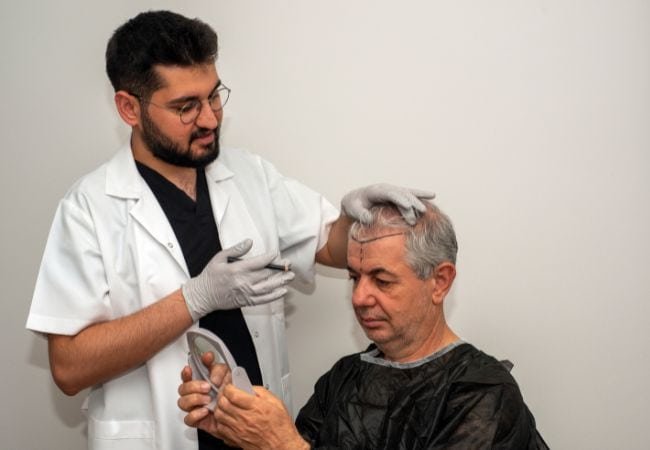
Your journey starts with a detailed consultation with a qualified biofibre hair transplant doctor, who reviews your hair loss history, examines scalp health and evaluates whether you are a suitable candidate for the procedure. 

The procedure commonly includes the following steps:

1. Pre-Procedure Preparation:

You may follow a special routine for scalp care before the procedure. Good scalp health remains vital for a successful transplant.

2. The Implantation:

During the procedure, the specialist uses hooked needles to implant the fibers into your scalp. Because the fibers lack a natural root, the specialist places them deeper to prevent early shedding.

3. Post-Procedure Care:

Right after the surgery, you follow a strict aftercare routine. Your doctor advises you on how to wash your hair and protect the implanted area from infection. Your doctor can prescribe a 7-day course of antibiotics to reduce the risk of infection.

4. Follow-Up Treatments:

It takes around 20 to 30 days for the fibers to anchor in the scalp. To achieve your desired density, you may need follow-up sessions every five weeks. Over time, about 10% of the fibers shed annually, so you may require yearly touch-ups.

Safety and Tolerance

All biofibre hairs meet a high safety standard. They receive a safety grade of VI on the medical polymer scale, which means they are completely safe for hair restoration when implanted properly. 

However, because biofibre hair is synthetic, your body might reject the implants.
For this reason, your doctor recommends a tolerance test before the procedure. This test ensures that your body will accept the synthetic fibers without any adverse reactions.

Immediate and Long-Term Results

One main attraction of the biofibre hair transplant is that you see immediate results. Unlike other methods that require months of waiting for transplanted follicles to grow, biofibre implants give you a fuller look on the same day as the procedure. However, because the fibers are synthetic, they do not grow like natural hair, and you must perform regular maintenance.

Pros and Cons of Biofibre Hair Transplants

Biofibre hair transplants provide immediate cosmetic results and do not require donor hair, making them attractive for people with advanced hair loss. However, because the implanted fibers are synthetic, they require ongoing maintenance and may not suit everyone.

Understanding both the advantages and limitations can help you decide whether this hair restoration option aligns with your expectations and long-term goals.

Pros:

  • Immediate Results
  • No Donor Area Needed
  • Durable Appearance
  • Minimal Downtime

Cons:

  • The fibers shed over time (about 10% per year), so you need regular touch-ups.
  • Once cut, the fibers do not grow back, which means any trimming is a permanent change.
  • You cannot bleach or dye the fibers, which may trouble you if you like to change your hair color.
  • Although rare, your body may reject synthetic implants. A tolerance test remains crucial to prevent this.
  • To prevent infection and ensure proper anchoring, you must follow a strict aftercare routine.

Biofibre Hair Transplant Cost in Jaipur

The cost of biofibre hair transplant in Jaipur can vary depending on the number of grafts required, treatment goals and the overall extent of hair loss. At ALCS Clinic, treatment recommendations are personalized after evaluating scalp condition, coverage requirements and individual expectations. Since every case differs, the overall biofibre hair transplant cost may vary from person to person.

Several factors can influence the final treatment cost, including:

  • Number of grafts required
  • Severity and pattern of hair loss
  • Desired hair density and coverage area
  • Doctor’s experience and expertise
  • Technique and implantation planning used
  • Clinic location and treatment facilities
  • Follow-up care and maintenance sessions

Biofibre Hair Transplant Risks

However, like any scalp procedure, there is a small risk of complications, such as infection or implant rejection.

Most patients experience only mild side effects after a biofibre hair transplant, and these usually resolve within a few days. Common risks include:

  • Mild Redness: Temporary redness around the implanted area is common immediately after the procedure and usually fades within a few days.
  • Scalp Swelling: Some patients notice slight swelling or tenderness around the treated area. This reaction is usually mild and improves with rest and proper care.
  • Minor Discomfort: Mild soreness or scalp sensitivity can occur during the healing period, particularly in the first few days.
  • Itching During Healing: As the scalp recovers, some individuals may experience temporary itching. Avoid scratching because this may disturb newly implanted fibers.
  • Risk of Infection: In rare cases, approximately 2% of patients may develop infections that can require fiber removal. This risk is one reason doctors generally prescribe a short course of antibiotics.
  • Implant Rejection: Because biofibre hair uses synthetic fibers, some individuals may experience rejection reactions. A tolerance test before the procedure helps reduce this possibility.

Following your surgeon’s aftercare instructions, taking prescribed medications, and avoiding scalp irritation can significantly reduce the likelihood of complications and improve long-term results.

How to Maintain Biofibre Hair Long-Term?

Biofibre hair requires ongoing care because synthetic fibers do not behave like natural hair. Proper maintenance helps preserve appearance and reduce unnecessary shedding.

Although the results appear immediately, long-term success depends heavily on your daily habits and follow-up care.

Helpful maintenance practices include:

  • Wash hair gently using recommended products
  • Avoid aggressive rubbing during drying
  • Use soft brushes or wide-tooth combs
  • Avoid strong chemical products
  • Protect the scalp during contact sports
  • Attend follow-up appointments regularly

Because approximately 10% of implanted fibers may shed each year, periodic maintenance sessions are usually recommended.

Read More:

What Is Bio FUE Hair Transplant?

Why FUE Implantation is Preferred Over FUT

10 Reasons to Opt for FUE Hair Transplant

Common Mistakes After a Biofibre Hair Transplant

The most common mistakes after a biofibre hair transplant include ignoring aftercare instructions, touching the scalp too early, and skipping follow-up care. These errors can increase the risk of infection, irritation, and premature fiber shedding.

Many patients focus on achieving immediate cosmetic results but overlook the importance of long-term maintenance. Proper healing and fiber anchoring depend heavily on following your specialist’s guidance during recovery.

Common mistakes include:

  1. Touching the Scalp Too Soon: Repeated touching can disrupt newly implanted fibers before they anchor properly.
  2. Using Harsh Hair Products: Strong shampoos and chemical products may irritate the scalp.
  3. Skipping Prescribed Medication: Antibiotics help reduce infection risk and should be taken exactly as instructed.
  4. Returning to Exercise Too Quickly: Heavy sweating and friction may interfere with healing.
  5. Missing Follow-Up Sessions: Regular evaluations allow specialists to monitor healing and maintain density.

Following post-procedure instructions carefully helps improve long-term outcomes.

Biofibre Hair Transplant Success Rate

Studies and clinical observations show that the success rate for biofibre hair transplants ranges between 95% and 98%. Experienced specialists achieve this high success rate when you adhere to the recommended aftercare routine.

However, a small percentage of cases see rejection or extraction of the fibers due to infection. Therefore, a tolerance test before the procedure remains important to ensure that your body accepts the synthetic implants.

Biofibre vs. Natural Hair Transplants

Biofibre and natural hair transplants differ mainly in the type of hair used and long-term maintenance. Natural transplants use living hair follicles that continue growing, while biofibre transplants use synthetic fibers that provide instant results but require periodic replacement.

It remains important to understand how biofibre hair transplants differ from natural hair transplants. Here is a simple comparison:

Natural Hair Transplants

Transplants involve moving healthy hair follicles from one part of your scalp to another. The transplanted hair grows naturally because it has a living root.

  • Appearance: The hair blends seamlessly with your existing hair and ages naturally, including greying over time.
  • Maintenance: Once transplanted, the natural hair continues to grow and requires normal hair care routines. You do not need regular re-implantation.

Biofibre Hair Transplants

Instead of moving natural follicles, your specialist implants synthetic fibers directly into the scalp using hooked needles.

  • Appearance: Biofibre hairs come in various colors and lengths and do not grey or change with age. However, they cannot grow or be altered like natural hair.
  • Maintenance: You must replace the fibers periodically, as they shed at about 10% per year, and the procedure requires strict aftercare.

Conclusion

A biofibre hair transplant offers an immediate solution for those who look to address hair loss. It especially appeals if you seek a quick improvement without relying on donor hair. The procedure provides instant results and a controlled appearance, which makes it a popular choice for many individuals. However, you must weigh the pros and cons before making your decision.

Frequently Asked Questions (FAQs)

Is a biofibre hair transplant permanent?

No, a biofibre hair transplant is not completely permanent. Synthetic fibers gradually shed over time, with approximately 10% of implanted fibers lost annually, which means maintenance or touch-up sessions may be required.

How long does it take to recover after a biofibre hair transplant?

Most patients recover within a few days, while the implanted fibers usually take around 20-30 days to anchor securely into the scalp. Following aftercare instructions is important for proper healing.

Can biofibre hair be cut, styled, or dyed?

Biofibre hair can be cut and styled, but once trimmed, it does not grow back. The fibers also should not be dyed or bleached, so selecting a suitable color before treatment is important.

Is a biofibre hair transplant painful?

The procedure generally causes minimal discomfort because specialists perform it under local anesthesia. Some patients may experience mild redness or scalp sensitivity for a few days after treatment.

Who is the ideal candidate for a biofibre hair transplant?

People with limited donor hair, extensive baldness, scalp scarring, or those seeking immediate cosmetic improvement are considered good candidates for a biofibre hair transplant. A consultation and tolerance test help determine suitability.
All You Need to Know About the Latest Hair Transplant Technology

air loss is very common and can occur due to various reasons. It can be a very emotional and challenging experience. In India, concerns like pattern baldness and general hair fall are increasingly common, causing worry and affecting self-esteem. Fortunately, modern medicine now offers hair transplantation solutions that bring hope and restore confidence to countless individuals.

In this guide, we’re going to walk you through everything you need to know about hair transplant surgery. We’ll cover what the procedure involves, look at the most advanced techniques available today, and discuss the key factors that contribute to a successful hair restoration outcome. 

What Is Hair Transplant Surgery?

Hair transplant surgery is a specialized procedure designed to help restore hair growth in areas where hair is thinning or missing. The idea is simple: healthy hair follicles are taken from a part of your head that has a good supply of hair, typically the back or the sides and are carefully moved to the balding or thinning spots. Once these follicles are transplanted, they start growing hair naturally, offering long-term improvement in the appearance of your hair.

In recent years, hair transplantation has come a long way. Thanks to technological advances, the methods used today are much less invasive than in the past. These improvements mean that recovery times are shorter, discomfort is minimized, and the final results look much more natural.

Advanced Hair Transplantation Techniques

There are several innovative techniques in use today, each offering its own benefits and considerations. Let’s take a closer look at the most common methods.

1. Follicular Unit Transplantation (FUT)

Also known as the strip method, Follicular Unit Transplantation (FUT) is one of the traditional methods used worldwide. Here’s how it works: a surgeon removes a narrow strip of skin from the donor area, usually at the back or the sides of your head. Under a microscope, individual hair follicles are meticulously extracted from this strip, and then they’re transplanted to the areas where you’re experiencing hair loss.

Advantages of FUT

  • It tends to be more cost-effective compared to some newer techniques.
  • It allows for the transplantation of a large number of hairs in one session, which can be beneficial if you need significant coverage.

Disadvantages of FUT

  • The process leaves behind a linear scar in the donor area, which can be an issue if you prefer shorter hairstyles.
  • There might be more discomfort during recovery, and the healing process can take longer compared to less invasive methods.

2. Follicular Unit Extraction (FUE)

Follicular Unit Extraction, or FUE, is a modern alternative that has gained a lot of popularity. Unlike FUT, FUE involves extracting individual hair follicles directly from the donor area using a tiny punch tool. These follicles are then individually implanted into the balding or thinning regions.

Advantages of FUE

  • The procedure is less invasive, which means there is minimal discomfort during and after the surgery.
  • There are no linear scars, so you can style your hair short without worrying about visible marks.
  • The recovery period is generally shorter, allowing you to return to your regular routine faster.

Disadvantages of FUE

  • It can be more expensive than FUT because it is a more time-intensive process.
  • Covering a large balding area might take longer compared to FUT due to the individual extraction method.

3. Platelet-Rich Plasma (PRP) Therapy

PRP therapy isn’t a transplant method by itself, but it’s an effective supplementary treatment that can enhance hair growth. In PRP, a small sample of your blood is taken and spun in a centrifuge to separate the platelet-rich plasma from the rest of the blood. This plasma, which is rich in growth factors, is then injected into your scalp to stimulate dormant hair follicles.

Advantages of PRP Therapy

  • It’s minimally invasive and considered very safe.
  • The procedure is quick and usually causes little discomfort.
  • It naturally boosts hair growth and thickness.

Disadvantages of PRP Therapy

  • You usually need multiple sessions to see significant results.
  • It may not be as effective for individuals with extensive hair loss or severe baldness.

4. Stem Cell Hair Transplant

Stem cell hair transplantation is one of the most exciting advancements in the field of hair restoration. This technique starts with extracting a small number of hair follicles from the donor area. These follicles are then taken to a laboratory where they’re multiplied or cloned, increasing the number of hair follicles available for transplantation. After this process, the cloned follicles are implanted into the areas that need hair.

Advantages of Stem Cell Transplants

  • This method can potentially offer a higher hair density and more coverage.
  • The cloning process means that, in theory, you could have an almost unlimited supply of hair follicles for transplantation.
  • It is minimally invasive, with reduced chances of noticeable scarring.

Disadvantages of Stem Cell Transplants

  • The technique is still relatively new, so it might not be available in all regions.
  • It tends to be more expensive compared to traditional methods.

5. Automated NeoGraft Hair Transplantation

Automated NeoGraft is a high-tech evolution of the FUE technique. Instead of manually extracting hair follicles, this method uses a specialized automated device that does the job quickly and efficiently. This device not only speeds up the extraction process but also helps in implanting the follicles, reducing the overall duration of the procedure.

Advantages of Automated NeoGraft

  • The procedure is faster and highly precise.
  • There is less manual handling of the follicles, which minimizes the risk of damage.
  • It leads to minimal scarring, less pain, and reduced downtime during recovery.

Disadvantages of Automated NeoGraft

  • The technique requires specialized training and equipment, which can drive up the cost.
  • It may not be suitable for every type of hair loss or every hair type.

6. ARTAS Robotic Hair Transplantation

ARTAS robotic hair transplantation takes the innovation one step further by integrating robotics and artificial intelligence. In this method, a robotic system scans your scalp, identifies healthy hair follicles, and extracts them with remarkable precision. It then assists the surgeon in implanting these follicles into the thinning or balding areas.

Advantages of ARTAS

  • It offers high precision and accuracy in both extraction and implantation.
  • The risk of scarring and discomfort is minimized, and the procedure tends to be very gentle on the scalp.
  • Recovery times are typically faster due to the reduced trauma involved.

Disadvantages of ARTAS:

  • The system is expensive, which means the overall cost of the procedure is higher.
  • Its availability might be limited to specialized clinics, and it requires surgeons who are trained in using robotic systems.

7. BioGraft Hair Transplantation

BioGraft is a unique technique that combines elements of traditional methods like FUT or FUE with advanced technology to ensure that the transplanted hair blends seamlessly with your existing hair. The focus here is on achieving a natural look by carefully aligning the texture, density, and growth direction of the new hair with what you already have.

Advantages of BioGraft

  • The results are incredibly natural-looking, as the transplanted hair integrates well with existing hair.
  • This technique provides enhanced styling flexibility because the hair appears uniform and well-blended.
  • It can be particularly appealing for those looking for a subtle change that still makes a big difference.

Disadvantages of BioGraft

  • It requires a high level of skill from the surgeon, as the technique is quite meticulous.
  • The advanced technology and expertise involved can lead to higher costs compared to standard methods.

Factors That Influence the Success of Hair Transplant Surgery

The success of a hair transplant isn’t just about the technique used; several other factors play a significant role:

1. Choice of Transplant Method

Each hair transplantation method has its own set of benefits and limitations. It’s important to have an in-depth discussion with a hair restoration specialist who can help determine which method is best suited to your individual needs and the specific pattern of your hair loss.

2. Skill and Experience of the Surgeon

The surgeon’s expertise is one of the most critical elements in ensuring a successful transplant. Look for a specialist with extensive training in hair restoration and a solid track record of successful procedures. A skilled surgeon can make a huge difference in the final outcome.

3. Quality of Infrastructure and Technology

The facilities where the procedure is performed also matter a great deal. Clinics equipped with the latest medical devices and technology tend to offer more consistent and satisfactory results. The better the technology, the less invasive the procedure is likely to be, and the smoother your recovery will be.

4. Patient’s Post-Operative Care

After your surgery, following your doctor’s instructions to the letter is vital. Proper aftercare including the right medications, careful handling of your scalp, and adherence to hygiene protocols can make the difference between a successful transplant and potential complications.

Tips to Ensure Successful Hair Transplant Outcomes

Here are some practical tips that can help you get the best possible results from your hair transplant:

  • Don’t hesitate to seek second opinions. Meeting with several experts can help you choose a surgeon whose experience and approach you trust.
  • Whether it’s taking medications on time, following dietary recommendations, or avoiding strenuous activities, sticking to your post-surgery plan is crucial.
  • Remember that hair restoration is a process. It might take several months before you see the full results, so patience is key.

Conclusion

Hair transplantation has seen remarkable advancements in recent years, offering a range of options from the traditional FUT to the cutting-edge ARTAS robotic systems. Each technique from FUE and PRP therapy to stem cell transplants and automated NeoGraft has its own unique advantages and considerations. You can find a solution that fits your needs and helps restore not just your hair, but your confidence by understanding these methods and working with experienced professionals. 

The journey to overcoming hair loss isn’t just about the surgery but it’s about making informed choices, taking care of your overall health, and following your doctor’s advice before and after the procedure. 

Hair Transplant Cost in Turkey and India

Hair loss is a common phenomenon in today’s world where apart from the normal hair fall experienced by people, there are multiple factors causing an increased rate of the loss.
Some of the most common reasons for hair fall are bad lifestyle choices like smoking and drinking, stress, pollution and contaminated air and water. All of these lead to an accelerated rate of hair fall than the human body can replace at a normal pace.
Thus, hair restoration treatments like hair transplant surgeries have become commonplace. Another trend is to get the hair transplant in the countries popular for good quality and low cost surgery options.
When looking for options to get the hair transplant done, it is not uncommon to hear the comparisons drawn between the hair transplant cost in India and the hair transplant cost in Turkey.
So, why are these comparisons being made and is there any merit in these comparisons? Let’s find out. Turkey has been a popular destination to get hair transplant surgeries for some time now.
This is because the hair transplant price in Turkey is much lower than the Western countries. 
However, what is not considered while looking at these claims is the hidden charges for the surgery as well as the overall post-operative service quality in the country.
For anyone considering a hair transplant, it is absolutely essential to understand, what constitutes the actual cost of the treatment, wherever in the world it is done.

Some of the most important factors contributing to the cost of hair transplant surgeries are


1. Experience and qualification of the surgeon
2. Cost of stay including pre and post-operative stay
3. Facilities provided at the centre where the actual surgery takes place
4. Qualification of the support staff

What is important to understand here is, the hair transplant is a time consuming process and hence the doctor needs to be ably supported by trained and professional staff. These are some of the factors that will not be mentioned when you are looking at the hair transplant cost in Turkey.
However, when you actually land up in the country, you will realize that the lowest cost was simply an understatement and did not contain these hidden charges. Thus, you will eventually end up paying a much higher cost than you estimated.
On the other hand, when you look out for the hair transplant price in India, all these factors are clearly highlighted and each clinic will give you a break-up of all the charges.
When all the contributing factors are considered, it turns out that not only the hair transplant cost in India comes out to be lower, but the quality of service is also much higher.
A critical factor impacting the cost of the hair transplant surgery is the experience and qualification of the surgeon. When checking the hair transplant price in India, this becomes a distinguishing factor as well.
The reason being, the doctors in India are known the world over for their professional acumen. Also, since English is a primary language in India and the doctors themselves study in some of the best medical colleges around the world, they are fairly conversant and comfortable in the language.
This gives an additional comfort level to the foreign nationals travelling to India for getting a hair transplant surgery.

Why choose Dr. Sunil Arora and ALCS clinic?

Dr. Sunil Arora is a prominent name in the world of hair restoration and reconstructive surgeries in India. His dedication to the profession reflects in the stupendous results he has got for his clients and the great regard in which he is held by patients and doctors alike.
Dr. Arora was awarded the Ethicon Cosmetic Surgery Travelling Fellowship by The Association of Plastic Surgeons of India in recognition of his valuable contribution to the profession.
Dr. Arora’s illustrious career includes stints at SMS Medical College, Jaipur, CSM Medical University, Lucknow and AIIMS, Delhi before ALCS Jaipur. For anyone looking to find a good hair transplant surgeon in India, Dr. Arora is a natural choice.
What makes this entire procedure even more attractive, is the fact that the lower cost of living in Jaipur makes the overall cost of the hair transplant go down even more!

Things to Consider Before Having a Hair Transplant in India

Hair loss is a problem faced by many people in today’s world and therefore the hair loss treatments are more sought after than ever before. Hair transplant is no longer a word limited to medical jargon. Instead, it has become a part of the day to day discussions. Anyone who has faced hair loss, has had at least one well-meaning friend advise them to go for a hair transplant. This behaviour has been further supported with the easily available options for hair transplant in India.

But, if this were so easy, why doesn’t every person who faces hair loss, go for a transplant. The reason is pretty simple actually! Like any other medical procedure, hair transplant is a surgical treatment and hence must be considered, being fully aware of what to expect. Here are a few things, one must consider, before going in for a hair transplant in India or elsewhere.

Is hair transplant really required for your condition?

It is easy to go with the popular opinion and believe that hair transplant is your only option to save yourself from going completely bald. However, before making this assumption, it is important to understand that not everyone is a good candidate for a hair transplant. A good consulting surgeon is the one, who can assess your hair and medical condition, to identify, whether or not you actually need a hair transplant surgery. If the results are negative, even the best hair transplant in India will not work in your favour.

Why are you losing your hair?

Not every hair loss is same or for the same reason. The important point is to identify the cause for your hair loss, before going in for any treatment. If you are facing only a temporary hair fall due to illness, stress or pregnancy, no special treatment is required and your hair loss will be controlled. However, your hair fall is permanent in nature like due to certain treatments, hormonal imbalance, age or other genetic factors, it needs to be evaluated, whether hair transplant can be of any help to you.

Are you of a suitable age to go in for this treatment?

An important factor affecting the hair loss pattern is age. If you go to the surgeons performing the best hair transplant in India, they will advise you only one thing. It is important to identify that the nature of the hair fall is permanent and hence any surgical treatment should be avoided till the patient is at least of a certain age, for e.g. more than 25 years.

Are there any alternative treatments that you can consider instead of a transplant?


It is important to understand that despite the methods for hair transplant in India making progress in leaps and bounds, it is not the only treatment available to the patients. Medicine based treatment is a good alternative and can be considered, especially for people who are quite young.

What will be the cost of the hair transplant?


There are a number of factors that can define the hair transplant cost in India or any other place. Before deciding to go for the method, it is important to know the approximate cost you will have to bear and be prepared for it. The hair transplant cost in India depends on the qualification of the surgeon, the availability of the support staff, the medical facility, the techniques used and many other things.

What type of Hair Transplant are you going for – FUT or FUE?


The two techniques of hair transplant used extensively are FUT and FUE. While FUT is the traditional method and involves some amount of scarring with a higher recovery time, FUE is the more recent and efficient technique. In this the amount of scarring is minimal and the recovery time is also comparatively lesser. Hence, the FUE hair transplant cost in India is slightly higher than FUT.

What is the typical recovery period after the Hair Transplant Surgery?


Although a comparatively safer procedure, hair transplant is a surgical method at the end of the day. The typical recovery times after FUT is nearly a week and for FUE it is 2-3 days. The exact time may differ from case to case.

How To Take Care of Hair After a Hair Transplant

When you decide to undergo the hair transplant procedure, you should make sure to select a doctor expert in their field, highly experienced, and you have realistic expectations. In addition, you should have detailed information about the entire process and important factors that will help you recover quickly. 

Before getting the desired results and enhanced appearance, there are several levels of recovery and after hair transplant care.

You must have every information about post hair transplant care. The transplanted hair is delicate and needs special care and attention.

You must switch to an effective routine for your hair care so that the area of transplantation can speed up the hair transplant recovery. Here are some things you can do to fasten the hair transplant recovery time. 

  • Keep the area of transplantation moist: Your surgeon must give you every information or tool to keep the transplantation site hydrated. One of the methods by which you can keep the fair follicles moistened is applying a saline solution or an ointment like Aquaphor. 
  • Gentle hand washing: After using the solution for a couple of days, you wash your hands with your hands. Instead of bathing in a shower, gently wash your hair with your hands, as it prevents the shower pressure. You can use shampoo and then rinse it off with the help of lukewarm water. 
  • Sleeping semi-upright: A part of after hair transplant care includes sleeping in a semi-upright position to prevent gravity from affecting the newly transplanted hair. You can opt to sleep in the recliner position with an angle of 45 degrees. 
  • Reduce the chances of inflammations and irritations as much as possible: You can significantly reduce the occurrence of irritations or infections by frequently cleaning your hair very gently. If you sleep in a particular position for the first 3 nights after the procedure, the movement of the fluid will be directed towards the forehead, thus reducing the chances of swelling. 
  • Avoid heavy exercises after hair transplantation: You may want to avoid heavy physical activities as they may result in pain and inflammation. However, you can perform light exercises such as walking and stretching and gradually increase the intensity after 7 to 8 days. Seating does not affect the transplanted hair, but an intense workout might cause pain and swelling. 
  • Go for easy hairstyles rather than complicated ones: As a part of hair transplantation care, do easy hairstyles like ponytails, braids etc., which are not stressful on the transplanted hair. Do not use hair products excessively, but you can add a little texture. 

If you are looking for hair transplants with a month by month recovery plan online, you can consult Dr Sunil Arora at ALCS Hospital to find tips to care for your hair. He is an expert in his field and will give you all the information you need to know. You can also visit him if you have doubts regarding a hair transplant after 1 month. 

Importance of diet after hair transplant

A nutritional diet will help you keep your transplanted hair healthy after the procedure of hair transplantation. Some of the food which will benefit your transplanted hair to grow healthily and efficiently are:

  • Fish such as salmon, trout or tuna. 
  • Walnuts as they are a source of biotin, fatty acids and vitamin E. which will protect your hair from damage. 
  • Eggs are a source of sulphur, zinc, selenium and iron, which will bring oxygen to the follicles. 
  • Blueberries
  • Spinach

If you are looking for hair transplant recovery time, consult Dr Sunil Arora at ALCS hospital. He will clear your doubts at a reasonable price. 

Precautions to take after a hair transplant surgery

Here are some tips for post hair transplant care:

  • Avoid dying your hair: You should not dye your hair for at least 4 weeks after the hair transplant treatment. If you need to dye your hair urgently after the procedure, make sure to do it before undergoing the procedure. There will be no significant influence on the procedure if you dye it earlier, but the harsh chemicals might damage the hair follicles. The hair follicles are highly delicate during the first week after the procedure. 
  • Avoid exposure to the sun: You should not expose your transplanted hair to the sun for at least 2 weeks after the hair transplantation procedure. If you must go out in the sun, do not stay out for too long. If you are going for a holiday, avoid getting sunburnt or scuba diving. 

If you are looking for a hair transplant after 1 month online, visit ALCS hospital and have a consultation with Dr Sunil Arora.

How to keep your hair healthy after a hair transplant?

Some factors causing hair loss or hair fall are age or other generic factors and the type of lifestyle. Here are a few things that you can do to improve your appearance:

  • Check your vitamins and minerals levels. 
  • Take nutrients prescribed by an expert. 
  • Us silicone-based products to reduce damage to your hair. 
  • Choose a reliable stylist who would not damage your hair. 

If you need consultation regarding after hair transplant care, visit Dr Sunil Arora at ALCS Hospital. 

Is Hair Transplant Permanent and for How Long?

If you think of hair transplant and its results, what comes to your mind? Most often, people are faced with the question, “Is hair plantation permanent?” The answer is a yes! Hair transplant provides a natural-looking and near-permanent solution to baldness. 

Baldness is common in men and may hamper their looks at a young age. Poor lifestyle choices and genetic factors are the common reasons for hair fall in men.

However, women also suffer from hair loss, but their hair loss pattern is different from men. Women majorly get affected by hair thinning. If you want to opt for a hair transplant, you need to understand the procedure and how it will help you get a fuller appearance. 

Before undergoing a hair transplant, most people may think, “How permanent is a hair transplant?” Hair transplant provides a lasting result, but you need to remember that newly transplanted hair may fall off for six weeks after hair transplant.

However, after the fall off, you will experience hair growth on your scalp. Some people experience hair thinning after a few years of undergoing a transplant. In such cases, they may need a surgical ‘touch up’ to restore the lost hair and get a natural look. Some people may require multiple attempts to get full coverage on their scalp. 

Does a permanent hair transplant depend on the expertise of a doctor?

The expertise of your surgeon plays a crucial role in the success of a hair transplant procedure. You must choose a surgeon who has expertise in carrying hair transplantation surgeries.

Furthermore, they must hold an open discussion with you to understand your concerns. Helping you set realistic expectations from the surgery is also a part of their job. Moreover, an experienced surgeon will inform you about your suitability for the procedure. 

Having an experienced doctor by your side is not enough to fight baldness. In addition to being a professional doctor, you also require technologically advanced equipment for hair transplantation surgery. The combination of an experienced doctor and technology will determine the results and provide an answer to, “Is hair transplant permanent?”

What causes hair transplants to fail?

The major causes of a failed hair transplant are:

  • Surgeon’s inexperience
  • Carelessness in following postoperative tips
  • Hair characteristics
  • Hair density in the donor region
  • The severity of hair loss
  • Unrealistic expectations
  • Dishonest practice in hair transplantation clinic
  • Non-suitability of candidate

In addition, a fault in hair extraction and implantation can damage the grafts. If you want information on “How long before hair grafts are permanent?” you may contact Dr. Sunil Arora at ALCS Clinic

What should be done for the hair transplant to last long?

You may experience some amount of hair fall in the initial weeks of hair transplant surgery. However, remember that it is temporary and will stop in a few days. After the initial hair loss, your hair will start growing in the usual manner.

You may experience hair growth between six to twelve months after undergoing a hair transplant. After fifteen months, you will get a natural-looking result. However, to set a realistic expectation, you must talk to your hair surgeon.

To improve the lifespan of your hair transplantation, you need to follow a strict postoperative hair care regime. Your after-surgery hair care tips will decide the effectiveness of hair transplantation surgery.

If you still worry about “Are hair transplants permanent?” you can contact Dr. Sunil Arora to discuss your concerns. 

How to ensure the effectiveness of hair transplantation?

To ensure the quality of your hair transplant, you can follow the below-mentioned lifestyle tips.

  • Smoking : If you want to get fuller hair growth, you must stop smoking. Smoking from a young age is linked to baldness. If you have undergone a hair transplant, it is recommended not to smoke for at least a year. Moreover, if you want dense hair growth in bald areas, quit smoking.
  • Adequate sleep : Proper rest is essential in your recovery period, and you must take at least eight hours of sleep. Quality sleep ensures that your scalp gets adequate blood circulation. Moreover, it helps in the development of new scalp tissues. In addition, proper rest during the night is essential to healing surgery scars.
  • Diabetes control : If you have undergone a hair transplant, it is essential to keep your blood sugar levels under control. It is because baldness is linked to diabetes. A high glucose level reduces testosterone levels, resulting in baldness. 

There are two critical techniques of hair transplantation, and surgery cost depends on the selected technique. If you want information on permanent hair transplant costsyou may contact ALCS Clinic. 

Hair transplantation is a viable option for extreme hair loss. Moreover, it provides a permanent solution for balding and hair thinning. However, it is essential to set a realistic expectation from the transplant procedure.

If you are confused about the effectiveness of hair transplant and think, “Is hair transplant permanent?” you can contact ALCS Clinic to resolve your doubts. 

Is A Hair Transplant Painful?

If you consider undergoing a hair transplant, you may be faced with various questions such as, “Do hair transplants hurt?”, “How long does the treatment last?”, “What is the cost of the procedure?” and “Am I a suitable candidate?” among others. Let us understand the procedure and, in turn, get answers to all questions. 

Hair transplant is an elective cosmetic procedure. During any surgical or medical procedure, none of us wants to go through pain and discomfort. However, you don’t feel severe pain or discomfort during a hair transplant due to technological advancements.

It is a minimally invasive surgical procedure carried under the influence of anaesthesia. Therefore, most patients do not feel significant pain during the process. 

Before proceeding further, you need to understand the procedure thoroughly. So if you want to learn about treatment for scalp pain caused by hair transplant, you must pay attention to before and after surgery details. So first, let us understand the surgery procedure to know how painful a hair transplant is!

Before surgery

Before starting the procedure, a surgeon soothes the scalp area with a numbing drug. When the medication is applied to your scalp, you don’t feel discomfort.

However, as the effects start to wear off, you may feel slight numbness at the surgical site. The numbing process is carried in two parts, and a numbing drug is applied to the donor and recipient area. 

Before starting the procedure, a surgeon washes your scalp and trims the donor area. Then they administer doses of local anaesthesia in the donor area. Next, the drugs are injected using a fine needle.

While injecting the medication, you may feel a sting or pinch in the donor area. After 10-15 minutes, you will feel anaesthesia’s effect. The next step involves removing hair follicles from the donor area and planting them in the recipient area. 

Do hair implants hurt? The answer is a yes. Once the surgery is over, you may feel pain in the scalp.

What are the stages of hair transplant?

The major stages in a hair transplant surgery include:

  • Consultation : It is the first step in which your doctor looks at your records and the intensity of hair loss. Moreover, they may discuss the surgical steps and after-surgery care with you. 
  • Local anaesthesia : Local anaesthesia doses are administered to provide relief from the pain during surgery. 
  • Hair extraction : The surgeon marks the area on your head to pluck healthy hair follicles. Then, a punching machine is used to make the incision. After removing healthy hair follicles from the donor area, the plucked hair follicles are implanted into the recipient area. Then the surgeon adds an antiseptic dressing to the donor region. 
  • Postoperative period : In the postoperative period, the surgeon suggests ways to take care of your transplanted hair. To get an optimal result, you are requested to follow post-surgery tips strictly.

Keep yourself calm and composed during the surgery. It is essential to follow the surgeon’s advice after undergoing hair transplant surgery.

After surgery

Some people might feel a little pain after a hair transplant. Once the anaesthesia’s effects start to wear off, you may feel slight pain at the surgical site. However, your surgeon will re-administer the numbing drug to reduce the discomfort, and you will feel its effect for three hours.

It means you may experience tenderness and little pain after three hours. During those three hours, you can go back to your home and start following post-surgery preventive tips.

If you feel intense pain, you can take painkillers to get relief. If you take the prescribed medications in the required doses, you may experience a smooth transition without feeling any pain.  

The next day, you may not feel any discomfort or irritation. However, if you feel slight pain, you may take a few doses of painkillers to soothe the area. 

Is a hair transplant painful?

For most people, a hair transplant is a painless experience. It is because they follow after-care tips cautiously and take prescribed drugs in the required doses. Moreover, most hair transplant patients feel that it is a painless and fun experience. 

Pain relief after Hair Transplant surgery

Experiencing slight pain after surgery is a common phenomenon. However, following your surgeon’s advice will help in minimising pain. Therefore, you must select a recognised and qualified surgeon for your hair transplant.

To protect your scalp from infections, your surgeon will prescribe medications and ointments. After the transplant, you may observe redness on your scalp, but it will reduce in a few days.

You may have to deal with slight pain after the procedure, but you can cope with it by following the right after-care tips. 

How painful are FUE and DHI hair transplant techniques?

In FUE hair transplantation, a surgeon has to extract a hair follicle and then graft it to the recipient area. It is a labour-intensive operation and requires extra effort.

To reduce pain, the surgeon gives you anaesthesia. Moreover, you are given a combination of sedatives and painkillers to control the discomfort, while in DHI, you will experience less pain. However, the discomfort also depends on your tolerance levels. 

Is a hair transplant painful? If you are unsure, you can contact Dr. Sunil Arora at ALCS Clinic to solve your doubts.

Everything You Need to Know About an FUE Hair Transplant

As you age, your body, hair, and skin go through a lot of changes. Your skin becomes saggy and loses its elasticity. Moreover, the bone becomes brittle and may develop degenerative issues.

Ageing also affects hair density, and you may experience hair loss. However, hair loss is not limited to ageing. Young people in their mid-age may experience hair loss.

Women majorly experience hair loss due to hormonal changes during their lifetime. But hair loss in women is entirely different from hair loss in men. Men majorly suffer from male pattern baldness.

Fortunately, hair restoration techniques like FUE hair transplant are fruitful in covering your bald patches. 

What is a FUE hair transplant?

Follicular Unit Extraction is an advanced hair restoration technique that provides effective results. In this process, a surgeon extracts hair follicles from the areas with sufficient hair. However, the extracted hair follicles must be healthy and ready for implantation.

Usually, the back of your head is ideal for removing hair follicles, but they can be extracted from other areas as well. Extracting hair follicles from the donor area is a tedious process because each hair follicle is removed individually. 

After extracting hair follicles, the surgeon plants them in the recipient area. As a result, you experience thick hair growth in the bald area. FUE hair transplant was introduced to replace Follicular Unit Transplantation. FUT is a painful process of hair transplant in which a long strip of skin is removed from your scalp.

Once FUE was introduced, surgeons and patients started giving preference to this method of hair transplant. The reason for the popularity of the FUE method is its minimally invasive technique.

Moreover, it provides natural-looking results, and your hair does not feel like hair plugs. In addition, follicular unit extraction does not leave any scar on your head. 

How does an FUE hair transplant work? 

FUE hair transplant provides a natural-looking result, which is why it is prefered over the FUT method. Your hair growth follows a three-phase cycle. But as you grow old, the hair regrowth cycle shortens due to the non-availability of new hair follicles.

As a result, you may encounter balding. However, balding may affect a person in any age group. For example, some people may experience premature balding in their mid-20s, while others may experience hair fall and bald in their 50s.  

When you undergo a follicular unit hair transplant, you replace your old and dying hair follicles with new and healthy hair follicles. These follicles get nourishment from blood vessels, and as a result, they grow into new and healthy hair. 

FUE hair transplant cost 

Hair transplant is a cosmetic procedure, and like every other cosmetic procedure, its cost depends on several factors. Some factors that determine the cost of FUE hair transplant include:

  • Number of transplanted and extracted hair follicles
  • Size of the treatment area
  • Surgeon’s expertise
  • Location
  • Hair characteristic
  • Desired results

However, most clinics providing hair restoration services charge according to the graft requirements. Remember that your health insurance may not cover the cost of an FUE hair transplant. In such cases, you have to pay the price from your budget. 

Benefits of FUE hair transplant

FUE hair transplant provides a range of benefits to hair loss sufferers. Some of its significant benefits include:

  • No scarring

In an FUE hair restoration technique, the surgeon does not have to make an incision on your scalp. As a result, you do not develop any scar on your head. However, the FUE technique leaves tiny scabs on your scalp, which you can easily hide under your hair. Sometimes, the scabs may fall off in a few days after transplantation surgery.

  • Minimal discomfort

It is a minimally invasive technique, and hence you may not feel any discomfort. Moreover, you may experience minor pain after the surgery. 

  • Faster recovery

FUE uses micro punctures to extract hair follicles. Therefore, the surgeon does not need to pull your skin from the scalp. Since this technique does not require any incision or stitches, you can heal in a short period.

FUE is preferred over other hair restoration techniques because of its minimal downtime. It means you can resume your regular activities within a week. However, take your surgeon’s advice before continuing vigorous physical training. 

FUE allows faster recovery, and you may expect exceptional results in a few months. 

Risks and side effects of FUE hair transplant

FUE does not involve any severe risks, but you may experience minor side effects after surgery. These side effects include:

  • Infections
  • Drainage
  • Crusting
  • Severe pain
  • Swelling
  • Follicle swelling
  • Bleeding
  • Numbness

These side effects are temporary, and you may notice an improvement in your condition within a few days. However, if the side effects persist for a longer duration, you may consult your surgeon. 

Why Choose Us?

At ALCS Clinic, we use the latest technology to give you the desired results. Moreover, under the supervision of Dr. Sunil Arora, our trained medical care team has operated on various patients and has provided excellent results.

Therefore, if you wish to get treated by one of the renowned cosmetic surgeons in India, you may contact Dr. Sunil Arora at ALCS Clinic.

The Regrowth Stages After A Hair Transplant

Hair Transplant Regrowth Stages

Several thousands men and women in India suffer from androgenetic alopecia or pattern baldness. It takes a real toll on their appearance as well as their confidence along with their social skills.

But with the help of procedures like FUE or Follicular Unit Extraction and other transplantation methods, the patients can have a natural and seamless appearance with their hair slowly starting to grow again.

In this article, we will describe the stages of hair growth following a transplantation procedure.

First Telogen

Now, it could come as a surprise, but the first of the hair transplant phases is for your hair to start shedding. In the transplantation process, the surgeon extracts short hair follicles from one part of your head or other donor area and implants them onto your scalp.

During this process, the strands come under a lot of stress, due to which they start shedding. But don’t worry, the shedding is just these follicles making way for healthy hair regrowth.

Depending on your health and personal hair growth speed, this stage usually lasts for around two weeks. But in some cases, the patient would experience this stage for even four months. 

Anagen

Then among the hair transplant recovery stages is the Anagen stage, or as it is commonly known, the growth stage. During this stage, you will start seeing hair growth.

Also, your surgeon would be able to understand at this point whether you require more hair grafts or not. After the telogen stage ends, your hair follicles will start producing hair, which will grow at the rate your normal hair typically grows.

Although the growth rate for everyone is different depending on several factors, the typical rate at which they tend to grow is around half an inch to 2 centimetres every month. The anagen stage of hair transplant lasts for around 2 to 6 years, depending on the particular patient. 

Catagen

Then among the hair transplant hair growth stages is the catagen stage. In this stage, your hair growth will stop. Although your hair follicles will become dormant and effectively reach a standstill in this stage, you won’t experience hair loss.

It will last for roughly around two weeks, and then you’ll move on to the next and the last of the hair transplant growth stages

Second Telogen

Last among the stages after a hair transplant is the second telogen. Depending on the patient, it will last for around 3 to 4 months. In this period, you will experience some shedding.

But don’t worry, it’s relatively common and not going to be noticeable. Only a tiny amount of your hair will be at this stage. Others will either be in their growth phase or the catagen phase.

It will then lead to an extension of the telogen phase, also known as the exogen phase, where your old hair will be shedding, and new hair will simultaneously be growing. 

If you are looking to regain your lost confidence due to hair loss and understand the stages of hair growth after a hair transplant, you might want to consult with the experts at ALCS India.

First 3 Months In Your Hair Transplant Procedure

The first few months can be highly frustrating, as you expect, but you don’t see your desired results. But there is a silver lining, and to show you, we’ll look at the recipient and donor areas separately. 

  • Recipient Area Growth: The hair in your recipient area will start shedding 4 to 5 days after the hair transplantation. The doctor might alarm you about this phase during the consultation or before the start of the procedure. So you might want to expect it rather than being alarmed. If you are thinking, “Oh my god! why is my hair falling even after having a hair transplant?” don’t worry. Your hair goes through a cycle of shedding and growing. The hair transplantation induces what the experts call “shock loss”, where your hair follicles shed, and your hair enters an inactive phase. It doesn’t mean that you have hair loss. The follicles shed to start the hair growth after the end of the dormant cycle. After that, it will take your hair about 2 to 2.5 months to enter the telogen resting stage.
  • Donor Area Growth: Since your donor area doesn’t experience any shock loss, it starts growing again almost immediately after the transplant. So there will be hair growth in your donor area in just about a week. 

The hair growth rate in donor and recipient areas differs from person to person, depending on several factors.

After 9 To 12 Months Of Hair Transplant

Your hair will start and continue to thicken through this phase, so it might be a good time to start hair styling. But you might not want to use a trimmer or buzz-cut machine on the donor area for at least 12 months after the procedure. But using a scissor for the haircut would be alright after around a month. 

When it comes to the donor area, you can style it in around a week to a week and a half. In most cases, the recovery completes after around 12 months. So the follow-ups are scheduled after that. But as mentioned earlier, your hair growth might differ in the timeline.

Also, older patients usually see the results slower than younger ones.

If you have any other queries regarding the post hair transplant stages, you might want to consult with the experts at ALCS India. So book your appointment for a consultation with Dr Sunil Arora today!

How To Take Care Of Your Hair After Hair Transplant ?

When you undergo a hair transplant, you have to consider several crucial factors. Apart from selecting an experienced surgeon and setting realistic expectations, you have to pay attention to post hair transplant care to heal completely.

Once your scalp is healed, you can show your healthy locks to everyone. But before that, you need to make sure that you understand hair care in detail. It is because your implanted hair is still fragile, and they require time to develop roots. 

Adopting a healthy hair care routine is essential for the proper growth and development of your hair follicles. You can discuss a hair care regime with your surgeon for a smooth and carefree recovery. 

Tips to be followed post hair transplant

Some post hair transplant care tips that you can follow are:

Keep the grafted area moist

You must keep the grafted area damp, and for this purpose, you can use a hair mist or an ointment. In addition, your surgeon will recommend a saline solution or cream to maintain your scalp moisture.

Gentle hand washing

Apply saline solution or ointment to your hair roots for 1-2 days. After that, you can opt for gently washing your hair. Remember not to wash your hair under a direct shower.

Instead, you can use your hands to clean your hair gently. For example, you can apply a mild shampoo to your scalp and then use lukewarm water to rinse it. 

Sleeping position

Try to sleep in a partial-upright position to prevent your hair grafts from breaking. You can keep your head lifted and follow a recliner position while sleeping.

You can consult your surgeon about the sleeping position. It is recommended to follow a recliner position for at least 48 hours post-surgery. 

Keeping yourself away from swelling and irritation

Gently washing your hair will reduce scabbing and scalp itching. In addition, sleeping in a partial-upright position will push the fluid away from the scalp, reducing swelling. 

Avoiding physical exercises

Avoiding dynamic physical workouts will help in reducing pain and swelling in your scalp. However, you can continue performing light exercises and stretching.

After a week, you can put more pressure on your body and start performing strength and cardio exercises. However, take your surgeon’s advice before continuing vigorous physical activities. 

Soft and sleek hairstyle

A few hairstyles like ponytails and braids can put pressure on your implanted hair. Also, the over-application of hair care products can make your hair stiff.

Therefore, stop the application of hair styling gels and other products just after a hair transplant. 

Following these post-surgery hair care tips will help you in a faster recovery. After an FUE hair transplant you must care for your hair without fail. It is essential for the proper growth of implanted hair.

If you want to learn about hair and scalp care after a hair transplant, you can contact Dr. Sunil Arora at ALCS Clinic

What diet to follow after hair transplant surgery?

Diets that can provide strength and nutrition to your newly implanted hair include:

  • Fatty fish like salmon, tuna, and trout
  • Walnuts to protect your hair against damages
  • Eggs to provide enough oxygen to hair follicles
  • Blueberries
  • Spinach

It is essential to take good care after a hair transplant, and diet plays a crucial role in strengthening your hair follicles. Therefore, you must include essential nutrients, vitamins, minerals, and proteins in your diet. 

Precautions to take after hair transplant surgery

Specific precautions that will help you to take care of your newly grafted follicles after hair transplant include:

Do not use chemical dyes

Do not dye your hair within four weeks of a hair transplant surgery. Dyes contain harmful chemicals that may damage your hair shafts. If you have to dye your hair, get it done before the procedure. There is no harm in colouring your hair a week before undergoing a hair transplant. 

Avoid sun exposure

Sun exposure can damage your hair, so you should avoid stepping in the sunlight for at least two weeks post-surgery. If you have to go outside your home for urgent work, try not to stay in the sun for too long. 

These preventive measures will help you get healthy hair. In addition, following these measures will make your hair transplant recovery timeline shorter

How to keep your hair healthy after hair transplantation?

Even after following your surgeon’s advice, if you struggle with hair fall, it is essential to:

  • Get your vitamins and minerals level checked
  • Take crucial nutrients as per your surgeon’s advice
  • Try using silicon-based products like silicon hairbrushes
  • Get a simple haircut by an experienced hairstylist

These tips will keep your hair follicles healthy and promote their growth. After fue hair transplant more care is essential to benefit from the procedure and get full coverage. 

If you want to get your hair transplant done by an experienced cosmetic surgeon, you can contact Dr. Sunil Arora. With years of experience in cosmetic surgery, Dr. Arora is a perfect choice for your hair transplantation surgery