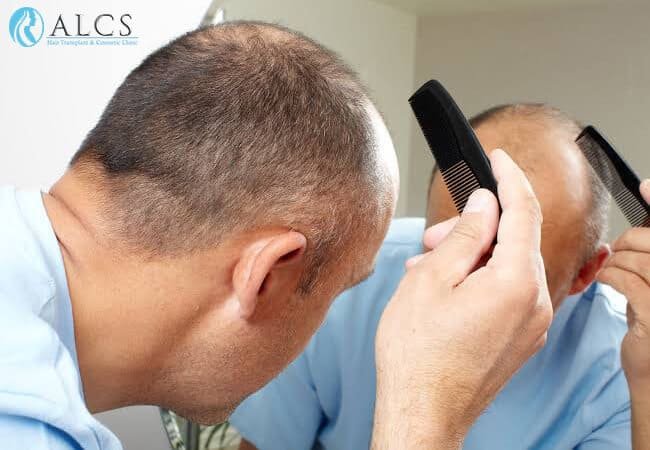
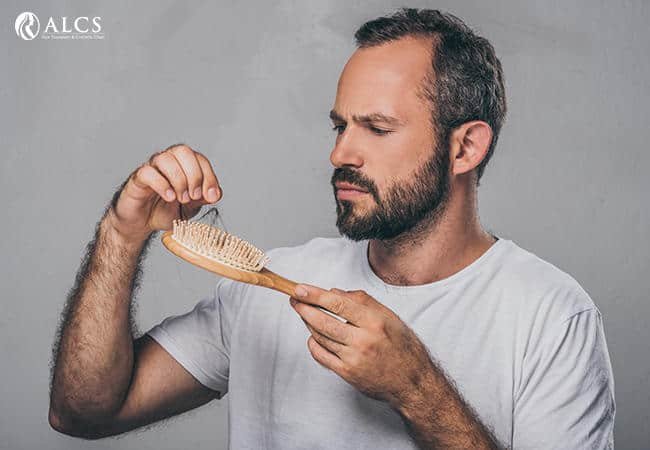
Hair loss can happen to anyone. Although it is more common in men, women can also experience significant hair thinning or bald spots. The condition can result from many factors, including heredity, hormonal changes, stress, and underlying medical issues.
As people age, hair loss becomes more common. Some people choose to accept these changes, while others look for treatments or ways to hide their hair loss.
Understanding the risk factors of alopecia is important for early recognition and proper management. In this article, we explore these risk factors and discuss why they play a role in hair loss. We also highlight simple methods that can help you manage the condition and improve your overall quality of life.
What Causes Alopecia?
Hair loss happens when there’s an interruption in the natural cycle of hair growth. Typically, hair goes through a life cycle where it grows, takes a break, and then eventually falls out to make room for new growth. When something disrupts this cycle, the hair might fall out more quickly than it can be replaced. Let’s break down the main reasons behind this disruption.
Genetic Factors
One of the most common causes of alopecia is something that runs in the family. If your parents or grandparents experienced hair loss, you might be more likely to notice similar issues. This kind of hair loss, often referred to as male or female pattern baldness.
For men, you might see a receding hairline or thinning at the top of the head. Women on the other hand, usually notice that their part becomes wider over time. Although it’s a natural part of aging, knowing that genetics plays a big role can help you understand why it happens and what to expect.
Hormonal Changes
Changes in hormone levels, whether they occur during pregnancy, menopause, or because of thyroid issues, can throw off the delicate balance of hair production. For instance, many women notice that their hair becomes thinner around menopause because of hormonal shifts. Similarly, thyroid conditions can trigger hair loss, making it clear just how influential these hormones are.
Medical Conditions
Certain health conditions can also raise your risk of developing alopecia. For example, autoimmune diseases are conditions where your body’s defense system mistakenly attacks healthy cells—in this case, the hair follicles.
Conditions such as diabetes or lupus may also contribute to hair loss. Even infections and skin disorders, including fungal infections like ringworm, can lead to patchy hair loss.
Stress and Emotional Factors
We all know that stress can affect our bodies in many ways, and hair loss is no exception. Both physical and emotional stress can trigger hair shedding. Imagine going through a sudden shock, a serious illness, or even major surgery.
Your body might react by pushing many hair follicles into a resting phase, leading to temporary hair loss known as telogen effluvium. While this type of hair loss usually reverses itself over time, the experience can be emotionally challenging, and understanding this connection might help you cope better.
Lifestyle and Environmental Influences
The way we care for our hair and the environment we live in can also impact our hair’s health. Think about how often you pull your hair back into tight ponytails or braids, or how frequently you expose your hair to heat from styling tools. These everyday habits can contribute to a type of hair loss called traction alopecia.
Additionally, factors like poor nutrition and exposure to pollutants can weaken your hair, making it more likely to fall out. By adopting gentle hair care practices and eating a balanced diet, you can reduce these risks and keep your hair in better condition.
Types of Alopecia
Alopecia comes in different forms, each with its own set of characteristics. Recognizing these differences is key to finding the right treatment and managing expectations.
Androgenetic Alopecia
This is the most common form of hair loss and is what most people think of when they hear “baldness.” In men, it’s typically known as male pattern baldness, while in women it’s often called female pattern baldness.
Alopecia Areata
Alopecia areata is a bit different because it’s an autoimmune condition. In this case, your immune system, which is supposed to protect you, mistakenly targets your hair follicles. This causes small, round patches of hair loss that can appear on your scalp, face, or even your body.
Alopecia areata can affect anyone, but it’s more common among children and those with a family history of autoimmune issues. What makes it particularly tricky is that the hair sometimes regrows, only to fall out again, making the course of the condition quite unpredictable.
Totalis and Universalis
Sometimes, the autoimmune response is even more aggressive. In alopecia totalis, all the hair on your scalp disappears, while in alopecia universalis, the loss extends to all the hair on your body.
Traction and Frontal Fibrosing Alopecia
There’s also traction alopecia, which is related to the physical stress placed on your hair. If you frequently wear your hair in styles that pull it tight, such as braids or ponytails, you might experience this type of hair loss.
On the other hand, frontal fibrosing alopecia mostly affects older women. It’s characterized by a gradual recession of the hairline at the front of the scalp. The good news is that both of these types can often be managed or even prevented by simply changing your hair care habits and being a little gentler with your locks.
Diagnosis Your Risk
If you start noticing unusual hair loss, it’s important to get a professional opinion. A proper evaluation can uncover the underlying causes and help decide on the best course of action. Typically, the process begins with a physical examination and a detailed review of your medical history. Here are some of the common diagnostic tests used:
- Blood Tests: These tests can reveal hormonal imbalances or nutritional deficiencies that might be contributing to your hair loss.
- Pull Test: In this simple test, a doctor gently tugs on small sections of your hair to see how many strands come out. This helps them assess the stage of hair shedding.
- Scalp Biopsy: In some cases, a small sample of skin from your scalp is removed and examined under a microscope. This can help identify infections or other underlying skin conditions.
- Microscopy: Hair samples are scrutinized using special instruments to look for disorders affecting the hair shaft.
Treatment Options
The good news is that there are several ways to manage alopecia, and the right approach depends on the type and cause of your hair loss. Treatments can range from medications to surgeries and even non-surgical therapies that help encourage hair regrowth. Let’s explore some of these options.
Medications
For many people, medications are the first step in combating hair loss. Over-the-counter solutions like minoxidil are widely available and are known to help promote hair regrowth.
Typically, you’d apply this solution to your scalp once or twice a day, and while visible improvements might take several months, many find it worth the wait. In some cases, oral medications that adjust hormone levels are used to treat specific types of alopecia, tailoring the approach to the underlying cause.
Surgical Options
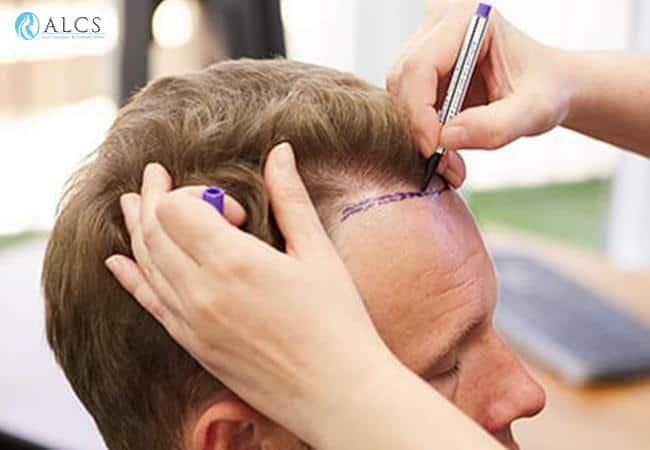
If your hair loss is more permanent, you might consider hair transplant surgery. This procedure involves taking hair from an area of your scalp with good density and relocating it to the thinning or bald spots.
Non-Surgical Therapies
In addition to medications and surgical methods, there are non-surgical therapies that have shown promise. One such method is low-level laser therapy, which uses light energy to stimulate hair follicles.
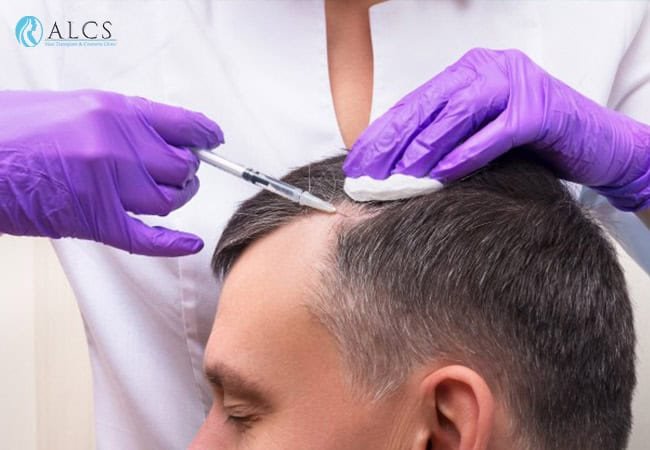
Another innovative treatment is platelet-rich plasma (PRP) therapy. In this process, your own blood is drawn, processed, and then injected into your scalp to encourage hair growth. These methods can be especially appealing for those who are not ready for surgery.
Lifestyle and Cosmetic Solutions
Sometimes, managing hair loss doesn’t necessarily mean reversing it. Many people find that changing their hair care routine and using cosmetic solutions can go a long way toward feeling more confident.
For example, using gentle shampoos, avoiding excessive heat from styling tools, and choosing hairstyles that don’t tug at your hair can all help reduce further damage. If you have noticeable bald spots, you might explore options like stylish hats, scarves, or even makeup designed to mimic the appearance of hair.
Conclusion
If you ever notice unexpected hair loss, don’t hesitate to seek professional advice. An early diagnosis can make a huge difference. Whether you opt for medications, non-surgical therapies, or even surgery, the key is to stay informed and proactive about your hair health. And remember, sometimes the journey to accepting or even overcoming hair loss starts with simply understanding what’s happening and knowing that you have options.