Deciding to undergo a hair transplant procedure can be a nerve-wracking yet exciting decision. While undergoing such a hair restoration procedure, it is essential to make sure that everything goes smoothly and you come out of the system with the most desirable result. With this in mind, in this article, we will be looking at how to make sure that you get the best quality hair transplant that is not only for your money, but you can also achieve the most desirable result.
How can you choose the perfect hair transplant clinic
Before selecting an experienced surgeon for undergoing a hair transplant procedure, it is essential to consider the following points-
Check for the reviews and testimonials from previous patients- These will give you a real idea of what the clinic is like and how it treats its patients. On monitoring the reviews, you can get an estimate of how the hair transplant procedure might end.
News or articles about the clinic- Most of the clinics will transfer some positive reviews to ensure a good ranking of the clinic. But it would help if you found out what negative reviews are assess based on both the positive and negative reviews.
Choose a clinic that is close by but also has a strong reputation- Don’t just choose a hair clinic near your home. The ALCS clinic in Jaipur provides FUE Hair Transplant as well as various other procedures. But most importantly, we do have an excellent reputation with our clients, and we are also capable of providing top quality services to every patient.
How to mark an unqualified and inexperienced hair surgeon?
Sometimes it becomes challenging to identify an inexperienced and unqualified surgeon. However, at times the surgeon may be the first one to disclose the truth. So before finally deciding to undergo a hair restoration procedure, you must make sure that you remain to meet with the surgeon who will perform this procedure and can provide you with a proper answer to all your questions. While you are consulting with your hair surgeon, you are allowed to ask all your queries, which is the easiest way to catch out to the potential unqualified surgeons. You are also free to ask questions like-
From where did you receive your qualification?
How long have you been practicing a hair transplant procedure?
Can you show me any before-after results of your past patients?
Conclude from your consultations
Above mentioned are some of the questions that you must ask your surgeons whom you should think of asking while attending your initial consultation. By utilizing this time, you must gather as much information as possible by asking questions to the hair surgeon. Well, this may not put your mind at ease. But it may also help the surgeon to understand what are your goals and motivations.
Keeping in mind all this, our ALCS clinic offers consultation to all of our clients to make sure that the patients feel comfortable and confident with their decision. We strongly recommend you to book a meeting with us even if you have started to plan to undergo a hair transplant procedure. It is evident that you want to accomplish the perfect results, but that mostly depends on a few factors. Firstly, you need to know what is realistically possible, and you must set your expectation based on that. Any experienced surgeon can assess your situation and not only offer you the best type of hair transplant procedure, but it will also provide you a better idea of what result is expected.
You can book a consultation here at the ALCS clinic if you are now trying to find the best hair transplant clinic or surgeon in Jaipur. Our team of surgeons and medical staff are well qualified and holds several years of experience in this field. We also provide the best treatment at the most competitive rates. Also, our ALCS clinic uses world-class modern technologies and infrastructure for your treatment. The clinic staff ensures that the patients feel relaxed and comfortable while undergoing a hair transplant procedure. Last but the most crucial one, our clinic always utilizes the best world-class modern technologies and infrastructure for performing the treatment procedures safely.
Whether you are a man or a woman, it is a universal fact that nobody can escape the effects of time. This is why it is rather obvious that there will come a time when your body would change. Some of those changes include the stretching of the body, the skin losing its elasticity, the skin descending, and the loosening of the skin and tissues of the face. All these changes profoundly affect the contouring of the face and the body. Sadly, these effects become more prominent in men as they age. Most of these changes show up in the areas of the chest, abdomen, and the juncture between the neck and the jaw. Because of all this, it seems rather reasonable that men would want to reverse these effects. And what better way to achieve that then to opt for safe and efficient cosmetic male body contouring surgery options?
We at ALCS Clinic understand this requirement. This is why we have made it our aim to provide all our patients with the best and safest cosmetic procedures. These cosmetic procedures are primarily aimed at bringing the expectations and desired outcomes of our patients into the real-world setting. When it comes to reducing fat and tightening extra skin then, there are both surgical and nonsurgical cosmetic procedures that act as better and safer options. There are also many medical experts who believe in using a combination of both these surgical and nonsurgical options to treat the face and body contouring issues that men face all across the globe. On top of this, modern male body contouring techniques further only require a less amount of downtime to recover. This is what makes these procedures ideal for men who are always on the go and do not have a lot of time to spare.
Things to Consider Before Getting a Male Body Contouring Procedure
If an individual wants to get a male body contouring surgery done then there are many things that one needs to consider. The first thing that the individual would have to ensure is that he or she should be in contact with a board-certified cosmetic surgeon. It is suggested that one should make sure that the cosmetic surgeon is able to understand the condition and the results that the individual wishes to achieve before getting any type of surgery done. The cosmetic surgeon should also have a good amount of experience and should also possess the required skills to deliver efficient body contouring results.
After that, the individual would have to choose between opting for a surgical body contouring procedure or a nonsurgical body contouring procedure. Depending on the exact requirement and the results that one desires to achieve, the medical expert would suggest one of these options. If the medical expert suggests opting for a surgical procedure then one would also have to choose between the different types of anesthetic procedures. Further, there are many other considerations and decisions that one would have to make as the process of getting a body contouring surgery proceeds. One should also learn about the male body sculpting surgery cost.
The Nonsurgical Options Available for Tightening the Abdomen of Men
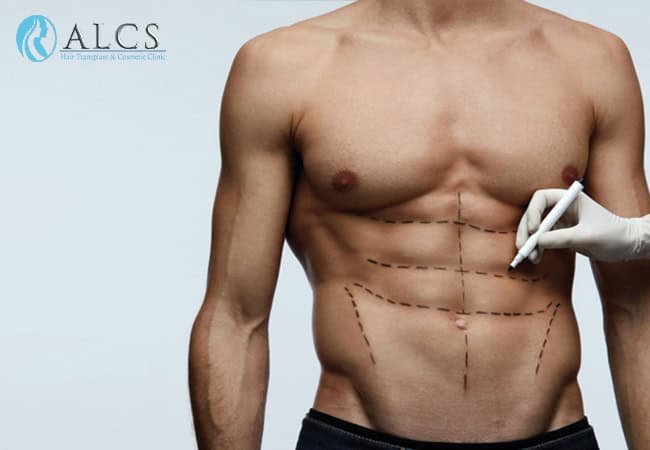
According to various reports and surveys, the abdomen is one of the primary concerns of men when it comes to their bodies. There are also many men who wish to achieve a flat and taut abdomen that comes with a set of visible abdomen muscles. This type of shape of the abdomen is also known as a ‘six-pack’. Sadly, as men become older they eventually develop a gut irrespective of the fact that they might exercise harder and for a longer period of time. The constantly changing diet and eating habits can also affect the ability of a man to achieve those highly sought six-pack abs. Thankfully, the extra fat that is located on the outside of the abdominal wall can be treated. There are also surgical and nonsurgical methods for treating that fat. And the nonsurgical options are mentioned below.
SculpSure
CoolSculpting
In both of these procedures, the medical expert proceeds to destroy the fat cells present outside the abdominal wall with the help of heat or cold. After these cells are destroyed, the human body works to eliminate those cells through the metabolic and lymphatic systems. Both of these procedures are incredibly effective, fast, and versatile. Though, to get the desired results one would have to opt for multiple treatment schedules. These treatment schedules are usually separated 6-8 weeks apart. This helps in getting the best possible results. These treatment procedures can help in reducing the targeted amount of fat by about 20%!
The Surgical Options Available for Tightening the Abdomen of Men
When it comes to surgical options available for tightening the abdomen of men then liposuction is often considered to be the gold standard. Liposuction is also one of the first treatment methods that one can come across if he or she searches for ‘body contouring men’ on the local search engine. This surgical procedure is more aggressive but is also more efficient. With the help of this procedure, the medical expert can even re-sculpt the entire body.
To further increase the efficiency of this procedure, there are many medical experts who also believe in taking advantage of laser technology. In the correct patient, this procedure can even reveal the hidden six-pack abs. The recovery time can also vary but it usually lasts for around 6 weeks. However, it is also recommended that one should wear a compression garment to aid in getting better contouring and skin tightening results.
Get a Flatter Chest With the Help of Gynecomastia
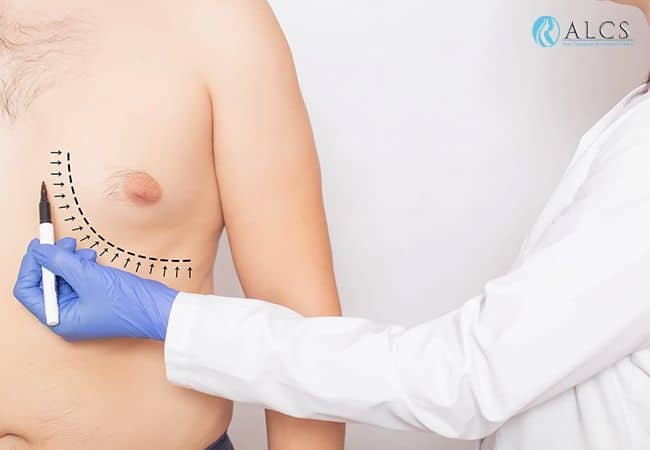
Men are also often worried about their chests. And sadly, some men have some sort of fullness in their chests. This fullness is mainly caused due to the presence of an extra amount of glandular tissues, fat, or even a combination of both fat and tissues. This condition is known as gynecomastia. And correcting this medical condition also falls under the category of body contouring. According to experts, this procedure for body contouring men can be difficult. But the gynecomastia surgical cosmetic procedure can help a man in getting the best results. There are various procedures that can be followed to perform gynecomastia surgery. The selection of the exact procedure would primarily depend on the exact cause of this medical condition. For example, if a man is suffering from gynecomastia due to the presence of too much fat then a liposuction treatment is often the best choice. Reducing the extra fat and sculpting can also trim the chest area and provide a more masculine look. This surgical procedure can be done under the presence of a local anesthetic with a limited amount of recovery and downtime.
On the other hand, if gynecomastia is caused due to the presence of an extra amount of glandular tissues and fat at the same time then, the extra glandular tissues have to be surgically removed. This would allow the individual to have a smooth and flat chest that he might have always desired. There are also various options for the placements of incisions in this case. The amount of breast tissues that one wants to get rid of would determine the placements of the incisions.
It is rather obvious that one might also be plagued with the idea of scars in this case. This is why it is suggested that one should only opt for the services of an experienced cosmetic surgeon. This is mainly due to the fact that experienced cosmetic surgeons know just where they need to make the incisions so that the scars are as hidden as possible. In cases where men also have an extra amount of loose skin in tow with extra muscle glands and skins then, it is also important for the medical expert to remove and adjust the skin of the chest area as well.
Getting that Crisp Jaw Line that You Have Always Dreamed About!
Every man wants to have a crisp jawline as it provides them with a youthful appearance. There are many men who are not even born with that kind of jawline and some men who lose this gorgeous jawline with age. This is because of the fact that the area under the chin is one of the major spots for men to accumulate extra fat. This extra amount of fat can make one look overweight and dumpy even when one is not. Thankfully, with the help of CoolSculpting and SculpSure men can get rid of this extra fat in a noninvasive and nonsurgical method. There is another effective method that is known as Kybella. In this method, some substance is injected under the skin. This method targets the fat present under the chin.
If a man has a lot of extra fat present then liposuction is often the right way to go. If the skin elasticity of a man is still good and working optimally then these procedures can be provided without any additional procedures. However, if a man suffers from a lack of skin elasticity then he or she would also require a skin tightening procedure like ThermiRF along with these body contouring procedures. During the method of ThermiRF, the medical expert uses radiofrequency energy to heat up a tissue to form a controlled injury. This causes the body to produce more elastin and collagen. This results in an individual achieving tighter, smoother, and youthful-looking skin. Hence, if you are a man who wishes to make all his dreams come true and achieve a new level of confidence then you should contact the best cosmetic surgeons at ALCS Clinic now!
सबसे पहले मन में सवाल उठेगा कि गाइनेकोमास्टिया क्या है ? तो आपको बता दें कि गाइनेकोमास्टिया एक ऐसी स्थिति होती है जिसमें लड़को या पुरुषों के स्तन के टिश्यू में सूजन आ जाती है। यह तब होता है जब व्यक्ति के शरीर में पाए जाने वाले दो हार्मोन असंतुलित हो जाते हैं। अगर फैट जमा होने के कारण स्तन बढ़े हुए हैं, तो यह एक अलग स्थिति होती है जिसे “स्यूडोगाइनेकोमास्टिया” कहा जाता है।सामान्यतः उस तरह से पुरुषों में स्तन नहीं बढते हैं जैसे कि वे महिलाओं में बढ़ते हैं। सभी लड़कों में स्तन टिश्यू की थोड़ी सी मात्रा जन्म से ही होती है। उम्मीद है अब आपको प्ता चल गया होगा कि गाइनेकोमास्टिया क्या है।
लड़कों का शरीर सामान्यतः टेस्टोस्टेरोन नामक हार्मोन बनाता है, जो कि उनके शारीरिक विकास को दर्शाता है। लेकिन पुरुष थोड़ा एस्ट्रोजन भी बनाते हैं। एस्ट्रोजन हार्मोन लड़कियों में यौन विकास को बढ़ाता है। जब एक लड़का अपने यौवन से गुजर रहा होता है तो कभी कभी हार्मोन का संतुलन बदल जाता है और एस्ट्रोजन हो जाता है। कभी-कभी ऐसा होता है कि एस्ट्रोजन का अधिक होना पुरोषों में स्तन टिश्यू में सूजन का कारण बनता है। लगभग आधे किशोर लड़कों और 50 वर्ष से अधिक उम्र के दो-तिहाई पुरुषों में यह होता है।
गाइनेकोमास्टिया लक्षण
गाइनेकोमास्टिया क्या है जानने के बाद सबसे पहले उत्सुकता होती है कि इसके लक्षण क्या है। गाइनेकोमास्टिया का सबसे पहला लक्षण निप्पल के नीचे फैट के टिश्यू की गांठ की गांठ का मिलना हो सकता है। कभी-कभी यह गांठ मुलायम या पीड़ादायक भी हो सकता है। इससे आपको यह भी शक हो सकता है कि आपको स्तन कैंसर है जो कि पुरुषों को बहुत कम संख्या में होता है। Gynecomastia सामान्यतः कैंसर का संकेत नहीं होता है, लेकिन डॉक्टर कैंसर के शक को दूर करने के लिए कुछ टेस्ट कर सकता है। स्तनों में सूजन कई बार दोनों स्तनों में समान रूप से नहीं होती है, जिसमें एक स्तन दूसरे से बड़ा हो जाता है। अपने चिकित्सक को जरूर दिखाएं अगर आप यह महसूस करते हैं कि आपके स्तनों में सूजन है या यह बहुत दर्दनाक हैं, या एक या दोनों स्तनों के निप्पल से कुछ लिक्विड निकल रहा है अब आप जान ही गए है गए है कि गाइनेकोमास्टिया क्या है और उसका लक्षण क्या है।
गाइनेकोमास्टिया होने के कारण
गाइनेकोमास्टिया क्या है और उसके लक्षण क्या जानने के बाद आप जरूर जानना चाहेंगे कि यह किन कारणों से होता है। बहुत सी चीजें हार्मोन के असंतुलन को बढ़ाती हैं जो कि पुरुषों में स्तन की वृद्धि का कारण बनती हैं पर इस स्तन की वृध्दि का कोई कारण नहीं पता चल पाता है। उम्र बढ़ने के साथ शरीर में बदलाव के साथ साथ कुछ और चीजें भी गाइनेकोमास्टिया का कारण बन सकती हैं जैसे
कोई चोट या को रोग जब अंडकोष को प्रभावित करता हैं, तो हार्मोन प्रभावित होता है।
थायराइड की समस्या से भी हार्मोन प्रभावित रहता है और विकास को प्रभावित करता है।
कई प्रकार के कैंसर, जिनमें फेफड़े, पिट्यूटरी ग्रंथि के ट्यूमर होने की सम्भावना से भी हार्मोन प्रभावित होते हैं।
मोटापा होने के कारण भी अधिक एस्ट्रोजन हो सकता है।
अनाबोलिक स्टेरॉयड, मारिजुआना और हेरोइन सहित अवैध दवाएं लेने से भी अधिक एस्ट्रोजेन हो सकता है।
गुर्दे के खराब होने के कारण भी हार्मोन बढ़ सकता है।
दिल की बीमारी के कारण भी हार्मोन प्रभावित हो सकता है।
कुछ बच्चों को थोड़े समय के लिए गाइनेकोमास्टिया हो सकता है जब उनकी माँ के हार्मोन उनके शरीर में होते हैं।
कुछ प्रकार की दवाएं गाइनेकोमास्टिया का कारण बन सकती हैं, जैसे:
एंटी-एण्ड्रोजन- ये ऐसी दवाएं हैं जो बढ़े हुए प्रोस्टेट कैंसर के इलाज में काम आती है और यह भी हार्मोन के असंतुलन का भी कारण होती है।
अनाबोलिक स्टेरॉयड और एण्ड्रोजन- एथलीट कभी-कभी अपने प्रदर्शन को और बेहतर बनाने के लिए इन दवाओं का इस्तेमाल करते हैं। कुछ शर्तों के लिए दवाओं के वैध उपयोग भी हैं।
एचआईवी की दवाएं- Gynecomastia कभी-कभी एचआईवी के इलाज का एक साइड इफेक्ट हो सकता है।
दिल की दवाएं- डिगॉक्सिन (लैनॉक्सिन) और कैल्शियम चैनल ब्लॉकर्स जैसी दवाएं भी कभी-कभी गाइनेकोमास्टिया का कारण बन सकती हैं।
पेट को साफ करने के लिए इस्तेमाल की जाने वाली दवाएं जैसे मेटोक्लोप्रमाइड (रेगलन) लेने पर एक साइड इफेक्ट के रूप में गाइनेकोमास्टिया हो सकता है।
अल्सर की दवाएं- कई दवाएं जो कि आप अल्सर के लिए इस्तेमाल करते हैं तो गाइनेकोमास्टिया का कारण बन सकता हैं, जैसे कि सिमेटिडाइन (टैगामेट एचबी)। कुछ एंटीबायोटिक्स भी गाइनेकोमास्टिया होने के कारण बन सकते हैं। आप यह जान ही गया हैं कि गाइनेकोमास्टिया क्या होता है और यह किन कारणों से होता है।
गाइनेकोमास्टिया के इलाज
यदि आपके डॉक्टर को लगता है कि आपको गाइनेकोमास्टिया है, तो वह यह जांच करेंगे कि ये गाइनेकोमास्टिया ही है। डॉक्टर आपसे आपकी पिछली बिमारियों के बारे में कुछ पूछ सकते हैं जैसे –
क्या आपको गले की बीमारी, गुर्दे की बीमारी, या जिगर की बीमारी हैं?
आपने कौन कौन सी दवाएं ली हैं – कहीं वो आपके स्वास्थय के लिए हानिकारक तो नहीं है?
डॉक्टर आपको कई टेस्ट करवाने के लिए भी कह सकते हैं जैसे:
ब्लड टेस्ट या यूरिन टेस्ट
मैमोग्राम
बायोप्सी
सीटी स्कैन
एमआरआई
अल्ट्रासाउंड
गाइनेकोमास्टिया का इलाज क्या है?
सामान्यतः इसमें किसी इलाज की ज़रुरत नहीं होती है। गाइनेकोमास्टिया के ज्यादातर मामले समय के साथ ही कम होते जाते हैं। पर अगर यदि कोई समस्या है जिसके कारण गाइनेकोमास्टिया हो रही है तो दवाएं देने की ज़रुरत महसूस हो सकती है। अगर यह किसी दवा के कारण हो रहा है तो डॉक्टर इसे बंद करने के लिए भी कह सकता है या उसकी जगह कोई दूसरी दवा लिख सकता है। डॉक्टर एंडोक्रिनोलॉजिस्ट को दिखाने का भी सुझाव दे सकता है। सामान्यतः इसमें सर्जरी की सिफारिश तब तक नहीं की जाती है जब तक कि गाइनेकोमास्टिया किसी गंभीर दर्द में नहीं बदल जाता है या देखने में बुरा नहीं लगता है।
जिस भी व्यक्ति को इससे समस्या हो रही है उसे तुरंत डॉक्टर से सलाह ले लेनी चाहिए। Gynecomastia कभी कभी व्यक्ति को बुरा अनुभव भी से सकता है और कपड़ा बदलते समय भी आपको शर्मिंदगी का सामना करना पड़ सकता है। यह कई अन्य लोगों में चिंता, तनाव या डिप्रेशन का खतरा भी पैदा कर सकता है। काउंसलर से बात करने से भी इसमें मदद मिल सकती है। कई अन्य बिमारियों के कारण भी आपको लगेगा कि आप गाइनेकोमास्टिया से पीड़ित है पर वो गाइनेकोमास्टिया नहीं होता है। उनमें शामिल है –
स्तन कैंसर
वसायुक्त स्तन टिश्यू
कुछ मामलों में डॉक्टर आपको कई तरह की सर्जरी कराने की भी सलाह दे सकता है। इसमें शामिल है:
लिपोसक्शन
मास्टेक्टॉमी
गाइनेकोमास्टिया का रोकथाम
गाइनेकोमास्टिया से बचने के उपाय
गाइनेकोमास्टिया क्या होता है जानने के बाद आइए आपको बताते है कि गाइनेकोमास्टिया से बचने का उपाय क्या है –
अनाबोलिक स्टेरॉयड, एण्ड्रोजन, एम्फ़ैटेमिन, मारिजुआना, या हेरोइन जैसी नशीले पदार्थों का सेवन न करें।
शराब न पिएं या बहुत कम पिएं।
गाइनेकोमास्टिया अगर किसी दवा के कारण हो रहा है तो तुरंत डॉक्टर से बात करें।
गाइनेकोमास्टिया से होने वाली जटिलताएं
Gynecomastia का व्यक्ति के मानसिक स्वास्थ्य पर भी बुरा प्रभाव पड़ सकता है। इससे आप शर्मिंदा भी महसूस कर सकते हैं या इसके बारे में बहुत अधिक टेंशन भी ले सकते हैं। इन चीजों को खत्म करने के लिए आप खुद से भी प्रयास कर सकते हैं। अपने परिवार में और करीबी दोस्तों से भी बात करते रहें। वे आपको सबसे अच्छी तरह से जानते हैं और समझते हैं। वो आपको भावनात्मक रूप में समर्थन दे सकते हैं जिसकी आपको जरूरत है।
आपको टेंशन से निकालने में सहायता समूह भी मदद कर सकते हैं। आपको उन लोगों से मिलना चाहिए जिन्हें पता है कि इस स्थिति में क्या करना चाहिए। आप अपने डॉक्टर से भी पूछ सकते है। आप सबसे अच्छे डॉक्टरों से मदद लेने के लिए ALCS Clinic में अपॉइंटमेंट भी बुक कर सकते हैं।
The essential aspect of a hair transplant that is intriguing to most people out there is the results after getting one – can it make the hair look natural? The answer is quite apparent. Yes, the transplant technique used ensures natural looks. A hair transplant that provides you with natural-looking results hinges on several factors, which comprise the donor’s hair condition, quality of the transplant technique, the surgeon and others. Nobody would want to spend bucks for a life-altering hair transplant, only to be disheartened with the aftermath. In this article, we will get you through some of the methods you can make sure you get flawless, natural-looking hair and what questions you can consider asking to guarantee you get top-notch care.
Choosing the best clinic and surgeon
Aforesaid, your results will solely depend on the quality of the professional surgeon and the procedure. Therefore, it’s vital to choose the best clinic and surgeon. Many hair transplant surgeries are performed by unqualified surgeons that end up with disasters. To make sure that doesn’t happen to you, run a background check of the surgeon you are opting for – his schooling, his medical degree, or any sort of malpractice. To obtain the favourable outcomes possible, selecting the right clinic is all the more critical. You need experienced hands and quality care without which you won’t get the results you want. Research about the clinic as well. Get an all-encompassed idea about the quality of service, read patient reviews and testimonials. Hair transplants (just like skin transplants and others) is a medical procedure only to be performed by qualified doctors. AHRS (Association of Hair Restoration Surgeons) in India is the official association of doctors who can perform hair transplant surgeries.
Membership of AHRS is significant for the doctors in the surgery line. Only qualified doctors can be members of the association. It enforces specific regulations that the doctors have to obey to ensure strict ethical and safety measures are being followed. Once you are done with all the research, ask the doctor if s(he) has the above qualifications. Aforementioned is one of the most critical issues a patient should inquire of the doctor. A doctor with the above-mentioned medical degree is only legitimate enough to perform hair transplant surgeries.
Making sure you have the right donor area.
It’s your doctor’s responsibility to get you through all the surgery aspects – whether or not you have a suitable donor area. This plays an extremely crucial role when you are attaining a hair transplant surgery. Without proper knowledge and consultation, you won’t receive the outcomes that you are wanting. And so, make sure you retain a nice contributor area. Ask your surgeon about the results you’d get given the quality of the donor. Ask about the quality of the donor hair follicles and how they are transplanted. The fundamental facet in hair transplants of MPB (Male Pattern Baldness) is the donor area’s supervision, appropriate estimation, the planning and plotting of the recipient area by contemplating long-term improvement.
Ask whether you can expect to have permanent coverage after the transplant. A safe donor area is when you can expect the hair would last a lifetime when transplanted to the recipient area. For that, you need an adequate supply of healthy hair follicles and thicker hair strands. Ensure the doctor is skilled enough to transfer hair to the affected area from one area in the scalp. These are some little things you expect to preserve in your mind. However, your doctor can only give you an accurate description of how your hair will look at the end. They will not be able to scrutinise the exact results whatsoever. But they can inform you about your likelihoods of getting that final hairline.
Aftercare and Styling
Once you are done with the surgery, it is on you – how you maintain and take care of your hair. Aftercare is essential to make the hair look as natural as ever. Use subtle and organic shampoo. Use the right hair care products and deter from using chemicals onto your new hair, and you are good to enjoy natural hair for lifetime!
Rhinoplasty or Nose job is a nose reshaping procedure that enhances the overall facial features and brings your nose in proportion. This surgical procedure can rectify nasal elements and bring your nose in the right balance. However, this is a surgical method and can also improve your reduced breathing that is caused by structural deformities in the nose. But before deciding to undergo a Rhinoplasty procedure, make sure that you choose to undergo this elective process very wisely to reshape or resize your nose. However, Rhinoplasty can correct the following nose concerns-
When the bridge of the nose is exceedingly wide or flat-
Many ethnicities possess a wide nose or flat nose across the bridge, which can be repaired by a Rhinoplasty procedure.
Asian Rhinoplasty surgery is capable of reducing the width of the nasal bridge by modifying the tip of the nose or improving the base of the nose.
This procedure is most frequently used for a flat or low bridge that is popular as Augmentation Rhinoplasty and may even involve bridge implants.
After the nose bridge augmentation surgery, most of the patients usually notice a significant improvement in the overall nasal contour and experiences an altered facial appearance.
But you must be aware of the entire healing process that may take up to a year or more before the related swelling will disappear completely.
When a nose has a sizeable Bulbous Tip
Some patients often complain about having a rounded and bulbous nose tip that occurs due to the shape of the lower lateral cartilages.
In case you have a bulbous nose tip, it can make your nose look extremely big and full.
A bulbous or rounded nasal tip can be enhanced by improving the shape of the side-lower cartilage and will help you to accomplish a triangular nasal appearance.
When the nose is too big or too long
When a person has a huge and long nose, then it can become the focus the unwanted attention or even bullying.
A large or a long nose can give rise to extreme self-consciousness and may cover up the other facial features.
Often people suffering from such conditions may choose to undergo a complicated Rhinoplasty procedure that involves reducing the nasal tip to make it a compact and smaller one.
When the nose is too pointy for the patient
A pointy nose is often the result of projecting nasal septum cartilage or excess cartilage at the tip of the nose.
The reduction of this cartilage through nose reshaping surgery is usually quite active over the longer term once the swelling resolves.
Rhinoplasty can effectively improve a pointy nose by diminishing the size of the nose. Often the round tip of the nose is also refined to produce the best appearance and improves the overall facial symmetry.
The downtime involved is not very long.
When the nose is crooked
A crooked nose can be the result of injury or facial trauma during the birth
It may also stem from some heredity factors, including a potential overgrowth of cartilages and bones that ends up pulling the nose apart.
Nasal asymmetry is another problem that needs to be solved.
The nasal bones are tweaked proficiently to repair a crooked nose.
This is a relatively complex and invasive procedure in comparison to Tip Rhinoplasty or Bridge Augmentation.
When the nose has a prominent hump of nose-bridge bump
The nasal humps can significantly vary in size, detract from the rest of the face, and draw attention from eyes.
When consulting with your specialist Plastic surgeon, it is essential to communicate the amount of reduction you want in the hump.
Some patients may also prefer to eliminate the hump to make the bridge of the nose completely straight.
How to prepare before going ahead with Nose Surgery?
Before undergoing hair transplant surgery, it is essential to keep a realistic expectation from the procedure. You must also make sure the reason you are choosing to under this procedure, and you must be confident about selecting the surgery for yourself. It is also extremely crucial to find a plastic surgeon who is qualified and holds several years of experience in his field.
If you have undergone hair transplant surgery, you may be looking for aftercare tips. When you don’t follow hair transplant aftercare tips suggested by your healthcare provider, you may mess up the surgery results. You can have a look at the following aftercare tips to get optimal results.
Hair wash
Proper hair wash can limit the damage to the transplanted hair. It is a crucial hair transplant aftercare tip that can influence the results of hair transplant surgery. You can wash your hair by following these steps:
Cover the transplanted hair with oil or lotion and leave it for 15-20 minutes. It softens the scabs and removes dried blood from the scalp. Wash your scalp with warm water by using special medical shampoo. Apply the shampoo gently on your scalp without rubbing or putting pressure.
Pat your scalp gently with a paper towel. Use a moisturiser on your scalp until the scabs fall off your scalp.
Shampoo your hair daily to remove the scabs and dried blood. You can do it for 7-10 days, and after 14 days, you can shampoo your hair as you like.
Always use medical shampoo on your scalp. If you use other hair care products, make sure they don’t contain silicone, perfume, and dyes. Again, it would be best to consult with your doctor.
Correct sleeping position
It is recommended not to apply pressure on the hair transplant site. You can keep your head elevated while sleeping. Use a few pillows to raise your head. You may use special pillows for the first 7-10 days after surgery. You can get these pillows from the hospital or clinic where you have undergone surgery. Do not apply excess pressure on your head, and make sure to follow this hair transplant aftercare tip precisely as suggested by your doctor.
Healing and recovery time
If you have undergone Follicular Unit Extraction, the healing is faster. You may experience numbness or soreness in the transplanted area, but that will recede with time. The visible scars will reduce after 7-10 days, and you may gain your normal appearance in about 10-15 days. Some patients may experience redness in the donor area.
Shaving after hair transplantation
It is recommended not to shave the transplant site for at least a month. You can shave the donor area after a week of operation. It is essential to note that the scabs in the donor area have cleared out before shaving.
Shock loss and re-growth of transplanted hair
You may lose some of the transplanted hair during the first 3-4 weeks. However, the lost hair starts to regrow after the 3rd month, and the re-growth rate stands at 30% at the end of the 5th month. After seven months, the re-growth rate rises to 60%. Thus, you can evaluate the success of the process after a year of operation.
Wearing hair accessories
Choosing the right hat for your scalp is the most crucial hair transplant aftercare tip. It is recommended to wear a hat while going out in the sun. The cap protects your scalp from dust, sun rays, and other pollutants. In addition, the surgeon may provide you with a Panama-type hat. You are recommended to use that hat for the first five days after the operation. While choosing a new hat, it is recommended to use one that is not too tight on your scalp.
Physical activity
You can opt for light physical exercises or long walks. You can start regular workouts after ten days of the surgery. Take a shower after your workout routine to reduce the chances of infection in the hair transplant site. It is one of the most vital hair transplant aftercare tips that can help eliminate infections.
Scalp micro pigmentation and hair restoration
If you want to manipulate your scalp condition somehow, it is recommended to wait for at least three months after the surgery.
Alcohol consumption
Alcohol consumption lengthens the healing period. It is recommended not to sip alcohol for at least two weeks after surgery. Limit your alcohol consumption while you follow hair transplant aftercare tips.
Sun exposure
It is recommended to avoid sunlight in the first two weeks of the surgery. When you need to step out in the sun, use headwear to cover your scalp. Cover your head for at least six months whenever you are faced with direct sun exposure after the surgery. These are a few hair transplant aftercare tips that you can follow to get the best results. In addition, you can choose ALCS Clinic for your hair transplant surgery.
It is a commonly known fact that almost everybody wishes to have a flat and properly toned abdomen. No matter whether you are a man or a woman, you would always try your best to work as much as possible to achieve this aim. Many individuals try to achieve this with the help of exercises and exercising proper weight control. Sadly, these methods do not always work and sometimes, people even with normal body weight and proportions have loose and saggy tummies. This is why many often turn to a tummy tuck treatment.
The tummy tuck surgery is a medical cosmetic procedure that allows an individual to remove the extra amount of skin and fat from the tummy or other nearby areas of the body. The tummy tuck surgery is also known as Abdominoplasty. This cosmetic surgery procedure can also allow an individual can restore the condition of the weakened or separated muscles of the abdomen. This is done by creating a smooth and firm abdominal profile. There are also many causes why one might get a sagging and lose tummy. And some of those reasons include aging, heredity, pregnancy, going through some previous surgery, and major fluctuations in weight within a relatively short period of time.
Who are the Best Candidates for a Tummy Tuck?
If you wish to get a tummy tuck procedure done then it does not matter whether you are a man or a woman, you only need good health to be an ideal candidate for this cosmetic surgical procedure. This means that this cosmetic surgical procedure can also be chosen by women who might be suffering from loose abdominal muscles and skin plasticity because of going through multiple pregnancies. A man or a woman can also get this surgical procedure done if he or she has been obese in the past and still has some extra loose skin and fat deposits around the belly that he or she wants to get rid of. Another great feature of this cosmetic procedure is that the overall tummy tuck recovery period is also rather short in comparison to other cosmetic surgical procedures.
Tummy Tuck Surgery Cost in Jaipur
There are various factors that can have a strong effect on the overall cost of a tummy tuck procedure. Some of those factors include the kind of hospital or clinic that has been selected by the individual, the medical expert or surgeon who is performing the cosmetic surgery, the exact procedure that is followed during the surgery, the type of anesthetic used, the kind of post-operative care the individual might have selected for himself or herself, and many other factors. Because of this, it is rather impossible to pick some sort of exact price or cost of a tummy tuck. However, an estimate of the average cost can be provided.
And according to experts, a tummy tuck cosmetic surgery can cost anything from 1,35,000 INR to 3,10,000 INR. These average prices are some of the lowest in the entire country! This is why if you want to get a tummy tuck done then it is best to head on to Jaipur to get that procedure. We also suggest that you should only get this procedure done at ALCS. At ALCS you can always rely on to receive the highest quality treatment at a price that is bound to not hurt your pocket. On top of that, they have some of the best medical experts on their teams who go the extra mile and make sure that all patients only get the best treatments. It is also important to learn about the average tummy tuck recovery time period.
Preparations for a Tummy Tuck Surgery
If you are a woman who still wishes to have more children and get pregnant in the near future then it is strongly suggested that you should not opt for this surgical procedure. The primary reason behind this suggestion is that it would simply undo all the work that has been done by the medical expert during the surgical procedure. For similar reasons, a tummy tuck should also be avoided if one is planning to lose a lot of weight. However, if you fit into the role of the ideal candidate for this surgery and want to go ahead then there are also some preparations that you would have to do before you can get the actual surgery done. A list of those preparations is mentioned below.
The first thing that you need to do is to find a medical expert who can help you in getting the results that you want from a tummy tuck cosmetic surgery
Once you have the right medical expert then, it is important for you to talk to him about your options. When it comes to tummy tuck then, there are primarily two different types of options. Those options are mentioned below.
Mini Abdominoplasty or Partial Abdominoplasty: If the major amounts of your fat deposits are located below the navel then you should go with this procedure. In most cases of mini Abdominoplasty, the surgeon does nothing to remove the navel of the individual and the surgery can take around 2 hours to complete. Though, it is important for an individual to remember that these factors can change depending on the exact situation of the patient
Complete Abdominoplasty: In this procedure, the medical expert begins by cutting the abdomen of the individual from one side of the hipbone to the other side of the hipbone. After that, the skin, muscles, and tissues of the individual are toned as per the requirement set by him or her. This procedure often requires the surgeon to move the belly button and drainage tubes are also inserted under the skin of the individual for a few days. The recovery after tummy tuck in these cases usually takes longer.
The individual must stop smoking for at least two weeks before the surgery and 2 weeks after the surgery
One should avoid getting into any drastic diets before the cosmetic surgery
To better prepare for the surgery and to also aid in the recovery procedure, one must consume a healthy and well-balanced diet
It is also ideal for an individual to share details of any prescription drug, herbal medicines, or any other supplement that one might be consuming with his or her doctor. This will allow the medical expert to recommend any necessary medications that one would have to stop before the surgery can be performed
It is also a good idea to prepare somebody to drive one home after the conduction of the cosmetic surgery
Before getting the surgery, it is also a good idea to stock up the house on certain items like petroleum jelly, ice packs, handheld showerheads, and comfortable pieces of clothing items
How a Tummy Tuck Surgery is performed?
A tummy tuck cosmetic surgery can take anything from an hour to five hours to perform. The exact time period of this surgery would differ from one individual to another. To ensure comfort during the surgery, the individual would be put under general anesthesia. This will put that individual under sleep. Other medications such as intravenous sedation can also be administered. The choice between administrating intravenous sedation or general anesthesia would completely depend on the medical expert. In the case of a full tummy tuck, a horizontal incision is made across the area between the pubic hairline and the belly button. The length of this incision would be dependent on the amount of extra skin that one wishes to get rid of. That abdominal skin is lifted and the weakened abdominal muscles are repaired.
The next step requires the medical expert to make a second incision around the navel. This second incision is important to make sure that the extra skin present in the upper abdomen can also be removed. The medical expert then proceeds to pull the upper abdominal skin down. This allows the medical expert to get rid of the extra skin and suture the remaining skin together. A new opening is also made for the belly button. The belly button is popped through the surface and sutured together in the correct or desired position. Other skin incisions that were made are also sutured together with the help of skin adhesives, tapes, clips, and sutures. The end result of this procedure is that the individual is able to get an envy-worthy abdomen. The individual might also be required to stay overnight at the hospital.
Recovery
The tummy tuck recovery can proceed at a different pace for different individuals. On top of that, the area of the incisions could either be stitched or bandaged. This is why if an individual wish to have a speedy recovery then he or she must follow the instructions of the medical expert accurately. The individual can also be provided with a firm and elastic piece of cloth that can help in proper healing. It is also recommended that one should also ask the medical expert about the exact position that would ensure proper healing.
It is recommended that one should also avoid any strenuous activity for at least a period of 6 weeks. Further, it is also advised that one should take some time off from work to ensure that the individual is able to recover properly. The medical expert might also provide instructions that one needs to avoid. It is also important for the individual to remember that it is vital to maintain the results of the surgery. This can only be done through proper exercise and diet.
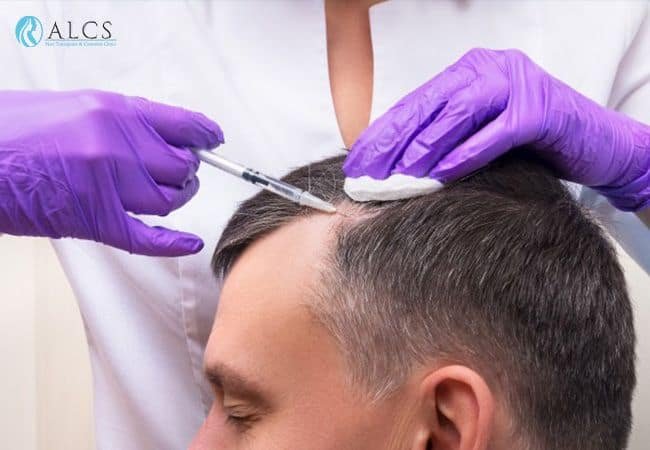
Follicular Unit Extraction (FUE) hair transplants is a process to make the hair look thicker. In this procedure, individual hair follicles are taken out of the skin and implanted in a new area with less hair growth. The technique was discovered to replace the Follicular Unit Transplantation (FUT) technique.
In FUT, an entire piece of skin with hair follicles are taken out and transplanted to the target area. A bald person or person with thinning hair is suitable to undergo an FUE hair transplant. It is vital to have healthy and thick hair in the donor area to undergo an FUE hair transplant procedure. FUE hair transplant has become popular because it does not scar your head and does not lead to a “hair plug” look.
Procedure
The FUE hair transplant procedure is mentioned below:
The surgeon shaves the hairs from the transplant area. They also shave the hairs from where the follicles will be removed.
The follicle is removed from the skin using a micro-punch tool.
Incisions are made in the scalp to insert the extracted hair follicles.
After the insertions of follicles, the surgery is considered complete.
The area is cleaned and bandaged to help in the recovery of the scalp.
These are the usual steps and procedures used by a surgeon to perform an FUE hair transplant procedure.
Targeted areas
The most common area to carry out this procedure is the scalp. You can even try an FUE hair transplant in other areas of your body like the legs, genitals, and arms.
Safety
You can experience minor side effects post-surgery. Tiny scars are visible at the site of hair extraction. Infections may appear in rare cases. The side effects diminish and fade after a few days of the surgery. It may include bruising, swelling, and sensitivity in the scalp. Apart from the minor side effects, the overall procedure is considered to be safe.
Cost of FUE hair transplant procedure
The procedure cost depends on factors like the surgeon’s experience, the number of hair strands needed for the process, the surgeon’s availability, and the frequency of the treatment. Sometimes you get the desired results after multiple sessions.
Workings
As you age, the life cycle of your hair growth shortens, and the new hair follicles stop growing. The process is different for each patient. One can get bald in their 20s while others face baldness later in their lives. In the FUE technique, the old hair follicles are replaced with new strands. These new follicles are still able to grow some inches on your scalp.
Convenience
It takes multiple sessions to complete the FUE hair transplant process. It takes almost 2 to 4 hours to complete each session, and it spreads across several days. In some cases, the surgery may take up to 12 hours. The surgeon advises the patient not to put water on the scalp or indulge in any rigorous physical activity. The hair grows thicker in the bald area, and the follicles are nourished with blood vessels. The patient can leave after the treatment and get back to their day-to-day activities.
What to expect after an FUE hair transplant?
The aftercare instructions you need to follow after surgery are:
Don’t make your hair wet in the first three days after the surgery.
Use gentle shampoo to clean your scalp when you wash your hair.
It will help if you take a few days off from work to experience a speedy recovery.
Don’t brush your hair in the first three weeks after the surgery.
Don’t cover your head with scarfs, caps, hats, or beanies.
Don’t involve yourself in physical activities for a week.
The health of transplanted hairs determines how successful the FUE hair transplant was. It might be possible that your hair does not grow back as thick as you were expecting it to be. The difference in your hair texture can be noticed in the next 3 to 4 months following the surgery. The recovery is quick, but you may feel uncomfortable in the first three days. If you must undergo an FUE hair transplant and need to know more about the procedure, you can contact Dr Sunil Arora by scheduling an appointment at ALCS Clinic.
Gynecomastia is a common condition that causes the enlargement of breast tissue in males. It can affect newborns, teenagers and adults at different stages of life. Many people think it is simply extra chest fat but gynecomastia actually involves the growth of glandular breast tissue.
The condition can develop due to hormonal changes, certain medications, weight gain or underlying health issues. In some cases it may go away on its own. In others it can continue to progress and lead to physical discomfort or emotional stress. Many men feel embarrassed about changes in their chest shape and often avoid talking about it.
However gynecomastia is more common than most people realize and medical treatment options are available.
What is Gynecomastia
Gynecomastia occurs when estrogen levels become relatively higher than testosterone levels. This hormonal imbalance causes breast tissue to enlarge. The condition may affect one or both sides of the chest.
It is important to know that gynecomastia is different from pseudogynecomastia. Pseudogynecomastia happens because of fat accumulation in the chest area and is usually linked to obesity. Gynecomastia involves actual glandular tissue growth.
The condition can appear in:
Newborn babies because of maternal hormones
Teen boys during puberty
Older men due to age related hormonal changes
Certain medications and medical conditions can also increase the risk.
What Causes Gynecomastia?
Several factors can lead to gynecomastia. Hormonal imbalance remains the most common reason but other causes are also possible.
Hormonal Changes
Testosterone and estrogen control male characteristics and breast tissue growth. When testosterone decreases or estrogen increases breast tissue may enlarge.
Medications
Some medicines may trigger gynecomastia including:
Steroids
Anti anxiety drugs
Certain antibiotics
Heart medications
Drugs used for prostate conditions
Lifestyle Factors
Excessive alcohol consumption can disrupt hormone balance and increase estrogen levels.
Anabolic steroid use may interfere with natural testosterone production.
Obesity can raise estrogen activity due to increased body fat.
Recreational drugs such as marijuana may contribute to hormonal imbalance.
Lack of regular exercise and poor diet can increase the risk of weight gain and gynecomastia.
Health Conditions
Certain medical problems may increase the risk such as:
Liver disease
Kidney failure
Thyroid disorders
Obesity
Tumors affecting hormone production
According to the trusted medical resource, gynecomastia can develop due to several medical and lifestyle related factors and should be evaluated properly if symptoms persist.
What Are the Stages of Gynecomastia?
Doctors commonly divide gynecomastia into stages based on the size of the breast tissue and the amount of excess skin. These stages help guide treatment planning.
Stage 1 Gynecomastia
Stage 1 is the mildest form of gynecomastia. There is a small amount of breast enlargement without loose skin.
What does it look like?
The chest may appear slightly puffy especially around the nipple area. Some men notice a small firm lump beneath the nipple.
Symptoms in Stage 1
Symptoms are usually mild and may include:
Puffy nipples
Mild chest tenderness
Small glandular tissue growth
Can Stage 1 go away naturally?
Yes in some cases especially during puberty. Hormonal changes during teenage years often settle naturally within months or a few years.
Treatment Options
Doctors may recommend:
Observation and follow up
Lifestyle changes
Weight management
Reviewing medications
If the condition continues surgery may be considered later.
Stage 2 Gynecomastia
Stage 2 involves moderate breast enlargement. The chest becomes more noticeable but excess skin is still limited.
How is Stage 2 different?
The enlarged tissue spreads beyond the area around the nipple and starts affecting the shape of the chest.
Common Symptoms
Men with Stage 2 gynecomastia may experience:
Visible chest enlargement under clothing
Increased sensitivity
Emotional discomfort
Reduced confidence
Does exercise help at this stage?
Exercise may improve chest appearance if excess fat is present but it cannot remove glandular tissue completely.
Treatment for Stage 2
Treatment may include:
Hormonal evaluation
Lifestyle changes
Medication in selected cases
Liposuction or gland removal surgery
Many patients choose gynecomastia treatment at this stage because the chest changes become more visible.
Stage 3 Gynecomastia
Stage 3 gynecomastia involves significant breast enlargement with noticeable excess skin.
What happens in Stage 3?
The chest starts to resemble female breast development. The enlarged tissue becomes more obvious even when wearing loose clothing.
Symptoms Seen in Stage 3
Common signs include:
Larger breast tissue
Sagging skin
Chest heaviness
Increased self consciousness
Some men may avoid swimming gyms or fitted clothing because of embarrassment.
Why does excess skin appear?
As breast tissue grows the skin stretches. Over time the skin loses elasticity and starts sagging.
Treatment Approaches
Surgery is usually the most effective option for Stage 3 gynecomastia. Procedures may include:
Liposuction
Excision of glandular tissue
Skin tightening procedures
Recovery time varies depending on the severity of the condition.
Stage 4 Gynecomastia
Stage 4 is the most severe form of gynecomastia. There is marked breast enlargement along with substantial loose skin.
How severe is Stage 4?
At this stage the chest may closely resemble female breasts in size and contour. Skin sagging becomes very prominent.
Symptoms in Advanced Gynecomastia
Men may experience:
Physical discomfort
Difficulty finding comfortable clothing
Skin irritation beneath the chest
Emotional distress
Is surgery necessary?
In most cases surgery becomes the main treatment option because lifestyle changes alone cannot reverse advanced tissue growth.
Doctors diagnose gynecomastia through physical examination and medical history.
Physical Examination
The doctor checks:
Chest tissue size
Tenderness
Skin changes
Presence of lumps
Medical History
Patients may be asked about:
Medication use
Alcohol or drug use
Weight changes
Hormonal symptoms
Diagnostic Tests
Tests may include:
Blood tests
Hormone testing
Ultrasound
Mammography in selected cases
According to Cleveland Clinic proper diagnosis is important because some rare conditions can mimic gynecomastia.
Can Gynecomastia Be Prevented?
Prevention is not always possible but certain steps may lower the risk.
Maintain a Healthy Weight: Obesity can worsen chest enlargement and hormonal imbalance.
Avoid Steroid Misuse: Anabolic steroids are a major trigger for gynecomastia in young men.
Limit Alcohol and Recreational Drugs: Excessive alcohol and drug use may affect hormone levels.
Review Medications: Always discuss side effects with a doctor if breast enlargement develops after starting a new medicine.
Is Gynecomastia Dangerous?
Gynecomastia itself is usually not dangerous but persistent symptoms should not be ignored.
When should you see a doctor?
Medical attention is important if you notice:
Rapid breast growth
Pain
Discharge from the nipple
Hard lumps
Swelling on one side only
Although male breast cancer is rare, doctors may recommend testing if symptoms appear unusual.
Emotional Impact of Gynecomastia
Gynecomastia affects more than physical appearance. Many men struggle emotionally because of the condition.
Confidence Issues: Some men avoid social situations because they feel uncomfortable about their chest appearance.
Anxiety and Stress: Teenagers especially may experience bullying or low self esteem.
Mental Health Support: Talking openly with a healthcare provider can help patients explore treatment and emotional support options.
Treatment Options for Gynecomastia
Treatment for gynecomastia depends on the stage of the condition, the underlying cause and how long the symptoms have been present. In some cases the condition improves naturally while others may need medical or surgical treatment.
Observation
Mild cases especially during puberty may go away on their own within a few months to a couple of years. Doctors may simply monitor the condition through regular follow ups if there is no pain or serious discomfort.
Medication
Certain medications may help reduce breast tissue growth in the early stages of gynecomastia. These medicines work by correcting hormonal imbalance. However they are usually more effective when started early and may not work well in long standing cases.
Lifestyle Changes
Lifestyle improvements can help manage symptoms and prevent the condition from worsening. Doctors often recommend:
Weight loss to reduce excess chest fat
Regular exercise to improve overall body composition
Avoiding alcohol and recreational drugs
Stopping anabolic steroid use
Following a balanced diet to maintain healthy hormone levels
While lifestyle changes may improve chest appearance they may not completely remove glandular breast tissue.
Surgery
Surgery is considered the most effective treatment for moderate to severe gynecomastia. It is usually recommended when enlarged breast tissue does not improve with medication or lifestyle changes. Common surgical options include liposuction to remove excess fat and gland excision to remove firm breast tissue.
In severe cases excess skin may also be removed for a flatter and more natural chest appearance. Recovery is generally smooth and most patients return to normal activities within a few weeks.
What Is the Cost of Gynecomastia Surgery in India?
The cost of gynecomastia surgery in India generally ranges from INR 45,000 to INR 1,20,000 depending on:
The stage of gynecomastia
The surgeon’s experience
Hospital location
Type of procedure used
Larger cities and advanced surgical techniques may increase the overall cost.
Recovery After Gynecomastia Surgery
Recovery usually takes a few weeks.
What should patients expect?
Patients may experience:
Swelling
Mild pain
Bruising
Temporary tightness
Compression garments are often recommended after surgery.
When can normal activities resume?
Most people return to light activities within a week. Heavy exercise may need to wait for several weeks depending on the surgeon’s advice.
Gynecomastia is a common condition that can affect males at different ages and stages of life. The condition ranges from mild puffiness around the nipples to more advanced chest enlargement with excess skin.
Mild cases may improve naturally while moderate and severe stages often need medical or surgical care. The condition can also affect emotional wellbeing and confidence which is why proper diagnosis and support are important. If breast enlargement persists or causes discomfort it is best to consult a qualified healthcare professional for evaluation and personalized treatment advice
Frequently Asked Questions (FAQs)
I am 18 and have puffy nipples. Is it gynecomastia?
It could be. Puffy nipples are common in mild gynecomastia especially during puberty. A doctor can confirm the diagnosis through examination.
Can gym workouts cure gynecomastia?
Exercise can reduce chest fat but it cannot remove glandular tissue completely.
Is gynecomastia permanent?
Not always. Mild cases during puberty may disappear naturally but long standing gynecomastia often requires treatment.
Can weight loss remove gynecomastia?
Weight loss may improve chest appearance if excess fat is present but true glandular enlargement may remain.
Is gynecomastia surgery painful?
Most patients experience mild discomfort rather than severe pain. Doctors usually prescribe medications to manage recovery symptoms.
Can gynecomastia come back after surgery?
Recurrence is uncommon if the underlying cause is controlled. However steroid use or hormonal imbalance may increase the risk.
At what age is gynecomastia most common?
Gynecomastia commonly appears during infancy puberty and older adulthood because hormone levels change during these periods.
Should I worry about breast cancer?
Male breast cancer is rare but any unusual lump or nipple discharge should be evaluated by a doctor.
The success rate of an FUE hair transplant is mainly determined by many individual circumstances, including the patient’s overall health, the degree of their hair loss, and the doctor’s experience. However, the FUE success rate is substantially higher than those of other approaches. According to most experienced surgeons, the FUE transplant success rate is above 90%, making it one of the most successful and promising options for patients with thinning hair or hair loss.Choosing the right surgeon is arguably the most critical component in the success rate of FUE hair transplant. Don’t be afraid to inquire about your possible surgeon’s expertise, training, and track record during your appointment. With an untrained surgeon, problems such as over-harvesting and improper transplant placement might occur, leading to a less-than-ideal outcome.
Hair loss is a source of frustration – and frequent embarrassment – for many men and women. Balding and hair loss can develop, even at a young age. Even though several over-the-counter medicines are accessible, most of them are unsuccessful, leaving patients feeling desperate and helpless. Cosmetic surgery, fortunately, provides patients with the exciting possibility to restore hair growth safely and successfully. Dr Sunil Arora and the ALCS clinic’s experienced staff have successfully treated numerous hair loss patients with FUE restoration and are well-versed in the procedure’s complexity and results.
What is FUE Hair restoration?
The standard linear hair transplant procedure is undoubtedly recognisable to most individuals. Using this operation, the surgeon removes a horizontal strip from the back of the patient’s skull, known as FUT hair transplants, to get thousands of hair follicles in one go. Follicular Unit Extraction, or FUE, is a newer and more successful procedure in which the surgeon extracts individual follicular groups of 1-4 follicles. NeoGraft technology is used to transplant hair follicles to parts of the head where hair loss has occurred. Also, the FUE success rate is remarkable.
What can I expect from a FUE hair transplant?
Although follicular unit extraction is a less invasive technique, it is crucial to note that it is still surgery and should be treated cautiously. The surgery is done under local anaesthesia and takes roughly 8-10 hours to complete. The patient will be expected to lie on their side and back for extended periods, but the ALCS clinic’s attentive staff will make every effort to make the procedure as comfortable as possible.
Patients will be advised on how to correctly trim their hair before the surgery since the strands must be short to be transplanted. There will be no need to bother about stitches after surgery because no incisions are required, but patients might expect some soreness, swelling, and scabbing at the extraction point. It usually is minor and goes away fast, and hair growth in the days after the surgery should hide any defects until they recover. The patients can return to normal daily activities within 48 hours.
What kinds of results can I expect from follicular unit extraction hair transplant?
The success rate of FUE hair transplant is higher when done correctly by a trained surgeon, which may provide patients with a full, gorgeous, and restored head of hair. The single-unit transfer approach allows the surgeon to insert the individual strands strategically and artistically, resulting in a natural-looking growth pattern.
Men and women who have FUE hair restoration done by a trained and competent specialist should expect fresh, natural, and permanent hair growth in the end. The outcome, like with any treatment, might differ from one patient to another. Dr Sunil Arora will thoroughly assess your case at your initial visit to decide if you are an ideal candidate for an FUE hair transplant and explain what outcome you can reasonably expect.
I want to get an FUE hair transplant. How do I get started?
The first step is to visit a board-certified plastic surgeon if you believe FUE hair restoration is the right treatment for you. To know more about how a follicular unit extraction hair transplant may restore your hairline, increase your confidence, and alter your life, call our convenient Jaipur location now to arrange your appointment. If you have any queries regarding the FUE success rate, don’t hesitate to contact us. The skilled medical staff at ALCS clinic in Jaipur, led by board-certified plastic surgeon Dr Sunil Arora, understand the delicate nature of hair loss and are dedicated to offering the greatest patient attention and care level.