Get Expert Advice - Free Today

How To Take Care of Hair After a Hair Transplant

When you decide to undergo the hair transplant procedure, you should make sure to select a doctor expert in their field, highly experienced, and you have realistic expectations. In addition, you should have detailed information about the entire process and important factors that will help you recover quickly. 

Before getting the desired results and enhanced appearance, there are several levels of recovery and after hair transplant care.

You must have every information about post hair transplant care. The transplanted hair is delicate and needs special care and attention.

You must switch to an effective routine for your hair care so that the area of transplantation can speed up the hair transplant recovery. Here are some things you can do to fasten the hair transplant recovery time. 

  • Keep the area of transplantation moist: Your surgeon must give you every information or tool to keep the transplantation site hydrated. One of the methods by which you can keep the fair follicles moistened is applying a saline solution or an ointment like Aquaphor. 
  • Gentle hand washing: After using the solution for a couple of days, you wash your hands with your hands. Instead of bathing in a shower, gently wash your hair with your hands, as it prevents the shower pressure. You can use shampoo and then rinse it off with the help of lukewarm water. 
  • Sleeping semi-upright: A part of after hair transplant care includes sleeping in a semi-upright position to prevent gravity from affecting the newly transplanted hair. You can opt to sleep in the recliner position with an angle of 45 degrees. 
  • Reduce the chances of inflammations and irritations as much as possible: You can significantly reduce the occurrence of irritations or infections by frequently cleaning your hair very gently. If you sleep in a particular position for the first 3 nights after the procedure, the movement of the fluid will be directed towards the forehead, thus reducing the chances of swelling. 
  • Avoid heavy exercises after hair transplantation: You may want to avoid heavy physical activities as they may result in pain and inflammation. However, you can perform light exercises such as walking and stretching and gradually increase the intensity after 7 to 8 days. Seating does not affect the transplanted hair, but an intense workout might cause pain and swelling. 
  • Go for easy hairstyles rather than complicated ones: As a part of hair transplantation care, do easy hairstyles like ponytails, braids etc., which are not stressful on the transplanted hair. Do not use hair products excessively, but you can add a little texture. 

If you are looking for hair transplants with a month by month recovery plan online, you can consult Dr Sunil Arora at ALCS Hospital to find tips to care for your hair. He is an expert in his field and will give you all the information you need to know. You can also visit him if you have doubts regarding a hair transplant after 1 month. 

Importance of diet after hair transplant

A nutritional diet will help you keep your transplanted hair healthy after the procedure of hair transplantation. Some of the food which will benefit your transplanted hair to grow healthily and efficiently are:

  • Fish such as salmon, trout or tuna. 
  • Walnuts as they are a source of biotin, fatty acids and vitamin E. which will protect your hair from damage. 
  • Eggs are a source of sulphur, zinc, selenium and iron, which will bring oxygen to the follicles. 
  • Blueberries
  • Spinach

If you are looking for hair transplant recovery time, consult Dr Sunil Arora at ALCS hospital. He will clear your doubts at a reasonable price. 

Precautions to take after a hair transplant surgery

Here are some tips for post hair transplant care:

  • Avoid dying your hair: You should not dye your hair for at least 4 weeks after the hair transplant treatment. If you need to dye your hair urgently after the procedure, make sure to do it before undergoing the procedure. There will be no significant influence on the procedure if you dye it earlier, but the harsh chemicals might damage the hair follicles. The hair follicles are highly delicate during the first week after the procedure. 
  • Avoid exposure to the sun: You should not expose your transplanted hair to the sun for at least 2 weeks after the hair transplantation procedure. If you must go out in the sun, do not stay out for too long. If you are going for a holiday, avoid getting sunburnt or scuba diving. 

If you are looking for a hair transplant after 1 month online, visit ALCS hospital and have a consultation with Dr Sunil Arora.

How to keep your hair healthy after a hair transplant?

Some factors causing hair loss or hair fall are age or other generic factors and the type of lifestyle. Here are a few things that you can do to improve your appearance:

  • Check your vitamins and minerals levels. 
  • Take nutrients prescribed by an expert. 
  • Us silicone-based products to reduce damage to your hair. 
  • Choose a reliable stylist who would not damage your hair. 

If you need consultation regarding after hair transplant care, visit Dr Sunil Arora at ALCS Hospital. 

When Can You Go to the Gym After Gynecomastia Surgery?

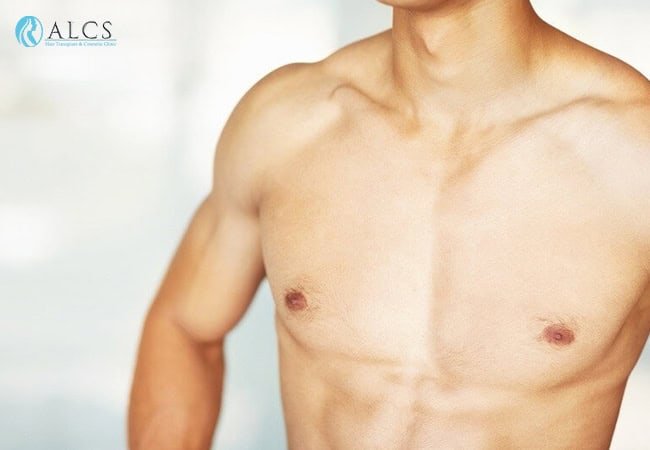
Gynecomastia is now a common condition in nearly half of the male population. It causes the development of male breast tissue. To treat gynecomastia and the resulting decline in self-confidence, you may opt for a male breast reduction surgery.

After the surgery, the body would need a recovery period during which you should avoid most physical activities. There is no fixed recovery period time, and it varies from person to person. The healing process develops on some factors:

  1. The healing rate of the body
  2. The extent of surgery (only liposuction or liposuction with surgical excision)

The recovery phase is short for some people, and they don’t have to wait for a long time to heal completely before working out after gyno surgery. Here are a few things to remember regarding gym after gynecomastia surgery:

1. Start with light physical activity

It is suggested to start walking as soon as you feel better after the surgery. It will help in proper blood circulation and avoid the formation of blood clots. Your surgeon would be the best person to discuss your recovery phase. In most cases, you can resume work after 1-2 weeks.

As you make progress in your recovery chart, your doctor will increase the level of physical activities. Be calm and patient as your body heals. If you try to hasten the process and start to work out after gyno surgery without sufficient rest, it can further complications and harm your health.

2. Resuming workout after gyno surgery

To avoid future fat accumulation in the area, it is best advised to maintain an active lifestyle and have a routine for working out after gyno surgery. Generally, most patients can resume gym after gynecomastia surgery after one month of rest.

In the initial days, keep the workout intensity low and do cardio and other activities which do not cause any muscle damage to interrupt or extend the duration of the recovery period after the surgery.

At the gym after gynecomastia surgery, try not to do chest and arm workouts with or without weights until you are completely healed from the surgery.

Thus. It is necessary for patients who have undergone gyno before and after working out to rest properly for the muscles to recover completely. It takes place nearly six weeks after the surgery.

After the doctor has allowed you to start with arms and chest workouts, you should always start with using the machines instead of lifting free weights in your gym after gynecomastia surgery.

It is because the chances of getting an injury are higher than before due to the surgery. With the use of machines, the body muscles are working out in a more controlled way, decreasing the chances of injury in the gym after gyno surgery.

When you have completely healed from gynecomastia after gym workouts, you will have the same energy level. After regaining your strength, you can add free weights to your workout.

Most of the patients who have consulted a surgeon have already tried to reduce it through workouts and diets. It is common for the patients to ask what would be the result of the surgery.

Most men are also curious about their gyno before and after working out changes required. Having an enlarged breast can cause a decrease in self-confidence. Even after having surgical options available, most patients consider gynecomastia after gym and workouts in their solutions list. 

3. Priority recovery

For so many people, the main task after having gynecomastia surgery is a gym session to get fit and recover properly. Healing cannot be hastened and would occur at its own pace. Workout after gyno surgery should be of low intensity to avoid straining the muscles.

Excessive movements can result in the opening of stitches and blood loss. Performing high-intensity exercises would increase the heart rate, resulting in inflammation and bruising, thus hampering the healing process. 

4.  Workout after gyno surgery

After you are fit to perform exercises in your gym after gyno surgery, try to increase the level slowly. It is common to feel a tight chest due to the stitches. The preferred way to resume a workout is by walking.

You can walk at a normal speed when you feel better after the surgery. Daily walking of 15-30 mins can be done in the first two weeks of recovery. In case you experience any pain, stop the activity immediately. Make sure to wear the compression garment while you take your casual walks. 

After walking, you can start with stretching exercises like arm and leg lifts. While stretching, slowly move your arms overhead and bend forward. Next, you can lift your legs 3-6 inches above the ground for 30 seconds. 

After following stretching and callisthenics, you can do light cardio exercises in your gym after gyno surgery. For instance: brisk walking and cycling are good to start with. After the surgery, go for a follow-up visit with your doctor to monitor progress. 

So come over to ALCS India if you are looking for more information about the after gynecomastia surgery gym sessions. Our doctors will also provide you with information about the recovery from gynecomastia and gym sessions afterwards.

How to Care for Your Skin Under a Face Mask

After the outbreak of the Covid-19 pandemic, masks play a significant role in protecting us from the disease. However, masks can also create several skin problems, such as different types of marks, peeling of the skin, rashes and itchiness. Therefore you need to select the right facemasks for acne. Approved by certified dermatologists, here are a few tips for you if you want to protect your skin from masks:

Clean and moisturise your face regularly: 

If you follow a gentle skincare routine, you will be able to be safe from a variety of skin problems or other types of facemasks for pimples. When washing your face, consider using a mild and fragrance-free cleanser. 

Using masks often makes your skin dry; therefore, you must apply moisturiser to build a protective layer that will help you reduce the dryness of the skin. In addition, to protect your skin from the types of acne marks, select a suitable facemask for pimples

You should apply your moisturise just after you wash your face. To get the best results, you must get a moisturiser containing the following ingredients: 

  • Ceramides
  • Hyaluronic acid
  • Dimethicone (a protective barrier for reducing irritation).

To prevent different types of acne marks, you can use moisturiser according to your skin type. Some things that you should follow while selecting a moisturiser are:

  • Gel moisturiser for oily skin
  • Lotion for normal or combination skin
  • Cream for dry skin. 

So make sure to choose the right facemasks for acne as they will help you avoid types of pimple marks.

Protect your lips with petroleum jelly

Face masks can cause dry skin and chapped lips; therefore, you can protect your lips from getting dry by:

  • Washing your face frequently. 
  • Before you wear your mask. 
  • Before going to bed. 

To prevent the occurrence of breakouts or the different types of pimple marks, make sure to apply the petroleum jelly only to your lips. 

Skip the makeup when wearing a mask

You should avoid wearing makeup while wearing a mask because it can block your pores, leading to breakouts. It will also lead to different types of marks on the face. So it would be best for you to select the right facemasks for acne. Always make sure to use products which contain the label “non-comedogenic” or “would not clog pores”.

Do not use new skincare products which can potentially irritate your skin: Even when your wear masks for a short time, it can severely affect your skin. Therefore to reduce all the skin problems, make sure not to use any kind of products which might be harsh to your skin. For example, some of these products are a chemical peel, exfoliant or retinoid. 

Reduce the intensity of using some skincare products if it irritates your face: When you wear a face mask, some kinds of skincare products that you may have used in the past can cause irritations to your skin. In case you feel that your skin is feeling irritated, should cut down on suing products containing leave-on salicylic acid, the retinoid that you apply to your face and aftershave

Wear a suitable mask to avoid the different 

To avoid the different types of marks on the face, choose a mask for yourself that has: 

  • A snug but comfortable fit.
  • Two layers of fabric. 
  • The fabric present on the internal layer that rests on your skin should be soft, natural, breathable, and like cotton. 
  • Must be comfortable as well as efficiently protect yours from coronavirus. It should have a snug fit, especially on the nose, the sides and under the chin. 

If the mask has a snug fit as well as is comfortable, it can reduce skin problems significantly. However, if the mask gets too tight or has loose fighting, it can cause irritations to your skin. Also, you have to keep adjusting a mask that fits poorly, and in this process, you will transfer the harmful virus from the mask to your face. 

The mask’s fabric is also significant, so you must avoid synthetic fibres like nylon, polyester, and rayon for the internal layer that rests on your skin. The fibres mentioned above are likely to cause breakouts and irritate your skin. In addition, choosing the right facemasks for pimples will help you avoid the different types of face marks. 

Remove your mask for 15 minutes after every 4 hours

According to the health care workers, this measure will help you keep your skin protected. However, you should remove your mask only when it is safe and always wash your hands.

Some places where you can safely remove your mask are outdoors, where you are a minimum of 6 feet away from people at home when you are alone, or in a car when there is no one around you. Choosing the right facemasks for acne can help you avoid several types of face marks. 

Wash your cloth masks

According to several health organisations, you must wash a mask made of cloth each time after wearing them. Washing them helps to get rid of oils and skin cells which might cause skin problems. You can either wash the mask with the help of a washing machine or by hand, but make sure to:

  • Follow the washing instructions on the mask. 
  • Use hot water for washing unless the instructions depict something else. 
  • Use a detergent which is fragrance-free and hypoallergenic. 
  • Check the shape after washing, it does not fit well, and you should not wear it anymore. 

These measures can help you protect your skin. 

Follow the skincare plan provided by your dermatologist

You should strictly follow the skincare plan by your dermatologist if you have skin conditions like acne or rosacea.  

To avoid various types of face marks and wear a suitable mask, visit ALCS Hospital. We help you understand the different types of marks on your face and choose the best facemask for pimples.

Is Hair Transplant Permanent and for How Long?

If you think of hair transplant and its results, what comes to your mind? Most often, people are faced with the question, “Is hair plantation permanent?” The answer is a yes! Hair transplant provides a natural-looking and near-permanent solution to baldness. 

Baldness is common in men and may hamper their looks at a young age. Poor lifestyle choices and genetic factors are the common reasons for hair fall in men.

However, women also suffer from hair loss, but their hair loss pattern is different from men. Women majorly get affected by hair thinning. If you want to opt for a hair transplant, you need to understand the procedure and how it will help you get a fuller appearance. 

Before undergoing a hair transplant, most people may think, “How permanent is a hair transplant?” Hair transplant provides a lasting result, but you need to remember that newly transplanted hair may fall off for six weeks after hair transplant.

However, after the fall off, you will experience hair growth on your scalp. Some people experience hair thinning after a few years of undergoing a transplant. In such cases, they may need a surgical ‘touch up’ to restore the lost hair and get a natural look. Some people may require multiple attempts to get full coverage on their scalp. 

Does a permanent hair transplant depend on the expertise of a doctor?

The expertise of your surgeon plays a crucial role in the success of a hair transplant procedure. You must choose a surgeon who has expertise in carrying hair transplantation surgeries.

Furthermore, they must hold an open discussion with you to understand your concerns. Helping you set realistic expectations from the surgery is also a part of their job. Moreover, an experienced surgeon will inform you about your suitability for the procedure. 

Having an experienced doctor by your side is not enough to fight baldness. In addition to being a professional doctor, you also require technologically advanced equipment for hair transplantation surgery. The combination of an experienced doctor and technology will determine the results and provide an answer to, “Is hair transplant permanent?”

What causes hair transplants to fail?

The major causes of a failed hair transplant are:

  • Surgeon’s inexperience
  • Carelessness in following postoperative tips
  • Hair characteristics
  • Hair density in the donor region
  • The severity of hair loss
  • Unrealistic expectations
  • Dishonest practice in hair transplantation clinic
  • Non-suitability of candidate

In addition, a fault in hair extraction and implantation can damage the grafts. If you want information on “How long before hair grafts are permanent?” you may contact Dr. Sunil Arora at ALCS Clinic

What should be done for the hair transplant to last long?

You may experience some amount of hair fall in the initial weeks of hair transplant surgery. However, remember that it is temporary and will stop in a few days. After the initial hair loss, your hair will start growing in the usual manner.

You may experience hair growth between six to twelve months after undergoing a hair transplant. After fifteen months, you will get a natural-looking result. However, to set a realistic expectation, you must talk to your hair surgeon.

To improve the lifespan of your hair transplantation, you need to follow a strict postoperative hair care regime. Your after-surgery hair care tips will decide the effectiveness of hair transplantation surgery.

If you still worry about “Are hair transplants permanent?” you can contact Dr. Sunil Arora to discuss your concerns. 

How to ensure the effectiveness of hair transplantation?

To ensure the quality of your hair transplant, you can follow the below-mentioned lifestyle tips.

  • Smoking : If you want to get fuller hair growth, you must stop smoking. Smoking from a young age is linked to baldness. If you have undergone a hair transplant, it is recommended not to smoke for at least a year. Moreover, if you want dense hair growth in bald areas, quit smoking.
  • Adequate sleep : Proper rest is essential in your recovery period, and you must take at least eight hours of sleep. Quality sleep ensures that your scalp gets adequate blood circulation. Moreover, it helps in the development of new scalp tissues. In addition, proper rest during the night is essential to healing surgery scars.
  • Diabetes control : If you have undergone a hair transplant, it is essential to keep your blood sugar levels under control. It is because baldness is linked to diabetes. A high glucose level reduces testosterone levels, resulting in baldness. 

There are two critical techniques of hair transplantation, and surgery cost depends on the selected technique. If you want information on permanent hair transplant costsyou may contact ALCS Clinic. 

Hair transplantation is a viable option for extreme hair loss. Moreover, it provides a permanent solution for balding and hair thinning. However, it is essential to set a realistic expectation from the transplant procedure.

If you are confused about the effectiveness of hair transplant and think, “Is hair transplant permanent?” you can contact ALCS Clinic to resolve your doubts. 

Is A Hair Transplant Painful?

If you consider undergoing a hair transplant, you may be faced with various questions such as, “Do hair transplants hurt?”, “How long does the treatment last?”, “What is the cost of the procedure?” and “Am I a suitable candidate?” among others. Let us understand the procedure and, in turn, get answers to all questions. 

Hair transplant is an elective cosmetic procedure. During any surgical or medical procedure, none of us wants to go through pain and discomfort. However, you don’t feel severe pain or discomfort during a hair transplant due to technological advancements.

It is a minimally invasive surgical procedure carried under the influence of anaesthesia. Therefore, most patients do not feel significant pain during the process. 

Before proceeding further, you need to understand the procedure thoroughly. So if you want to learn about treatment for scalp pain caused by hair transplant, you must pay attention to before and after surgery details. So first, let us understand the surgery procedure to know how painful a hair transplant is!

Before surgery

Before starting the procedure, a surgeon soothes the scalp area with a numbing drug. When the medication is applied to your scalp, you don’t feel discomfort.

However, as the effects start to wear off, you may feel slight numbness at the surgical site. The numbing process is carried in two parts, and a numbing drug is applied to the donor and recipient area. 

Before starting the procedure, a surgeon washes your scalp and trims the donor area. Then they administer doses of local anaesthesia in the donor area. Next, the drugs are injected using a fine needle.

While injecting the medication, you may feel a sting or pinch in the donor area. After 10-15 minutes, you will feel anaesthesia’s effect. The next step involves removing hair follicles from the donor area and planting them in the recipient area. 

Do hair implants hurt? The answer is a yes. Once the surgery is over, you may feel pain in the scalp.

What are the stages of hair transplant?

The major stages in a hair transplant surgery include:

  • Consultation : It is the first step in which your doctor looks at your records and the intensity of hair loss. Moreover, they may discuss the surgical steps and after-surgery care with you. 
  • Local anaesthesia : Local anaesthesia doses are administered to provide relief from the pain during surgery. 
  • Hair extraction : The surgeon marks the area on your head to pluck healthy hair follicles. Then, a punching machine is used to make the incision. After removing healthy hair follicles from the donor area, the plucked hair follicles are implanted into the recipient area. Then the surgeon adds an antiseptic dressing to the donor region. 
  • Postoperative period : In the postoperative period, the surgeon suggests ways to take care of your transplanted hair. To get an optimal result, you are requested to follow post-surgery tips strictly.

Keep yourself calm and composed during the surgery. It is essential to follow the surgeon’s advice after undergoing hair transplant surgery.

After surgery

Some people might feel a little pain after a hair transplant. Once the anaesthesia’s effects start to wear off, you may feel slight pain at the surgical site. However, your surgeon will re-administer the numbing drug to reduce the discomfort, and you will feel its effect for three hours.

It means you may experience tenderness and little pain after three hours. During those three hours, you can go back to your home and start following post-surgery preventive tips.

If you feel intense pain, you can take painkillers to get relief. If you take the prescribed medications in the required doses, you may experience a smooth transition without feeling any pain.  

The next day, you may not feel any discomfort or irritation. However, if you feel slight pain, you may take a few doses of painkillers to soothe the area. 

Is a hair transplant painful?

For most people, a hair transplant is a painless experience. It is because they follow after-care tips cautiously and take prescribed drugs in the required doses. Moreover, most hair transplant patients feel that it is a painless and fun experience. 

Pain relief after Hair Transplant surgery

Experiencing slight pain after surgery is a common phenomenon. However, following your surgeon’s advice will help in minimising pain. Therefore, you must select a recognised and qualified surgeon for your hair transplant.

To protect your scalp from infections, your surgeon will prescribe medications and ointments. After the transplant, you may observe redness on your scalp, but it will reduce in a few days.

You may have to deal with slight pain after the procedure, but you can cope with it by following the right after-care tips. 

How painful are FUE and DHI hair transplant techniques?

In FUE hair transplantation, a surgeon has to extract a hair follicle and then graft it to the recipient area. It is a labour-intensive operation and requires extra effort.

To reduce pain, the surgeon gives you anaesthesia. Moreover, you are given a combination of sedatives and painkillers to control the discomfort, while in DHI, you will experience less pain. However, the discomfort also depends on your tolerance levels. 

Is a hair transplant painful? If you are unsure, you can contact Dr. Sunil Arora at ALCS Clinic to solve your doubts.

Everything You Need to Know About an FUE Hair Transplant

As you age, your body, hair, and skin go through a lot of changes. Your skin becomes saggy and loses its elasticity. Moreover, the bone becomes brittle and may develop degenerative issues.

Ageing also affects hair density, and you may experience hair loss. However, hair loss is not limited to ageing. Young people in their mid-age may experience hair loss.

Women majorly experience hair loss due to hormonal changes during their lifetime. But hair loss in women is entirely different from hair loss in men. Men majorly suffer from male pattern baldness.

Fortunately, hair restoration techniques like FUE hair transplant are fruitful in covering your bald patches. 

What is a FUE hair transplant?

Follicular Unit Extraction is an advanced hair restoration technique that provides effective results. In this process, a surgeon extracts hair follicles from the areas with sufficient hair. However, the extracted hair follicles must be healthy and ready for implantation.

Usually, the back of your head is ideal for removing hair follicles, but they can be extracted from other areas as well. Extracting hair follicles from the donor area is a tedious process because each hair follicle is removed individually. 

After extracting hair follicles, the surgeon plants them in the recipient area. As a result, you experience thick hair growth in the bald area. FUE hair transplant was introduced to replace Follicular Unit Transplantation. FUT is a painful process of hair transplant in which a long strip of skin is removed from your scalp.

Once FUE was introduced, surgeons and patients started giving preference to this method of hair transplant. The reason for the popularity of the FUE method is its minimally invasive technique.

Moreover, it provides natural-looking results, and your hair does not feel like hair plugs. In addition, follicular unit extraction does not leave any scar on your head. 

How does an FUE hair transplant work? 

FUE hair transplant provides a natural-looking result, which is why it is prefered over the FUT method. Your hair growth follows a three-phase cycle. But as you grow old, the hair regrowth cycle shortens due to the non-availability of new hair follicles.

As a result, you may encounter balding. However, balding may affect a person in any age group. For example, some people may experience premature balding in their mid-20s, while others may experience hair fall and bald in their 50s.  

When you undergo a follicular unit hair transplant, you replace your old and dying hair follicles with new and healthy hair follicles. These follicles get nourishment from blood vessels, and as a result, they grow into new and healthy hair. 

FUE hair transplant cost 

Hair transplant is a cosmetic procedure, and like every other cosmetic procedure, its cost depends on several factors. Some factors that determine the cost of FUE hair transplant include:

  • Number of transplanted and extracted hair follicles
  • Size of the treatment area
  • Surgeon’s expertise
  • Location
  • Hair characteristic
  • Desired results

However, most clinics providing hair restoration services charge according to the graft requirements. Remember that your health insurance may not cover the cost of an FUE hair transplant. In such cases, you have to pay the price from your budget. 

Benefits of FUE hair transplant

FUE hair transplant provides a range of benefits to hair loss sufferers. Some of its significant benefits include:

  • No scarring

In an FUE hair restoration technique, the surgeon does not have to make an incision on your scalp. As a result, you do not develop any scar on your head. However, the FUE technique leaves tiny scabs on your scalp, which you can easily hide under your hair. Sometimes, the scabs may fall off in a few days after transplantation surgery.

  • Minimal discomfort

It is a minimally invasive technique, and hence you may not feel any discomfort. Moreover, you may experience minor pain after the surgery. 

  • Faster recovery

FUE uses micro punctures to extract hair follicles. Therefore, the surgeon does not need to pull your skin from the scalp. Since this technique does not require any incision or stitches, you can heal in a short period.

FUE is preferred over other hair restoration techniques because of its minimal downtime. It means you can resume your regular activities within a week. However, take your surgeon’s advice before continuing vigorous physical training. 

FUE allows faster recovery, and you may expect exceptional results in a few months. 

Risks and side effects of FUE hair transplant

FUE does not involve any severe risks, but you may experience minor side effects after surgery. These side effects include:

  • Infections
  • Drainage
  • Crusting
  • Severe pain
  • Swelling
  • Follicle swelling
  • Bleeding
  • Numbness

These side effects are temporary, and you may notice an improvement in your condition within a few days. However, if the side effects persist for a longer duration, you may consult your surgeon. 

Why Choose Us?

At ALCS Clinic, we use the latest technology to give you the desired results. Moreover, under the supervision of Dr. Sunil Arora, our trained medical care team has operated on various patients and has provided excellent results.

Therefore, if you wish to get treated by one of the renowned cosmetic surgeons in India, you may contact Dr. Sunil Arora at ALCS Clinic.

When Should You Consider Revision Rhinoplasty?

Revision rhinoplasty, commonly referred to by people as “reverse rhinoplasty” or “secondary rhinoplasty”, is a frequently opted but complex cosmetic surgery.

As a result, there might be a chance of your cosmetic surgeon even refusing to perform this procedure. But why is revision rhinoplasty considered to be a complex procedure? Also, when would it be appropriate to perform this procedure? Let’s see.

What Is A Revision or Secondary Rhinoplasty?

In layman’s terms, revision rhinoplasty is performed when a patient has already had a rhinoplasty priorly and is going for it for the second time.

It might be possible that the patient has had this procedure multiple times before and is still going for it to further enhance their nose structure and overall appearance.

For structural support, this surgical procedure often requires cartilage for the bridge and tips of your nose. However, due to a deficit in the septum, the surgeon might take the cartilage from some other part of your body to make for it.

These other parts may be your ribs or ears. Along with cartilages, there might also be an irregularity of other soft tissues, which must be taken from other body parts.

For these soft tissues, the surgeons tend to favour your hairline. Sometimes, skin grafts are used to treat the scarring within the nose and reopen your narrowed airways. 

If you want a successful procedure with effective results, get in touch with the best revision rhinoplasty surgeon, as they would know exactly what body part to source a particular soft tissue for the best treatment.

Can A Weak Chin Be Fixed Without Surgery?

Simply put, yes. The cosmetic surgeon can fix your weak chin without surgery. If you want effective but safe results for your weak chin with the help of a non-invasive surgical procedure, dermal fillers are considered an excellent option.

That being said, if you want options that can provide you with permanent and more impactful results for your weak chin, chin implant surgery might be the move forward. 

When To Consider A Rhinoplasty Revision Surgery?

Sometimes, after you have had a rhinoplasty procedure, you still might not be satisfied with the results. For example, you might feel that the nose is too unproportionate or big, it might not be in balance with your face, or you may have difficulty breathing properly.

However, it might not be the fault of your surgeon as the recovery from surgery is not always in their control. 

Then there is another scenario where you might not have had realistic expectations that were not met by the surgery results the first time. 

You might not believe it, but rhinoplasty has quite a high revision rate.

Unfortunately, it means that a rhinoplasty patient might require revision surgery more often than you would imagine.

In fact, according to experts in the field, over 15% of rhinoplasty patients go for a revision in the near future for one of several reasons. 

Often, the cosmetic surgeon makes you aware that there is no guarantee for the success of rhinoplasty or any other cosmetic procedure for that matter.

It means that there might be a need for revision rhinoplasty in the future. But you might want to wait until you have completely recovered from the initial procedure. A hasty decision could cause damage to your nose. So don’t take revision rhinoplasty lightly. 

Why Is Revision Rhinoplasty Considered A Complex Procedure?

Revision rhinoplasty is considered one of the most complex cosmetic surgeries. There are several reasons for that, which are as follows:

  • Scar tissue from the prior rhinoplasty might limit the success of your revision rhinoplasty even after having a successful procedure. 
  • The revision surgery might require additional cartilages to replace those that are deficient or damaged. 

According to the experts, a revision rhinoplasty might not be able to rectify the deformities thrown up by the initial surgery. Also, there is a good chance that if you were dissatisfied with the initial surgery, you are not going to be satisfied with the revision either.  

Will My Revision Or Secondary Rhinoplasty Be Successful?

As mentioned earlier, this surgery is one of the most complicated cosmetic procedures. So the surgeon will not be able to guarantee if it will be successful or not. What we can suggest is that you keep your expectations with this surgery realistic. 

Why Choose ALCS India?

Are you looking for revision rhinoplasty? Then ALCS India might just be the place for you. Our team of some of the best revision rhinoplasty specialists, lead by Dr. Sunil Arora, has been responsible for thousands of successful rhinoplasty procedures to provide our patients with an enhanced appearance as well as improve the functional ability of their nose. 

Before the surgery, we provide our patients with a thorough consultation to discuss the procedure, its risk, and what they expect at the end. Also, the revision surgery might cost far more than the primary rhinoplasty. 

For the most effective results, consult with Dr. Sunil Arora at ALCS India, one of the top revision rhinoplasty surgeons. We will provide you with an attractive appearance and improve the functional ability of your nose. So book your consultation today!

Top 5 Misconceptions About Non-Surgical Rhinoplasty

Rhinoplasty is a cosmetic or plastic surgery that alters or reconstructs the shape of the nose to enhance its appearance or functional ability.

It can be an emergency procedure if you have recently suffered an injury to your nose or are afflicted with an illness harming your nose’s functional ability. Or it can be an elective cosmetic procedure if you are looking to improve the shape of your nose.

In any case, do you want an immediate solution to nose issues but are too concerned about the misconceptions regarding the non surgical nose job or liquid rhinoplasty?

Don’t worry. We will answer your queries and try to counter the common myths. The results from non surgical nose jobs before and after the procedure are pretty good, so it is natural to choose it over the surgical procedure. 

It is quite sought-after by celebrities, as they want a relatively quick procedure with faster recovery to achieve the desired result. But it should be performed by a licenced cosmetic surgeon. 

If you are thinking about having a liquid rhinoplasty or non-surgical nose job, this article will help you stay on top of the common myths and misconceptions.

Here are five of the most common misconceptions regarding nose jobs without surgery:

  • Myth: Liquid or non-surgical rhinoplasty is quite expensive. 

Fact: The cost of any cosmetic or plastic surgical procedure depends upon several factors such as the particular cosmetic surgeon, extent of disfigurement, area of your nose injected with, and last but not least, the procedure techniques used by the surgeon.

Almost all of these factors vary from person to person. So cost is a subjective matter, and so, cannot outrightly be called expensive. But typically, the cost of a non-surgical nose job is around a tenth of what the surgical rhinoplasty might cost you.

  • Myth: Non-surgical or liquid rhinoplasty can rectify every nose deformity. 

Fact: The liquid rhinoplasty or nose filler before and after results are pretty impressive and suitable for those not willing to go for painful procedures or long recovery periods of the surgical rhinoplasty.

But this 30 minutes session can be perfect for those looking for an immediate solution regarding making your nose straight, making its shape more prominent and in proportion to your facial structure, even-out the symmetry, and smooth-out any hollows and bumps.

  • Myth: The results of non-surgical or liquid rhinoplasty are permanent. 

Fact: Even though the cosmetic doctors use the latest long-lasting fillers for this procedure, the results of a non-surgical rhinoplasty only stay up for around two years.

When it comes to the hyaluronic fillers, Dr. Sunil Arora and the experts at ALCS India have complete control over how much filler should be injected. How long the results would last would also vary from patient to patient, depending on several factors.

So ideally, the patients would be advised by the doctor to have a touch-up scheduled in the near future. Now, there is no doubt that you might have come across permanent fillers. But be careful as they might pose the risk of irreversible damage to your nose structure. 

  • Myth: Non-surgical rhinoplasty is only for those who don’t like surgeries. 

Fact: It is not just for those patients who are scared or don’t want surgery. Anyone can opt for a liquid rhinoplasty if they are looking to solve nose issues on an urgent basis.

You can achieve effective results for your nose deformities like irregular shape, asymmetry, hollows or bumps, etc., far quicker than a surgical procedure, and the recovery is shorter in duration as well. 

  • Myth: Non-surgical or liquid rhinoplasty does not involve any risks. 

Fact: It is true that the non-surgical rhinoplasty is less-risky when compared to other techniques and provides quick and effective results. But you might not want to think that there are no risks or discomforts involved with a liquid rhinoplasty.

You should be aware of the risk of complications like swelling, filler migration, brushing at the spot of fluid injection and nausea. But they won’t be permanent.

In addition, the nose is one of the most sensitive areas on your body and is packed with blood vessels, so you might want to be careful before opting for any surgical or non-surgical procedure.

If you want a non surgical rhinoplasty, opt for a licenced cosmetic surgeon like Dr. Sunil Arora from ALCS India so that you will have excellent and quick results with the risk of complications shortened considerably. So book your appointment for consultation today!

The Regrowth Stages After A Hair Transplant

Hair Transplant Regrowth Stages

Several thousands men and women in India suffer from androgenetic alopecia or pattern baldness. It takes a real toll on their appearance as well as their confidence along with their social skills.

But with the help of procedures like FUE or Follicular Unit Extraction and other transplantation methods, the patients can have a natural and seamless appearance with their hair slowly starting to grow again.

In this article, we will describe the stages of hair growth following a transplantation procedure.

First Telogen

Now, it could come as a surprise, but the first of the hair transplant phases is for your hair to start shedding. In the transplantation process, the surgeon extracts short hair follicles from one part of your head or other donor area and implants them onto your scalp.

During this process, the strands come under a lot of stress, due to which they start shedding. But don’t worry, the shedding is just these follicles making way for healthy hair regrowth.

Depending on your health and personal hair growth speed, this stage usually lasts for around two weeks. But in some cases, the patient would experience this stage for even four months. 

Anagen

Then among the hair transplant recovery stages is the Anagen stage, or as it is commonly known, the growth stage. During this stage, you will start seeing hair growth.

Also, your surgeon would be able to understand at this point whether you require more hair grafts or not. After the telogen stage ends, your hair follicles will start producing hair, which will grow at the rate your normal hair typically grows.

Although the growth rate for everyone is different depending on several factors, the typical rate at which they tend to grow is around half an inch to 2 centimetres every month. The anagen stage of hair transplant lasts for around 2 to 6 years, depending on the particular patient. 

Catagen

Then among the hair transplant hair growth stages is the catagen stage. In this stage, your hair growth will stop. Although your hair follicles will become dormant and effectively reach a standstill in this stage, you won’t experience hair loss.

It will last for roughly around two weeks, and then you’ll move on to the next and the last of the hair transplant growth stages

Second Telogen

Last among the stages after a hair transplant is the second telogen. Depending on the patient, it will last for around 3 to 4 months. In this period, you will experience some shedding.

But don’t worry, it’s relatively common and not going to be noticeable. Only a tiny amount of your hair will be at this stage. Others will either be in their growth phase or the catagen phase.

It will then lead to an extension of the telogen phase, also known as the exogen phase, where your old hair will be shedding, and new hair will simultaneously be growing. 

If you are looking to regain your lost confidence due to hair loss and understand the stages of hair growth after a hair transplant, you might want to consult with the experts at ALCS India.

First 3 Months In Your Hair Transplant Procedure

The first few months can be highly frustrating, as you expect, but you don’t see your desired results. But there is a silver lining, and to show you, we’ll look at the recipient and donor areas separately. 

  • Recipient Area Growth: The hair in your recipient area will start shedding 4 to 5 days after the hair transplantation. The doctor might alarm you about this phase during the consultation or before the start of the procedure. So you might want to expect it rather than being alarmed. If you are thinking, “Oh my god! why is my hair falling even after having a hair transplant?” don’t worry. Your hair goes through a cycle of shedding and growing. The hair transplantation induces what the experts call “shock loss”, where your hair follicles shed, and your hair enters an inactive phase. It doesn’t mean that you have hair loss. The follicles shed to start the hair growth after the end of the dormant cycle. After that, it will take your hair about 2 to 2.5 months to enter the telogen resting stage.
  • Donor Area Growth: Since your donor area doesn’t experience any shock loss, it starts growing again almost immediately after the transplant. So there will be hair growth in your donor area in just about a week. 

The hair growth rate in donor and recipient areas differs from person to person, depending on several factors.

After 9 To 12 Months Of Hair Transplant

Your hair will start and continue to thicken through this phase, so it might be a good time to start hair styling. But you might not want to use a trimmer or buzz-cut machine on the donor area for at least 12 months after the procedure. But using a scissor for the haircut would be alright after around a month. 

When it comes to the donor area, you can style it in around a week to a week and a half. In most cases, the recovery completes after around 12 months. So the follow-ups are scheduled after that. But as mentioned earlier, your hair growth might differ in the timeline.

Also, older patients usually see the results slower than younger ones.

If you have any other queries regarding the post hair transplant stages, you might want to consult with the experts at ALCS India. So book your appointment for a consultation with Dr Sunil Arora today!

Does Gynecomastia Return After Surgery?

Gynecomastia may become an awkward condition for men. In this condition, men’s breast tissues become bulky.

Most men who undergo surgery or want to undergo surgery to get rid of the excess fat ask, “Will gynecomastia come back after surgery?” The answer lies in understanding the causes and treatments of gynecomastia. 

In gynecomastia treatment, a surgeon removes unwanted fat from the chest region to give your chest a defined and masculine look. The surgery depends on the extent of your breast enlargement.

Even after undergoing surgery, people have doubts about the relapse of gynecomastia. If you think gynecomastia can come back after surgery, you may consider fixing an appointment with an experienced cosmetic surgeon. 

Post gynecomastia surgery, you may feel confident about your looks. Moreover, you can resume playing sports without worrying about any discomfort.

Gynecomastia surgery removes physical awkwardness and gives you unparalleled self-confidence. If you like wearing tight-fitting clothes, you can wear them after undergoing surgery. 

Why do I need male breast reduction?

Enlarged breasts in men can be a cause of embarrassment and lack of self-confidence. There can be multiple reasons for enlarged breasts in men, but the most significant factors include hormonal changes, certain medications, and weight gain.

Sometimes, gynecomastia can be an effect of an underlying health condition. Therefore, it is crucial to understand the cause before proceeding further with the treatment. 

To understand your health condition, a surgeon will ask questions on your overall health and medications. Gynecomastia surgery is beneficial for men who are unable to remove excess breast fat through diet and exercise.

Surgical intervention can provide a contoured appearance to your breast. The surgery has a few requirements that you need to fulfil.

For example, if you want to undergo gynecomastia surgery, you must have good skin elasticity and ideal body weight. If you are fit for the surgery, you can discuss the risks and benefits with your surgeon. 

What is gynecomastia surgery like?

The surgery depends on the extent of swelling in your breast tissues. For example, if you have small fat deposits in your chest, you may find liposuction fruitful.

In contrast, you must go through surgery if you have large fat deposits in the chest area. In gynecomastia surgery, your surgeon makes small incisions around your nipples and glandular tissue.

After the surgery, you have to undergo additional procedures like skin tightening and nipple repositioning. After gyno surgery, you can see an appealing change in your chest area. To ensure you undergo surgery in safe hands, you can contact Dr. Sunil Arora

Post-surgery, you may experience some discomfort due to the compression garment. The surgical area may be wrapped with a compression garment to reduce swelling and promote healthy circulation.

Gynecomastia after surgery care is crucial, and the result is visible immediately. However, you may see stark gynecomastia surgery before and after difference only when the swelling reduces. 

Can gynecomastia come back?

There is no correct answer to this question, but the outcome depends on your lifestyle choices. Gynecomastia surgery is a permanent solution for unwanted fat in the chest region.

However, the results depend on your weight and diet. You may not face a relapse until you maintain your ideal body weight and take a proper diet. Moreover, treating the actual source of gynecomastia is essential to prevent relapse.

For example, if gynecomastia is caused by taking certain medications, you must find alternative prescriptive medicines. 

The significant causes of gynecomastia include:

  • Obesity
  • Hormonal imbalance
  • A decrease in testosterone production
  • Use of steroids or recreational drugs
  • Psychological stress

If the surgeon has removed enlarged breast tissues from the chest region, you may not face gynecomastia relapse. However, future weight gain can cause swelling in the chest region.

After gynecomastia surgery, you may want to retain your contoured figure, but you can start exercises and weight training after six weeks. Your body must recover completely after surgery.

If you wish to maintain your body weight, you can ask your surgeon about weight management. They may suggest exercises and diet control for your body weight. In addition, it is essential to keep your eating habits under check.

To manage your body weight, you can take the help of health tracking mobile applications. Moreover, you can contact a nutritionist and follow their diet chart. 

Schedule your gynecomastia appointment

If you are embarrassed and feel awkward because of your enlarged breast, you can schedule an appointment with Dr. Sunil Arora. Enlarged breasts in men is a cause of concern.

However, sometimes people confuse gynecomastia with swelling around the chest region. Sometimes, your chest region swells due to hormonal fluctuations, and you may confuse this swelling with gynecomastia. 

To overcome gynecomastia, you may undergo male breast reduction surgery. It gives a sculpted appearance to your bulging chest area.

If you want to undergo treatment under a top cosmetic surgeon, you may consider Dr. Sunil Arora. If you want to ask about gyno after surgery careyou can call us to book your appointment