Getting a cosmetic procedure like a hair transplant doesn’t always guarantee that you will get the results that you want. This is why it is vital for everybody to understand the features that can increase the chances of getting a successful hair transplant. It should be noted that the role of the patient is just as important as the role of the surgeon. Both parties should have an open conversation before getting a hair transplant. This will ensure that everybody has realistic expectations from the procedure. By keeping all of this in mind, in this article, we will talk about the different causes of a bad hair transplant. Readers will also find several techniques that they can use to prevent having bad results. But first, we will focus on all the reasons why a hair transplant can go wrong.
The Causes and Prevention of a Bad Hair Transplant
As mentioned above, there are several reasons why a hair transplant might go bad. In this section, we will look at what those reasons are. The reasons are mentioned below.
The Inexperience of the Surgeon
One of the most common and obvious reasons why a hair transplant might go back is because the surgeon does not have the right kind of experience. To perform a hair transplant, one requires extreme precision and execution of technique. Most experts spend years trying to learn that level of precision and skill. Because of these reasons, one should always get a hair transplant from an experienced surgeon. It is best to check the qualifications of the surgeon and some reviews from past patients.
Lack of Proper Post-Operative Care
After the hair transplant, it is vital for the patient to get proper post-operative care. This is why most surgeons provide the patients with various guidelines that they need to follow after they go home from the hospital. But what if the patient failed to follow all of those guidelines? In that case, the final result of the hair transplant might be affected. It is vital for all patients who have just gotten a hair transplant to take their medicines on time. One should also avoid stressful activities so that the recovery is successful.
Not Being an Ideal Candidate
Not everybody is suited to get a hair transplant. There are several criteria that one must fulfil before he or she can get a hair transplant. This is why it is important for an individual to contact the best hair transplant surgeon before making any decision to get a hair transplant. The best hair transplant surgeon would guide the individual on whether he or she should really get a hair transplant done or not.
Being Dishonest with the Surgeon
There are cases where patients lie about their medical history to get a hair transplant. This is a hazardous and harmful habit to indulge in. One should never be dishonest about their medical history. You should always tell the truth to your medical expert whenever you are asked any question. If an individual lies to the surgeon about anything during the hair transplant preparation phase, he or she may not get the final results that one was hoping for. There might also be other severe medical consequences.
Miscommunication
Another common reason why an individual might have bad hair transplant results is because of miscommunication. Miscommunication can indeed occur unintentionally. This is why you must always double-check with your medical expert before getting a hair transplant done. One must ensure that he or she has no doubts about the procedure and understand every aspect of it.
Get Hair Transplant in Jaipur from ALCS Clinic
If you are looking to get a hair transplant done, then your search for the perfect hair transplant surgeon is over. We at ALCS Clinic provide all our patients with high-quality cosmetic surgical procedures like hair transplants. We have some of the best medical experts in the industry. These surgeons do not just have the right qualification and experience to help you out, but they are also dedicated to helping every patient lead a better life. So, what are you waiting for? Contact us at ALCS Clinic, Jaipur, India, to get the highest quality hair transplant today!
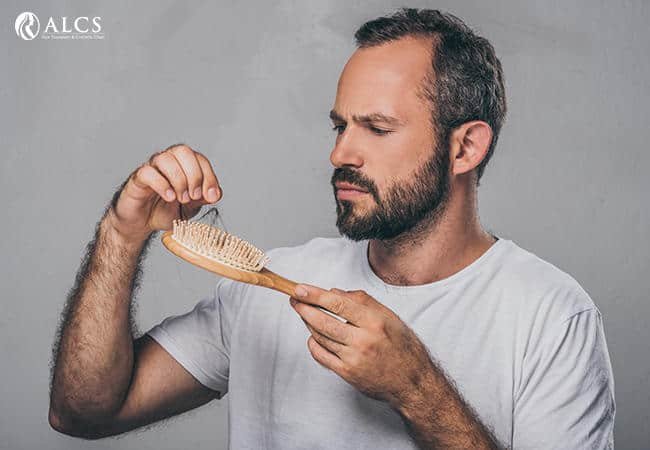
Hair fall is a common problem faced by the majority of the people at some point in their lives. Some amount of hair shedding happens every day as part of the natural hair growth cycle. Hair grows, rests and eventually falls out to make way for new strands. This process keeps your scalp healthy and active.
The difference between normal hair fall and concerning hair loss can help you take the right steps at the right time. In this article, we will break down what is normal, what is not and when you should consider seeking medical advice.
Is Hair Loss Normal?
Yes, losing strands of hair every day is considered normal, as it is part of the natural hair growth cycle in which old hairs shed to make place for new growth. However, losing substantially more or noticing bald patches indicates extreme loss.
How Much Hair Loss Per Day Is Considered Normal?
Losing around 50 to 100 strands of hair per day is considered normal. This amount may vary slightly depending on your hair type and daily routine. Hair goes through three stages which include growth, rest and shedding. At any given time, some strands are naturally in the shedding phase.
It becomes more visible when you wash or comb your hair since loose strands come out together. As long as the hair loss stays within this range and you do not see thinning or patches, there is usually no reason to worry.
From normal shedding to severe conditions, this hair loss detailed guide covers everything you need to know about managing hair loss effectively.
Common Situations Where Hair Fall Is Normal
Hair fall often looks worse during certain activities. Washing your hair can release strands that were already detached from the scalp. This is why you may see more hair in the drain on wash days.
Similarly, combing or brushing pulls out loose strands that would have fallen out anyway.
Seasonal shedding is another common and normal pattern. Some people experience more hair fall during monsoon or autumn months. This temporary shedding usually settles within a few weeks.
Other normal causes include:
Tight hairstyles that loosen strands when opened
Post pregnancy shedding due to hormone changes
Mild stress or illness recovery
In these situations, hair fall is temporary and tends to return to normal without treatment.
When Should You Be Concerned About Hair Loss?
You should be concerned if hair loss becomes excessive or unusual. If you notice more than 100 to 150 strands falling daily for several weeks, it may signal a problem. Other warning signs include:
Hair thinning at the crown or temples
Visible scalp through hair
Sudden increase in shedding
Hair falling out with minimal pulling
Hair Fall in Clumps vs Gradual Shedding
Hair fall in clumps is not normal and often points to an underlying issue. If you see large bunches of hair falling while washing or combing, it may indicate a condition like telogen effluvium or alopecia.
Gradual shedding is more common and usually part of the natural cycle. However, if gradual shedding increases over time and does not improve, it still needs attention.
Thinning Hair vs Bald Patches
Thinning hair usually appears as reduced volume or a wider parting. It often develops slowly and can be linked to genetics or hormonal changes. Bald patches are clearly visible areas with little or no hair growth. Conditions like alopecia areata can cause sudden patchy hair loss.
How to Check If You Have Excessive Hair Loss
There are free simple methods which can be used to check if you are suffering from excessive hair loss:
Hair Pull Test
The hair pull test is a simple way to check active hair shedding. Take a small section of about 40 to 60 strands and gently pull. If more than 5 to 6 strands come out easily, it may suggest excessive shedding. This test should be done on dry hair and not immediately after washing. It is not a final diagnosis but can give an early indication of a problem.
Other Simple Self Checks at Home
Keep track of how much hair you lose during washing or brushing. If the amount increases suddenly, it is worth noting. Look for signs like:
Some common conditions that could be the underlying reason for excessive hair loss:
Medical Conditions
If hair loss comes with other symptoms like fatigue or skin issues, medical evaluation is important. Conditions possibly related to hair loss:
Alopecia areata is an autoimmune condition where the body attacks hair follicles leading to patchy loss.
Thyroid disorders can also affect hair growth. Both underactive and overactive thyroid can cause thinning hair.
Lupus is another condition that may lead to hair loss due to inflammation.
Hormonal Imbalances
Hormones play a key role in hair growth. Changes in hormones during pregnancy, menopause or due to conditions like PCOS can lead to hair thinning.
In men, androgenic alopecia or male pattern baldness is linked to hormonal sensitivity. Women may also experience similar patterns due to hormonal shifts.
Nutritional Deficiencies
A lack of essential nutrients can weaken hair. Iron deficiency is one of the most common causes especially in women. Other important nutrients include:
Protein
Vitamin D
Vitamin B12
Zinc
Stress and Lifestyle Factors
Stress can push hair into the shedding phase prematurely. This condition is known as telogen effluvium. Emotional stress, illness or major life changes can trigger it.
Lifestyle habits like poor sleep smoking or lack of exercise can also impact hair health. These factors affect overall body function including hair growth.
Hair Care Practices That Cause Hair Loss
Certain hair care habits can damage hair over time. Frequent use of heat styling tools, chemical treatments or tight hairstyles can weaken hair roots. Rough handling while combing or using harsh products can also contribute to breakage. While this may not always affect the scalp directly, it can make hair appear thinner.
When to See a Doctor for Hair Loss
You should consult a doctor if hair loss is sudden, severe or persistent. Seek help if you notice:
Hair falling in large amounts daily
Bald patches or receding hairline
Itching pain or redness on scalp
Hair loss along with weight changes or fatigue
These symptoms may indicate an underlying medical issue that needs treatment.
Who to Consult: Dermatologist vs Specialist
A dermatologist is usually the first point of contact for hair loss. They can examine your scalp and suggest tests if needed. In some cases, you may be referred to an endocrinologist if hormonal issues are suspected. Nutritionists can also help if deficiencies are involved.
Can Hair Loss Be Prevented or Controlled?
Certain practices can help manage hair loss, for instance:
Lifestyle and Diet Improvements
A balanced diet plays a major role in maintaining healthy hair. Include foods rich in protein iron and vitamins. Healthy habits include:
Drinking enough water
Managing stress
Getting regular sleep
Exercising regularly
Hair Care Routine Tips
Gentle hair care can reduce unnecessary breakage. Use mild shampoos and avoid excessive heat styling. Tips for better care:
Do not tie hair too tightly
Use a wide tooth comb
Avoid frequent chemical treatments
Oil your scalp gently if suitable
Early Treatment Options
Early treatment can help control hair loss and improve results. Doctors may suggest topical treatments, supplements or lifestyle changes based on the cause. The sooner you address the issue, the better the chances of recovery.
Treatment Options for Excessive Hair Loss
Treatment depends on the cause of hair loss. Common options include:
Medications like minoxidil
Nutritional supplements
Hormonal treatments
Platelet rich plasma therapy
Hair transplant in severe cases
Frequently Asked Questions
How much hair loss per day is considered normal?
Losing 50 to 100 strands daily is normal and part of the natural hair cycle.
Is hair fall during washing or combing normal?
Yes, it is normal because loose strands come out together during these activities.
What are the early signs of abnormal hair loss?
Early signs include increased shedding, thinning hair and visible scalp.
How accurate is the hair pull test?
The hair pull test gives a basic idea but it is not a final diagnosis. A doctor can confirm the cause.
Can stress really cause hair loss?
Yes, stress can trigger temporary hair shedding known as telogen effluvium.
When should I consult a doctor for hair loss?
You should consult a doctor if hair loss is sudden, severe or does not improve over time.
Can hair loss grow back naturally?
In many cases, hair can grow back once the underlying cause is treated or resolved.
Is hair transplant the only solution for severe hair loss?
No, many treatments are available and transplant is usually considered only in advanced cases.
Conclusion
Hair loss is a normal part of life, but it is vital to recognize when it becomes an issue. Simple dietary, lifestyle and hair care adjustments can help to prevent a variety of disorders. At the same time, do not dismiss warning indications such as unexpected thinning or bald spots. Getting urgent medical advice might help you manage your hair loss better.
Breast reduction is highly considered to be one of the safest and successful methods to reduce the cup size of the breasts. The procedure also involves the lifting of nipples to a correct and natural placement on the bosom area while creating proportional areolas accordingly.
The surgical procedure of breast reduction can be cosmetic or reconstructive in nature, and oftentimes it can be a perfect blend of both. There are numerous causes and reasons as to why a woman decides to undergo a breast reduction surgery. The primary reasons can range from reducing the back, neck and shoulder pain or any other skin irritation which might be a result of some moisture retention. There are many women who also complain about the notches and indentations that bra straps leave on their shoulders due to heavy breast weight. Most people wonder whether the procedure of breast reduction can be scarless or not. Well, the genuine depiction is that there is no such thing as “scarless” surgical procedure of any kind or form. However, certain measures and standards can be taken to avoid the scars as much as possible but to go completely astray about the scarless procedures will not be the smartest thing to do. Eventually, with proper heed and care, the scars can be concealed and become invisible to the naked eye. There are innumerable ways which can help in speeding up the recovery of your bruises and scars so that the appearance and visibility of them can be minimized to a much greater extent. Nonetheless, the misapprehension of scarless surgical procedures must be broken to avoid any false expectations from the surgery.
Time to bust the myth of scarless surgeries
Regardless of any surgical technique which your surgeon performs on you, be it an augmentation process, breast lift, breast reduction, implant removal, it will leave some scars or bruises on your skin which can definitely be reduced and minimized, but the existence of marks cannot be completely gone. While performing any type of surgery, the surgeon will have to make incisions of some kind, which will result in the appearance of scars or wounds on different parts of the body. There is no such thing as scarless surgeries; however, the scars can become mere fine lines on your skin when performed by mastered and highly skilled doctors.
At ALCS in Jaipur, India, we ensure to use latest and advanced pieces of equipment and tools to perform the surgery so that the visibility can be minimized and the effectiveness of the procedure can be maintained at the same time.
Your scars are your uniqueness which you have to carry throughout
Even after working with the most high-end and cutting-edge techniques and tools, the surgeons cannot guarantee a scarless skin after your surgery. Your body is different and can react in a different way to certain factors and medications used during the procedure. Right from your skin elasticity to your age, skin type, length, density, depth, etc., everything is considered and evaluated. Each person has a different tendency to react, scar or get affected before and after the treatment. Usually, the scars fade away with the passing time, when cared properly and regularly. However, if you are not ready to take good care of your bruises, then their presence on your body will become more prominent each day.
Help your scars to heal quickly
Active scar maintenance is the best approach to minimize the visibility of your scars. There are multiple factors and safety measures that you need to follow in order to eliminate the presence of scars from your body. Many such measures include direct sun exposure of your skin, applying sunscreen and vitamin-e creams when stepping out of the house, etc. Today we have Aesthetic medical technology to treat scars and bruises of any kind. Several treatments and procedure are there that help in minimizing scars from the body and gives a speedy recovery to your cuts and bruises. Laser treatments, vascular laser treatments and other high-tech techniques have opened many doors for people to have a scar-free body. These techniques address scarring, stretch marks, spider veins, uneven skin tone and cuts on your body and perform effective procedures to get rid of all of that.
Take the big step today
If you want to acquire a comprehensive understanding of breast reductions surgeries, scar treatments and other skin care treatments and services, you can schedule an appointment at ALCS in Jaipur, India with Dr. Sunil Arora who can assist you in the best possible manner.
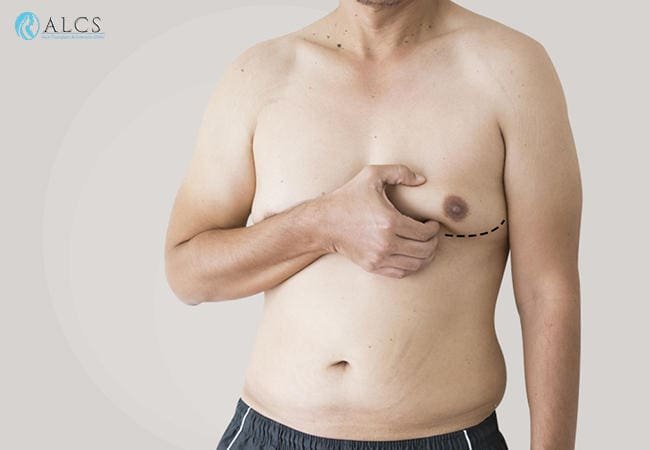
Gynecomastia is a condition of abnormal enlargement of breasts in males. Some people may even refer to it as ‘male-boobs’. Gynecomastia is most commonly observed in young males between 20 to 30 years of age. In most cases, it is seen as an embarrassing male problem that affects the confidence of a man and leads to lower self-esteem. It is often seen that men with gynecomastia usually avoid activities like swimming or changing their clothes in front of others due to embarrassment and the fear of being ridiculed.
Causes of Gynecomastia
There can be several causes of gynecomastia. Some of the most common causes are:
–Pubertal Male Breast Enlargement or Pubertal Gynecomastia: A hormonal imbalance between the male sex hormones (testosterone) and the female sex hormones (estrogen) can lead to enlarged breasts in males. Most of such cases are found during adolescence years and no particular cause can be found for the same. In cases of Pubertal Gynecomastia, the hormone levels are generally found to be normal and the enlarged breast appearance may be due to the difference in the sensitivity of the circulating hormones. –Use of Steroids: Youngsters are known to resort to all kinds of means to achieve a six-pack body and a fit physique. Most often then not they resort to taking certain nutritional supplements with steroids to quickly achieve that desired body. These steroids lead to the inhibition of the testosterone (male sex hormone) hormone levels in the body, leading to an imbalance between the male sex hormone (testosterone) and the female sex hormone (estrogen). Due to an increase in the activity of the estrogen hormone, there is an enlargement in the size of the male breasts. –Obesity: Obesity in males can also lead to gynecomastia. In obese people, there is an increase in the activity of certain body enzymes known as aromatase. This enzyme causes the conversion of the testosterone (or androgen) hormones to estrogen hormones by a process known as aromatization. Since estrogen hormones are female sex hormones, they cause breast enlargement in males. –Prolonged use of certain medications: Certain drugs like the antacids and the antiepileptic drugs when taken for a prolonged duration can lead to gynecomastia. -Other causes of gynecomastia may include hypothyroidism, hypogonadism, and testicular tumors. If only one male breast is involved and the lump is hard, gynecomastia may be malignant. But, this is usually a rare occurrence.
Treatment for Gynecomastia
Gynecomastia surgery is the best form of treatment for enlarged male breasts, provided that there is no other pathology found. A combination treatment using advanced ultrasonic liposuction and a minimal scar gland excision is found to yield excellent results and a quick recovery in most cases. Since these are minimally invasive procedures, recovery is quick and scar marks are rarely left behind post-recovery.
In patients having extremely large breasts, that is, a good amount of glandular and fatty tissue and skin on the breast, an open surgical mastectomy, and a skin resection procedure is required. Recovery in such cases takes a slightly longer time. The use of modern equipment and technology has made the process of gynecomastia surgery quick and the results are promising, and with no scar marks or minimal, almost invisible scar marks seen post-recovery this procedure has become extremely popular. The success rate of gynecomastia surgery is generally known to be very good. Increased awareness of gynecomastia being a treatable condition leaving behind inconspicuous scar marks after the surgery has made this surgery one of the most popular and promising types of cosmetic surgery, which not only enhances the appearance of a person but improves the overall personality and self-confidence in a man. The ALCS clinic in Jaipur is one of the best cosmetic clinics in the country. We are equipped with the latest technology and equipment to provide you with minimally invasive gynecomastia surgery.
Our cosmetic surgeon, Dr. Sunil Arora, is a renowned cosmetic surgeon with many years of experience. He has performed several successful gynecomastia surgery procedures with good results and quick recovery time. If you are looking to undergo gynecomastia surgery book an appointment with ALCS clinic, Jaipur today.
Hair fall is a natural phenomenon, and in general, it is estimated that losing 100 hair strands a day is considered as something common. But if you experience more than the average hair fall limit a day, then that might be an indication of something serious, and you need to take a look at the underlying causes. Now there are tons of factors that can contribute to hair falls like hormonal imbalances, hereditary issues, the side effect of medications, stress and unhealthy lifestyle. Yes, an unhealthy lifestyle can be one of the primary reasons that can result in excessive hair fall. Now that you already know who the real culprit is, it’s time that you start doing things that can help to resolve your hair fall condition. Here in this article, we will be discussing some easy lifestyle changes that can help to reduce hair fall.
Hot water showers– Most of us love taking a hot water bath especially in winters, but least did we know that taking a shower in hot water can actually dehydrate your hair strands and might even make them dry, brittle and more prone to breakage. This happens because frequent showers generally wipe out the natural oils from the scalp and washing with hot water speeds up this entire process.
Tight hairstyles- Ever heard of the word traction alopecia? Well, this happens when people frequently wear tight hairstyles like ponytails, braids and weaves for a long time. The excessive hair pulling caused ultimately damages the hair roots. So the more the stress applied on your hair, higher is the possibility for you to lose more hair strands.
Skipping meals- Well, skipping meals is exceptionally harmful to your hair health because when you are skipping meals, your body lacks some of the vital nutrients and minerals, which is essential for healthy hair growth. Additionally, it is also necessary to maintain a balanced diet because even a deficiency of a single nutrient or mineral is enough to trigger untimely hair fall.
Using the wrong shampoo- Did you know your shampoo can take a toll of your hair? All types of chemical-based shampoos must be avoided entirely, and that must be substituted with some herbal or organic products. Use of harsh chemical-based shampoos on your hair can wash off all the oily substances from your scalp and can make your scalp dry, which is considered essential for healthy hair growth. So, you must be very careful while choosing a shampoo.
Physical exercise- You will be happy to know that regular exercise will help in regulating an everyday body task and will maintain an average blood circulation that, in turn, plays a vital role in hair growth. Some specific head exercises are suggested to promote better blood circulation so that people can relish better hair growth.
Extreme stress- Every other individual has to deal with stress at some point in their lives, and you probably know how stress can adversely impact your health and hair. A person who has been dealing with a lot of stress might experience an increase in the level of stress hormones which leads to hair loss condition.
Excessive smoking and alcohol consumption– We all know smoking cigarettes, and excessive alcohol consumption can be injurious to your health. But these can also affect the blood circulation and prevents the flow of oxygen to different parts of the body that results in hair loss.
Hair oiling– An excellent oil massage on the scalp can noticeably improve blood circulation and will also help to nourish the roots. So to promote significant hair growth, it is important to massage your scalp with oil and then cover it with a shower cap. After a few hours, you can wash off your hair thoroughly with some mild organic shampoo.
Now that you are already aware of the possible lifestyle changes to improve your hair health try them out. If you find noticeable changes with your hair loss condition, then you are good to go. But if your situation worsens day by day then probably seeking professional help is a good idea. In that case, you can seek a free consultation at our ALCS clinic, Jaipur, where you will be able to get in touch with one of the most experienced surgeons like Dr Sunil Arora who will provide you with complete guidance about your condition
A hair transplant is often seen as the final step in restoring confidence and improving appearance. Many people expect instant results once the procedure is done, so it can feel worrying when the transplanted hair starts falling out soon after surgery. This stage often causes unnecessary stress because patients assume the transplant has failed.
In reality, some amount of hair shedding after a transplant is completely normal and expected. The scalp and hair follicles need time to recover and adjust to their new position. This temporary phase is part of the natural healing process. Patients can be worry-free and concentrate on long-term outcomes by understanding what is normal and what could require medical treatment.
Is Hair Loss After a Hair Transplant Normal?
Yes, some hair loss after a hair transplant is normal. This temporary shedding is called shock loss. It usually happens within the first few weeks after surgery and can surprise many patients.
Shock loss means the hair shaft falls out but the follicle stays alive under the skin. The transplanted follicles enter a resting phase before they begin growing again. This is not the same as permanent hair loss.
Most patients notice shedding between 2 to 4 weeks after the procedure and new growth often starts around 3 to 4 months later. Full visible improvement usually takes 9 to 12 months and sometimes longer depending on the treatment area.
It is important to set expectations early. Hair transplantation is a gradual process. Patients should not judge results too soon because early shedding is usually part of successful healing.
Why Hair Sheds After a Hair Transplant?
Hair sheds after a transplant because the normal hair growth cycle gets temporarily disrupted.
Every hair follicle goes through growth resting and shedding phases. During a transplant, the follicles experience surgical stress when they are removed and implanted into a new area. This stress pushes many follicles into the resting phase known as telogen.
As a result, the visible hair falls out while the root stays healthy under the scalp. The follicle then prepares for a new growth cycle. This is why shedding soon after surgery does not usually mean the graft has failed.
Hair Growth Timeline After a Hair Transplant
Although everyone experiences symptoms differently, but the general flow of hair growth may follow this timeline:
Week 1 to 3: Healing and Shedding
During the first week, the scalp may look red and slightly swollen. Small scabs form around the transplanted grafts and begin to clear within 7 to 14 days.
By the second or third week, shock loss may begin. Patients often notice the transplanted hairs falling out. This can feel alarming but it is a common part of recovery.
Month 1 to 3: Dormant Phase
This stage requires patience. Most of the transplanted hairs have shed and the scalp may look similar to how it did before surgery.
Even though there is little visible change, the follicles are still active under the skin. They are healing and preparing for new growth.
Month 3 to 6: Early Growth
Around the third or fourth month, new hair usually starts to appear. These new hairs may look thin, light or uneven at first.
This is normal. Hair texture and thickness improve gradually over time as the follicles become stronger.
Month 6 to 12: Visible Results
Between six and twelve months, patients begin to see clear improvement in density and coverage. The hairline starts to look fuller and more natural.
For crown areas, final results may take a little longer. Most surgeons advise waiting at least one year before judging the final outcome.
How to Reduce Hair Loss and Support Regrowth
Simple habits during the first two weeks can make a big difference in graft survival, for instance:
Proper Post-Transplant Care
Following aftercare instructions is one of the best ways to protect transplanted grafts.
Patients should avoid touching, scratching or rubbing the scalp during the first few days.
Sleeping with the head slightly elevated helps reduce swelling.
Heavy exercise, direct sun exposure and excessive sweating should also be avoided during early recovery.
Gentle washing should begin only when advised by the doctor.
Pulling at scabs or washing too aggressively can disturb healing.
Medications That Improve Hair Retention
Some doctors recommend medications to support existing hair and improve long-term retention.
Topical Minoxidil may help improve blood flow to the scalp and support regrowth. In some cases oral Finasteride may be advised for men with pattern hair loss to reduce ongoing thinning.
These medicines do not replace the transplant but they can protect surrounding natural hair and improve overall density. Patients should only use them under medical guidance because not every treatment suits every person.
Nutrition and Scalp Care
Healthy hair growth also depends on overall health, some useful tips include:
A balanced diet rich in protein iron zinc and vitamins supports healing and follicle strength. Poor nutrition can slow recovery and affect hair quality.
Staying hydrated and keeping the scalp clean also helps. Smoking and heavy alcohol use should be limited because both can affect blood supply and healing.
Good scalp care supports better long-term results after surgery.
Modern Techniques That Improve Hair Survival
Some advanced techniques popularly being used for improving hair survival include:
In this technique, the surgeon uses a special implanter pen to place follicles directly into the scalp. This allows better control over angle depth and direction.
Because graft handling is reduced, some clinics believe DHI may improve graft survival and create a more natural-looking result. It can be especially useful for hairline design.
However, success still depends more on the surgeon’s skill and patient care than the method alone.
A small blood sample is processed to separate growth factor-rich plasma, which is then injected into the scalp. Some doctors use PRP after transplantation to support recovery and strengthen follicles. PRP is often used as an additional treatment rather than a replacement for surgery. It may help improve scalp health and support early regrowth in selected patients.
Not all shedding is normal. Sometimes hair loss may suggest poor graft survival or another issue. Warning signs include continued redness, swelling pain or discharge from the scalp after the early healing phase. These may point to infection or inflammation.
If large bald patches remain after several months with no signs of regrowth, the grafts may not be surviving as expected. Severe shedding outside the transplant area or shedding that continues far beyond the usual recovery period should also be checked.
Patients should contact their doctor if they feel the recovery does not match the expected timeline. Early review can help prevent bigger problems.
Hair shedding after a transplant is often temporary and usually part of normal healing. Shock loss can be frustrating but it does not mean the transplant has failed. The key is patience. New growth takes time and final results may take up to a year or more.
Following aftercare instructions using doctor-recommended treatments and maintaining good scalp health all improve the chances of success. Modern techniques like DHI and supportive options like PRP can also help but long-term results depend on consistent care and realistic expectations. A successful transplant is not judged in the first month. It is judged by healthy steady growth over time.
Frequently Asked Questions
Is it normal for transplanted hair to fall out after surgery?
Yes, it is normal. This is called shock loss and usually happens within the first few weeks. The hair shaft falls out but the follicle remains alive and can grow new hair later.
How long does shock loss last?
Shock loss usually starts around 2 to 4 weeks after surgery and may continue for several weeks. Most patients begin seeing new growth around 3 to 4 months.
When does new hair start growing after a transplant?
New hair often starts appearing around the third or fourth month. Early growth may look thin or uneven at first but improves over time.
Can transplanted hair fail to grow?
Yes, in some cases grafts may not survive due to poor healing infection, smoking or not following aftercare advice. This is why regular follow-up with the doctor is important.
How can I improve hair growth after a transplant?
Follow post-operative instructions carefully, eat a balanced diet, avoid smoking and ask your doctor about treatments like Minoxidil or PRP therapy if needed.
Are newer techniques better for preventing hair loss?
Newer methods like DHI may improve graft placement and handling which can support better survival. Still, the experience of the surgeon and proper aftercare matter just as much.
If you are suffering from hair loss and now in search of a permanent remedy that can put an end to this trouble, then you are in the right place.
Under such circumstances, the first thing that you must do is get in touch with an experienced hair surgeon who will be able to suggest the best treatment option. In general, there is only one option that helps to address any balding condition, and that is a hair transplant procedure.
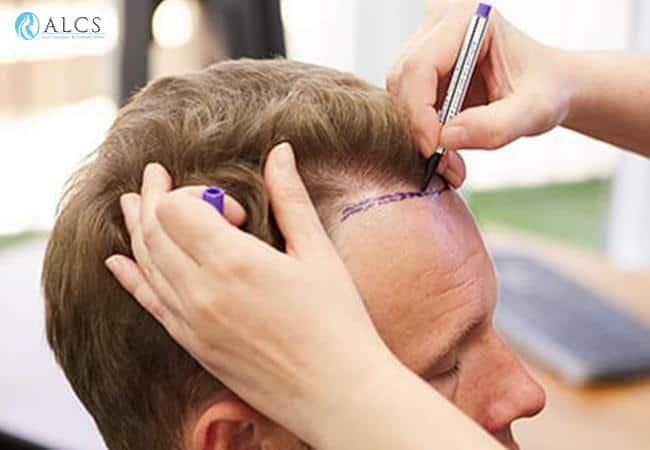
A hair transplant is a minimally invasive surgical method that involves extracting hair follicles from the donor area of the scalp and then implanting those hair follicles to the recipient area of the scalp to achieve the most desirable natural appearing result.
The best part about undergoing this procedure is it involves a short recovery time and least complications only if you strictly adhere to the post-op instructions that are provided by your surgeon.
Even though there are minimal chances of infections, but one should not completely overlook the possibilities of risks that are associated with this surgical process as that can significantly impact the outcome of the surgery.
Immediately after undergoing the procedure, the surgeons generally provide their patients with a post-op instruction that must be followed strictly to avoid the chances of any infections.
Additionally, during the recovery period, the hair surgeon mostly prescribes some antibiotics and painkillers to reduce the chances of infection and pain. Mentioned below are some easy tricks that can help you ditch infections after undergoing hair transplant surgery.
Refraining from exercises- During the recovery time, one should altogether avoid participating in any strenuous activities like sports, weightlifting for at least a few days or until your surgeon allows you. So patients must avoid strenuous activities during this time as that results in excessive sweating, making it a suitable environment for bacteria’s and viruses to prolifer in the treated area. Therefore, this can increase the chances of infection and may also give rise to some undesirable complications that may affect the final result.
Taking the prescribed medicines regularly- As you know, after undergoing this surgical procedure, surgeons generally prescribe some medications for pain and antibiotics to reduce the chances of any infection. So patients need to complete the full medicine course as that will help to recover quickly and safely.
Avoid scratching the treated area- When the transplanted area starts to heal, some crusts and scabs tend to develop on the treated area. Now, this scabbing or crusting will give rise to itchiness on the scalp, and you may have an urge to scratch your scalp. But you must necessarily refrain from rubbing your scalp and especially the wounds as that will not only increase the chances of infection but may also dislodge the transplanted hair follicles.
Wash your scalp regularly- Even though the patients are not allowed to wash their hair immediately after undergoing the process. But after 3 to 4 days, they can be taking a regular bath to maintain hygiene and to keep the scalp free from dirt or dandruff. Most of the patients are provided with a prescribed medicated shampoo that they must start using after two weeks of the surgery.
Maintaining cleanliness- Cleanliness is an essential factor to avoid the risks of any infection, especially after undergoing hair transplant surgery. During the recovery period, the patients must make sure that they do not touch their scalp with dirty hands as that can lead to a complicated situation.
Being watchful- While recovering from a hair transplant, it is crucial to monitor your progress very carefully, and you must also inspect the treatment site daily. If you feel some mild infirmities like pain, redness, then be sure that those are temporary side effects and will disappear within a few days. But if these conditions persist, then you must consult with your surgeon immediately.
If you think, these tips were helpful for you, and you want to gather more information about hair transplant surgery, then you may consider booking an initial consultation at ALCS, Jaipur.
Here you will be able to talk with Dr Sunil Arora, one of the leading hair surgeons of the city who will provide you with the best suggestions regarding your hair loss condition and the best treatment approach for you.
Hair loss is a prevalent issue that has affected almost every single person irrespective of their age and gender, which can ultimately lead to hair thinning or balding condition.
If you have a desire to get rid of this condition, then seeking the right hair transplant approach can add fullness to your hair.
Hair transplant is one of the most influential and popular surgical procedure that can help to restore hair and delivers the most natural outcome.
Before commencing this surgical procedure, the surgeon first administers some amount of local anaesthesia to ensure that the patients do not feel any significant pain or discomfort and then starts extricating hair follicles are from the back and sides of the scalp.
These extracted hair follicles are finally very carefully implanted to the balding or recipient area of the scalp. Even though most of the people consider hair transplant as the most effective treatment for baldness, but least did people knew this procedure could also be used to increase the fullness of their hair.
Increase the hair density through hair transplant- is it feasible?
The most advanced hair transplant procedure involves implanting the grafts closer to each other than it could have been possible earlier.
To achieve an increased hair density, most of the surgeon grafts hair follicles within varied density depending on the patient’s requirement, that extends within 20 to 60 follicular units per centimeter square.
When the hair follicles are transplanted closer to each other, it delivers a fuller hair appearance due to the significant increase in hair volume.
However, in some cases, closely implanted hair follicles can impact the growth rate of the transplanted hair. So, the most suitable density of hair grafts can only be assessed by an experienced surgeon without affecting the growth of the transplanted hair follicles.
How is hair density increased with a hair transplant?
The hair transplant procedure for increasing the density of hair is similar to that used for covering up baldness, and the process entails extracting individual hair follicles from the donor area of the scalp.
Since this process requires fewer number of hair follicles, so the entire extraction process is performed manually in an FUE technique by making several tiny incisions. Typically when FUE is performed, the surgeon shaves the donor area to extract the hair follicles.
But, in this case, the surgeon does not shave the site of extraction or implantation to give a much more natural look to it. As a result, it becomes difficult for people to identify whether they have had a hair transplant or it’s their natural hair density.
However, it is essential to experience such surgical procedure under the guidance of an experienced hair surgeon like Dr Sunil Arora of our ALCS Clinic because he knows, each case is different.
So to achieve the best result, he develops a customised treatment plan based on individual requirement.
How effective is the outcome?
Before even deciding to undergo a hair transplant procedure, it is imperative to maintain a realistic expectation from the process as this does not produce an instant result. But once the hair starts to grow, it develops just like permanent existing normal hair.
However, during the recovery period, most of the patients will experience some transplanted hair to shed, which might seem disappointing, but this will be followed by the growth of the newly transplanted hair follicles.
Are you suitable for this procedure?
Not everyone is considered eligible for undergoing a hair transplant for hair thinning condition. People who are in an excellent health condition, with no severe ailments and are not suffering from a persistent hair loss condition are considered ideal for experiencing this procedure.
However, if you wonder if you are eligible for undergoing a hair transplant procedure or not, it is highly recommended to get in touch with an experienced hair surgeon who can guide you based on your condition.
So if you are suffering from hair thinning and willing to experience a hair transplant procedure, then its time for you may consider seeking an initial consultation at our ALCS clinic.
Our most proficient surgeon Dr Sunil Arora will provide you with the best treatment approach that will be ideal for your condition.
Recently, several stat reports declared that there had been a spike rise in the number of men who are opting for a hair transplant surgery to get relieved of their critical balding situation.
So such people who have been dealing with hair loss or hair thinning condition can choose to experience a hair transplant surgery that can help them restore hair for their balding condition. Well, hair transplant was not very popular initially, and only the top celebs were seen to undergo this process.
However, with the growing demand of this surgical process and its affordability, hair transplant is now one of the most popular surgeries that can help to restore their hair thinning or balding condition.
Advancement of the hair transplant procedure
If you take a peep at the history of the hair transplant procedure, you will find this process has evolved over the years and is now of the most popular hair restoration techniques.
The popularity of hair restoration method is only because of the advancements in technology that the procedure had undergone. Also because now, undergoing a hair transplant process has now become a lot easier, affordable and hassle-free than it was before.
At ALCS Jaipur clinic, we will provide you with the right and customized guidance that can help you to cure baldness or hair thinning condition in a mild or moderate state.
Most of the hair transplant techniques are performed under local anaesthesia to ensure that the patients feel comfortable while undergoing the surgical procedure. However, the two most popular hair transplant methods are-
Follicular Unit Transplant– In this FUT procedure, the surgeon first identifies the donor area of the scalp and then extracts a strip of skin and then closes the incision at the donor site. Next, this strip of skin is divided into smaller follicular units and finally transplanted to the donor area of the scalp.
Follicular Unit Extraction– In the FUE hair transplant process, singular follicular units are extracted from the donor area by utilizing punching equipment. Finally, these extracted hair follicles are carefully grafted to the balding area of the scalp.
Latest hair transplant techniques
Most of the latest hair transplant techniques are incredibly useful and involves minimal discomfort and downtime that helps to deliver the most natural appearance.
Robotic hair transplant– This is an advanced hair transplant procedure that is performed similarly to that of the FUE hair transplant process. The Robotic hair transplant involves automatic extraction of the hair follicles from the donor area.
Not just extraction, but the robotic arm is also capable of selecting the donor site to execute a successful hair transplant procedure. It facilitates a very safe and painless extraction method without causing any damage to any of the extracted hair follicles.
However, to ensure the proper functioning of this robotic arm, it needs to be programmed by an efficient hair surgeon.
Stem cell hair transplant- The stem cell technique is another most effective advanced FUE hair transplant method that involves extracting just a small piece of skin from the donor area that involves minimum significant scarring and least pain.
Finally, the hair follicles are carefully separated from the skin strip and then cultured in a laboratory environment to promote the growth of new hair follicles which are implanted to the recipient or balding area of the scalp. With the advent of such hair transplant technique, even people with limited donor hair can achieve their desired outcome.
Most natural-appearing result and minimum downtime
There is no doubt that hair transplant provides the most natural appearance, but for that, it is essential to get in touch with a skilled and proficient hair transplant surgeon like Dr Sunil Arora from ALCS, Jaipur.
It is only a professional and an experienced surgeon who can help you to accomplish the most desirable and natural hairline which cannot be distinguished from the existing hairline.
Since hair transplant is the least invasive procedure, so people can resume their normal activities within a few days after undergoing a hair transplant process. Additionally, it is essential to follow instructions that are provided by your surgeon to ensure a fast and safe recovery.
So if you feel inspired in experiencing a successful hair transplant process, then don’t hesitate to seek your appointment here at ALCS.
Gynecomastia is such a condition that involves the enlargement of the glandular breast tissues in boys or men caused by an imbalance of the hormones estrogen and testosterone. This is such a condition that can affect men of any age.
Gynecomastia is a prevalent condition for teenagers who are passing through their puberty. However, this condition resolves on its own by the time they reach the age of 21.
Adult males who have been suffering from Gynecomastia are rarely able to get rid of this condition independently. In most cases, dieting, medications, and work out may not even work.
One of the leading causes of gynecomastia are hormonal imbalances, steroids, use of marijuana, or some types of medication may not be enough. The worst part is, gynecomastia can affect only one or both the breast, and sometimes it may even end up being uneven.
Most adult men who have been suffering from gynecomastia end up feeling helpless about their condition and seek professional help to get rid of their condition.
Generally, gynecomastia is not a severe condition, but it may give rise to some psychological condition. People who cannot get rid of their condition may need to take medication or may also need to undergo a surgical process.
Men mostly suffer from two types of enlarged breast conditions; one occurs due to fatty tissues, which may improve weight loss and even exercise.
However, people suffering from actual gynecomastia mostly find excess fibrous breast tissues, which will not improve with exercise or diet. The only way to get rid of this condition is by undergoing a surgical process.
Still, before deciding to undergo a surgical process, it is essential to get in touch with an experienced professional. In this surgical procedure, the surgeon will not only get rid of all the extra glandular breast tissues, but they will also remove the extra fat content through liposuction.
Exploring your surgical options
Option 1- Liposuction
Liposuction is a straightforward procedure that involves the least recovery time as the doctors usually make a small incision in the chest area. Then the doctor inserts a small cannula within the liquefied fat deposit, which is suctioned out of the body. People who have been suffering from pseudo-gynecomastia (breast enlargement due to fatty tissues) get benefited by this procedure.
Option 2- Surgical Excision
Men who have been suffering from severe gynecomastia cases will need to undergo a complete breast reduction process through tissue extraction and skin removal. In this process, the surgeon first cuts out an incision around the areola and surgically excised out some of the glandular breast tissues, fat and even some skin to deliver a contoured chest.
How to treat Gynecomastia?
People suffering from persistent Gynecomastia need to undergo a breast reduction surgery that is a proven method for permanently getting rid of the enlarged male breast.
Various techniques are used to address different types of gynecomastia, and some of them are mentioned below-
Type 1– When men consist of excess breast tissue under the nipple or the areolar region, the lateral fold in the chest becomes tight and straight.
Type 2– Extension of the breast tissues over the chest fold where the lateral chest fold is tight and rounded.
Type 3– Breast tissue extends into the axilla, and the lateral chest fold starts to sag horizontally.
Type 4– The breast tissue extends up to the axilla where the lateral chest fold ends up being a small breast roll in the armpit.
Type 5– The breast tissue extends in the axilla
Causes of gynecomastia
There are tons of speculations that may trigger gynecomastia, and some of the most common ones include hormonal imbalance where too much estrogen is produced.
This is a prevalent condition for adolescents, and that can smoothly go away within a couple of years. However, there are also some other additional causes of gynecomastia, and they are-
Presence of excess body fat
Anabolic steroid usage
Use of excessive marijuana
An unavoidable side effect of medication
Some medical conditions
Speak with Dr Sunil Arora
If you have been enduring constant embarrassment and hiding within baggy clothing, you must know that Gynecomastia is a treatable condition.
You may seek an initial consultation at our ALCS clinic with our proficient Dr Sunil Arora, who holds several years of experience in this field. Book your appointment today.